2026 SIPAC M&A Roadshow Concludes in Shanghai
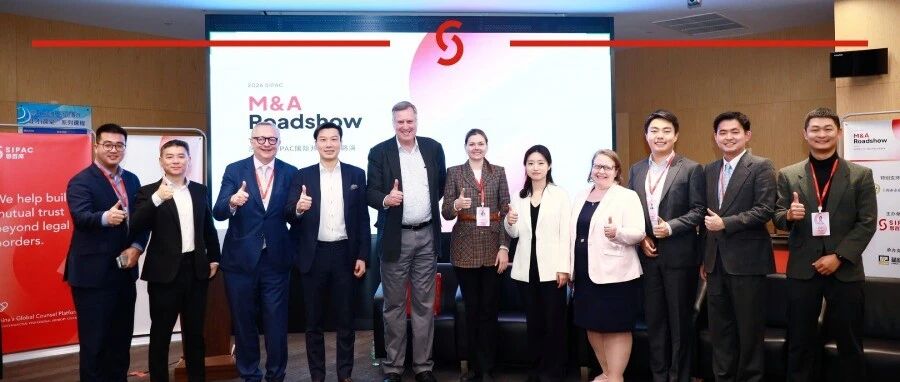
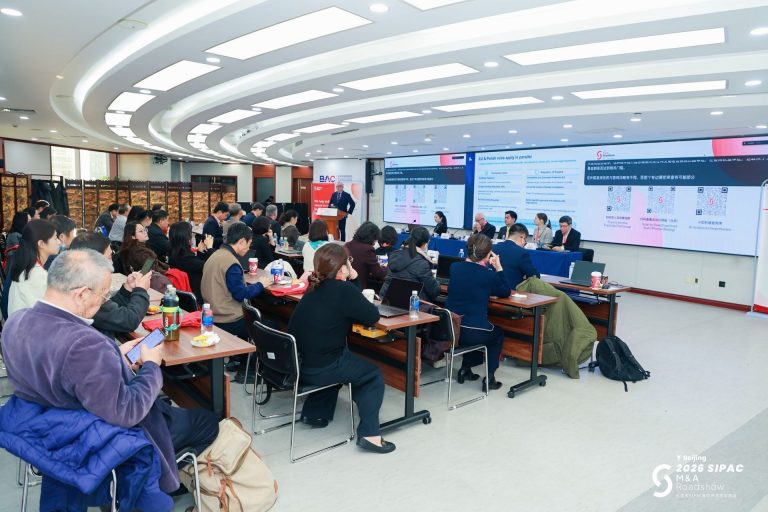
On the afternoon of November 11, the Shanghai seminar of the 2026 SIPAC M&A Roadshow took place at the Shanghai Magnolia Plaza. Lawyers from SIPAC member firms in eight countries — Germany, the Netherlands, the Czech Republic, Hungary, Poland, Kazakhstan, Thailand and Chile — joined corporate investment, legal and compliance professionals and fellow lawyers to continue the discussion on two themes: M&A due diligence in practice and regulatory review of cross-border M&A.
With Shanghai, both legs of the roadshow — Beijing and Shanghai — have now concluded.
01Opening remarks
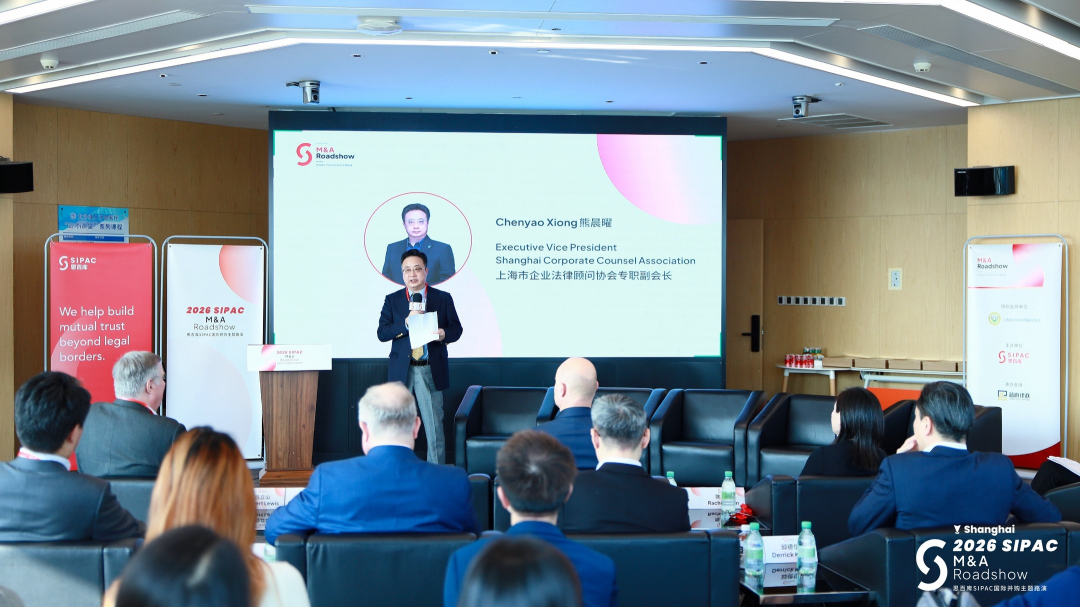
Xiong Chenyao, Executive Vice President of the Shanghai Corporate Counsel Association (SCCA), welcomed guests on behalf of the association. Cross-border deals most often go wrong before signing, he said: many fail not on commercial logic but because no one drew a regulatory map in advance — and the value of in-house counsel is shifting from “handling disputes afterwards” to “designing the deal beforehand”. His three suggestions to companies: do the work before the decision, draw the regulatory map early, and build professional relationships before you need them.
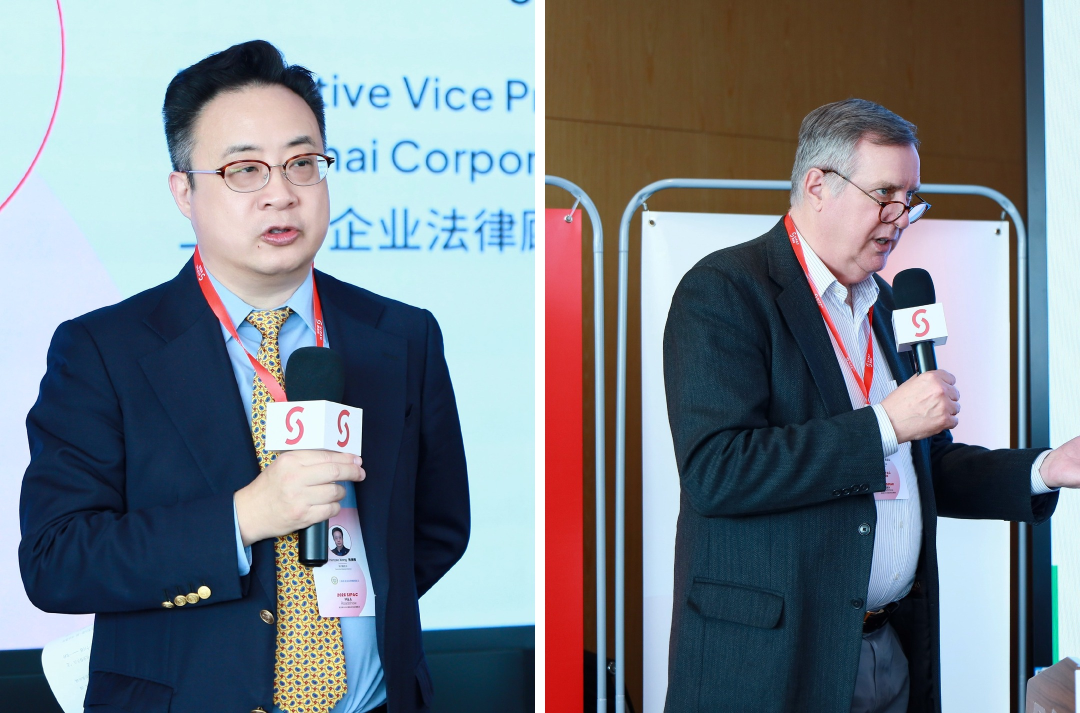
SIPAC Chairman Robert Lewis, an international M&A expert, then gave the opening remarks, welcoming guests and introducing the program.
02Panel 1: Cross-border M&A due diligence in practice
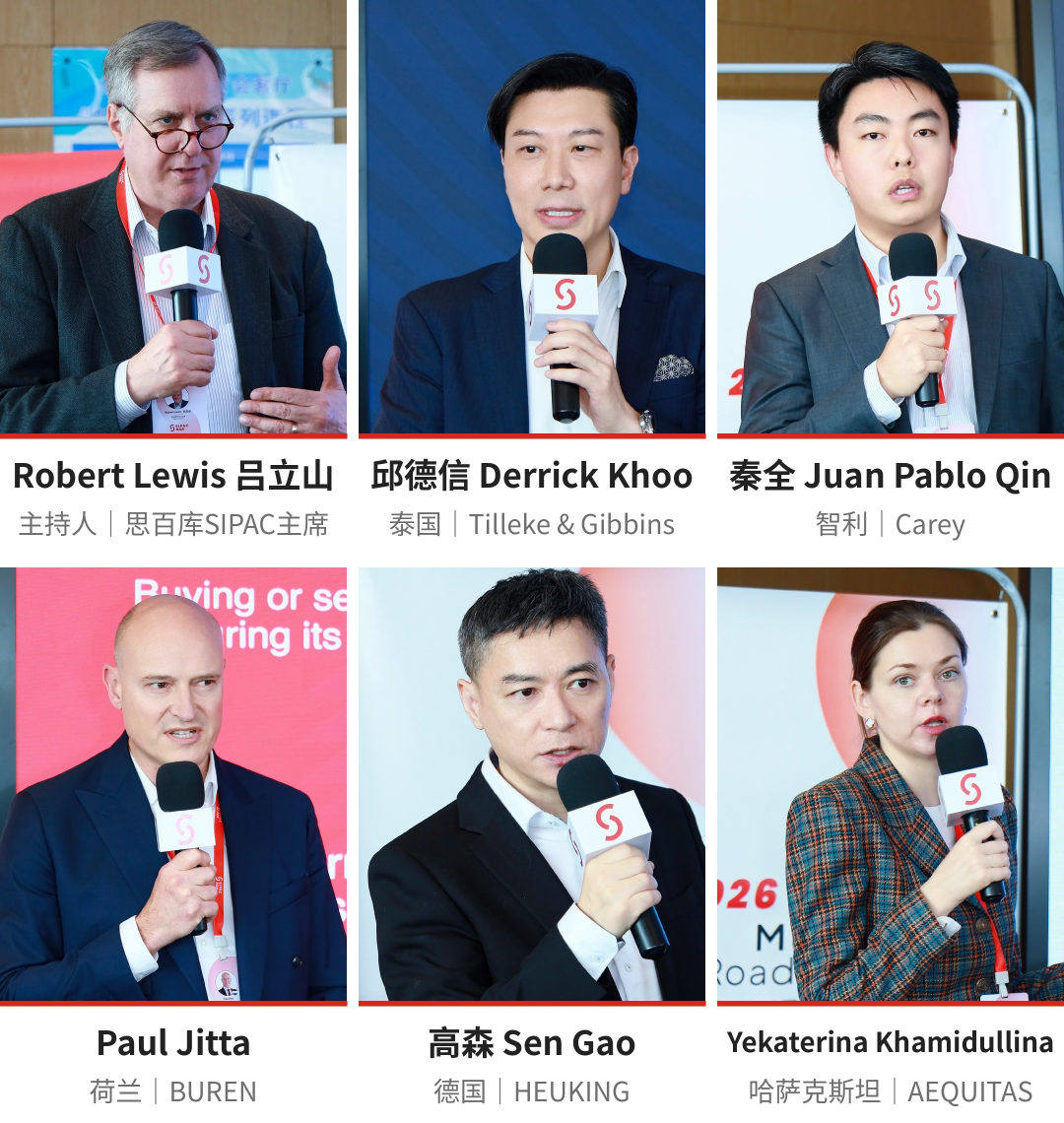
Moderated by Robert Lewis, five panelists drew on cases from their jurisdictions to explain why due diligence cannot be rushed and which details are most often overlooked.
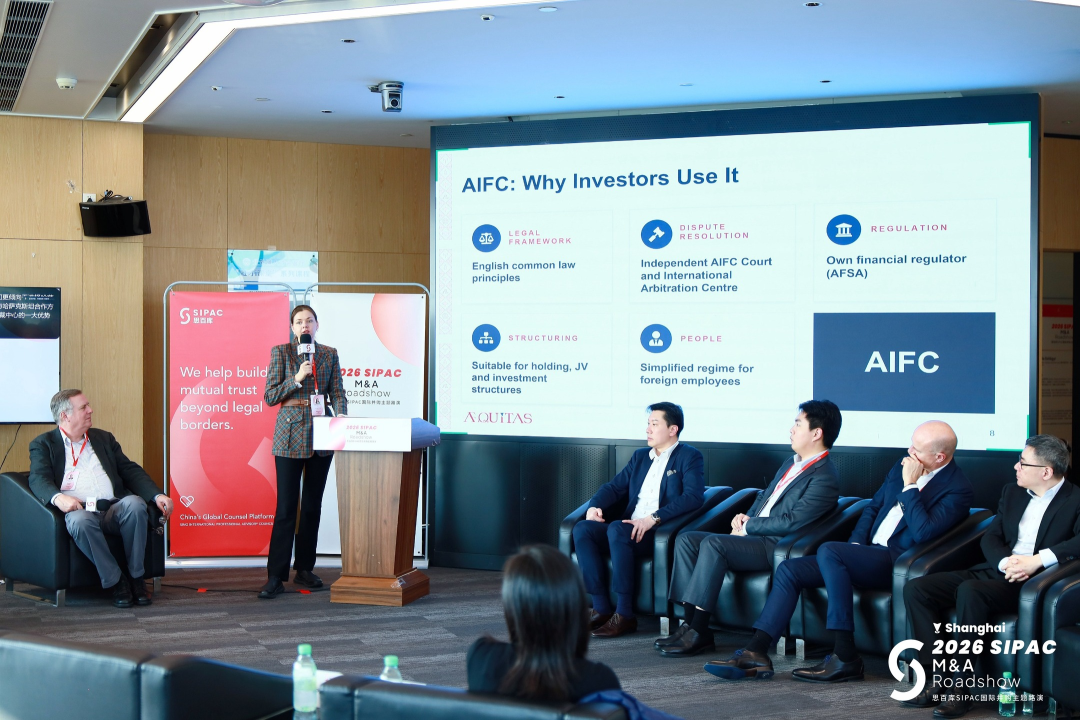
▍Thailand | Derrick Khoo: Small issues, big costs. An industrial plot zoned for a use that did not match the investor’s production needs; a subsidiary dormant for years that had never met its tax and filing obligations. Neither problem is complicated, but fixing them afterwards can take months and even delay an IPO. Allow enough time for due diligence, he advised, and share the deal background fully with local counsel.
▍Chile | Juan Pablo Qin: Government certificates only prove the position “at the date of issue”. Much company information in Chile is not public, and official certificates only reflect the position on the day they are issued — which may not match the property register. Resource rights such as water rights need to be checked one by one. He also advised clarifying the authorization chain of the local company, and not setting up a subsidiary in an individual’s name just to save time.
▍Netherlands | Paul Jitta: Five details that are often missed. Paul Jitta, Managing Partner of BUREN, shared findings from Dutch deals: change-of-control clauses in key contracts, restrictions on share transfers or pledges in the articles of association, “self-employed” arrangements that are really employment, ownership of intellectual property, and landlord consent requirements in leases. Most of these can be fixed — the key is to find them early. BUREN partner Rachel Chen also attended.
▍Germany | Sen Gao: Due diligence is the basis for negotiation and insurance. Buying a company in Germany is like buying a used car: if you don’t check it properly, the problems are yours. Without thorough due diligence it is hard to draft a targeted share purchase agreement, and harder to obtain M&A insurance cover.
▍Kazakhstan | Yekaterina Khamidullina: Plan the practical steps early. Beyond the usual focus on corporate matters, licenses, land, tax, employment and contracts, foreign directors usually need to travel to Kazakhstan in person to obtain an individual identification number and electronic signature, and opening a bank account also requires a signature in person. She also introduced the Astana International Financial Centre (AIFC), which applies English common law principles, and the special legal regime for Alatau City established this year by a dedicated constitutional law.
The panel discussion turned to AI in due diligence. AI can help companies get an initial picture and work faster, the panelists agreed, but in many jurisdictions court judgments and registry records are not fully online, some historical records are still handwritten, and translation errors can change key meanings — so much of the checking still has to be done in person by local lawyers at government offices and courts. Their shared view: AI does not know everything; you need to be an expert first to use it well.
03Panel 2: Regulatory review of cross-border M&A
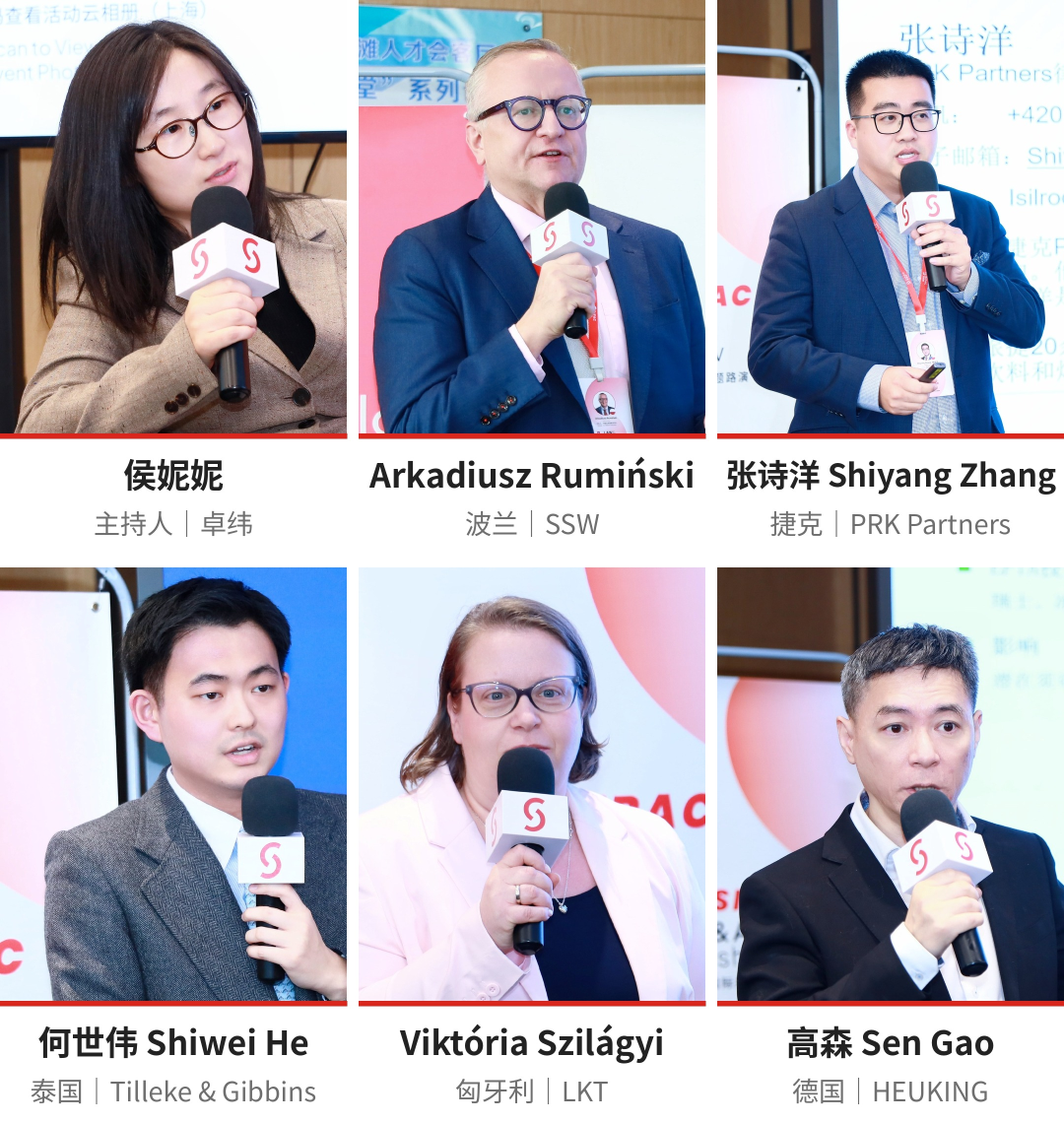
Moderated by Hou Nini, Partner in the Shanghai office of Joint-Win Partners, this panel looked at merger control and foreign investment screening in practice across jurisdictions.
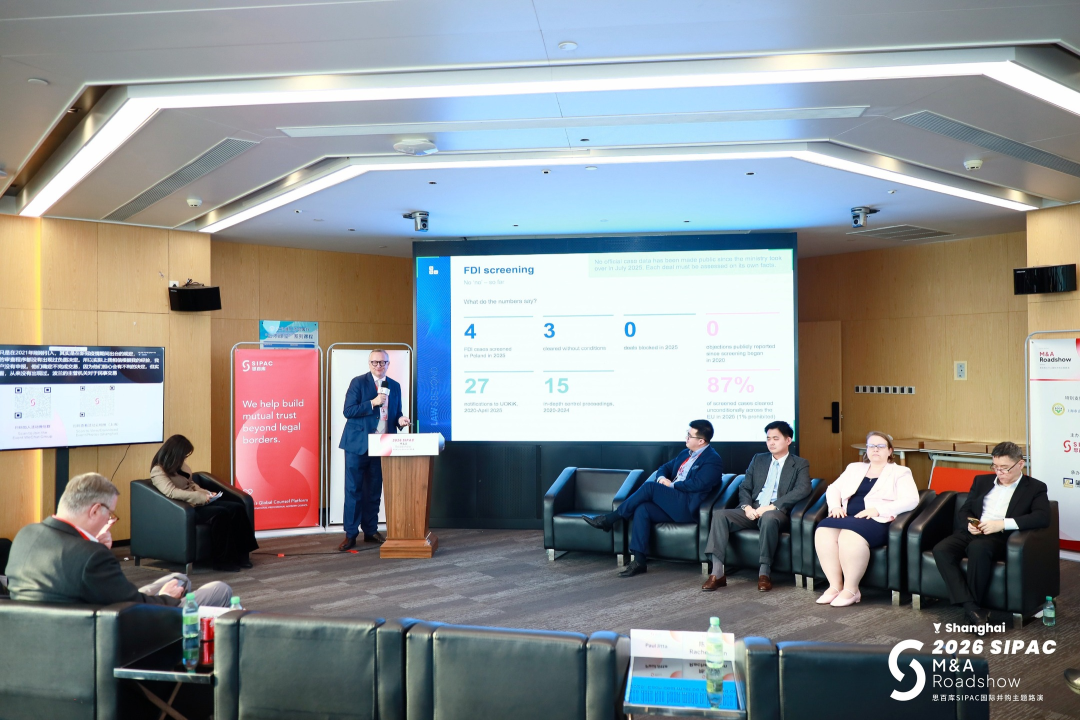
▍Poland | Arkadiusz Rumiński: Don’t miss “indirect acquisitions”. Poland’s competition authority tends to carry out detailed market inquiries and often asks follow-up questions even when a filing is complete, so allow time. Foreign investment screening is easier to overlook: even where a deal takes place abroad and only a holding company is acquired, a filing in Poland may be required, and the consequences of not filing are serious. Post-closing integration should also be assessed for cybersecurity, data transfers, public procurement eligibility and supply chains.
▍Czech Republic | Shiyang Zhang: Screening looks at “control”, not just “acquisition”. The Czech foreign investment screening regime has applied since 2021. Besides mandatory review, the authority can open a review on its own initiative for up to five years after closing. To remove uncertainty, investors can request a consultation; if the authority confirms within 45 days that it has no security concerns, it will not open a review later. A case involving satellite ground communications equipment showed that gaining effective control over domestic assets can fall within the regime even without any share acquisition.
▍Thailand | Shiwei He: Existing licenses do not carry over automatically. A company with 50% foreign ownership is treated as a foreign company, and the target’s existing business licenses do not automatically continue to apply. Investors should choose early between a Foreign Business License (FBL), BOI promotion and the IEAT route; approvals usually take four to six months, and fixing things afterwards costs both time and money.
▍Hungary | Viktória Szilágyi: Several regimes, each assessed separately. Hungary’s merger control and its two foreign investment screening regimes are independent of each other, cannot replace one another, and require different information. The filing threshold of about EUR 1 million often quoted online is not accurate — in many cases there is no monetary threshold at all. Citing a Hungarian case decided by the Court of Justice of the EU, she noted that member states cannot use foreign investment screening to restrict deals arbitrarily. In a small country like Hungary, engaging with the local community also affects how a project progresses.
▍Germany | Sen Gao: Understand the logic behind the rules. He outlined changes in Germany’s new draft investment screening law and noted that statutory review periods are often extended in practice and that the criteria for protected sectors are very detailed. In his view, screening is only one reason Chinese deals in Germany run into trouble; more important are knowing the local business environment, designing the deal structure properly from the outset, and explaining the company’s background candidly during the review.
In the Q&A, the moderator and panelists also discussed how different countries regulate “killer acquisitions”, national security review risks outside sensitive sectors, and the time and cost of remedies after closing.
04Networking
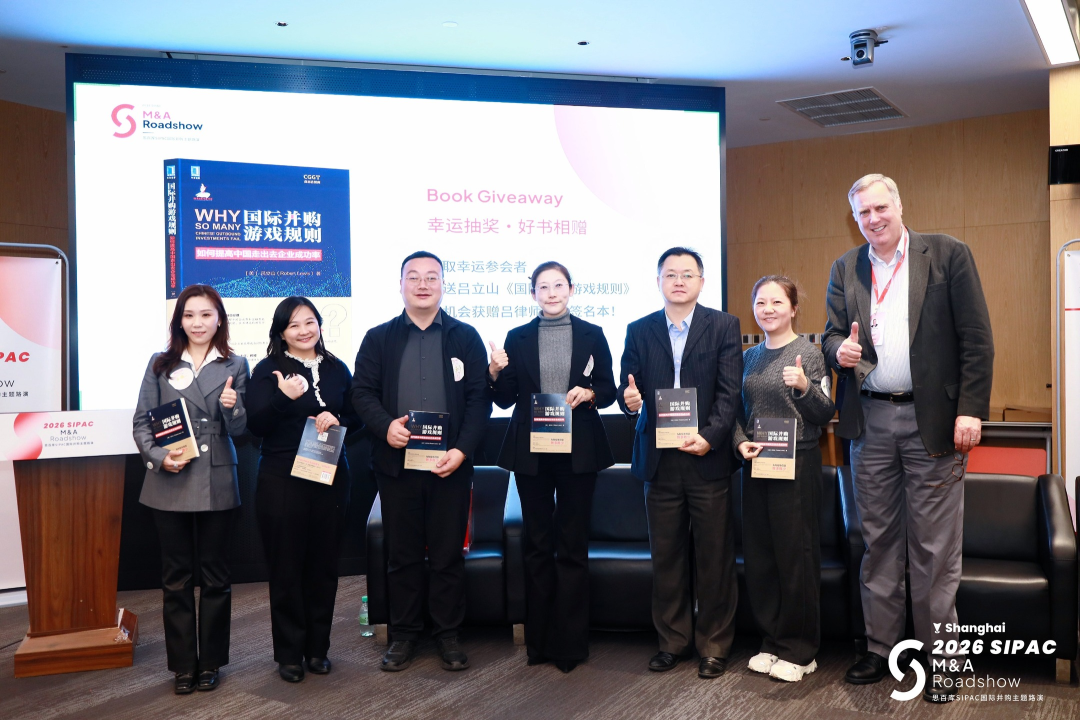
During the break and after the seminar, participants talked with the speakers at length. In the closing lucky draw, winners received copies of Robert Lewis’s M&A book Why So Many Chinese Outbound Investments Fail (《国际并购游戏规则》).

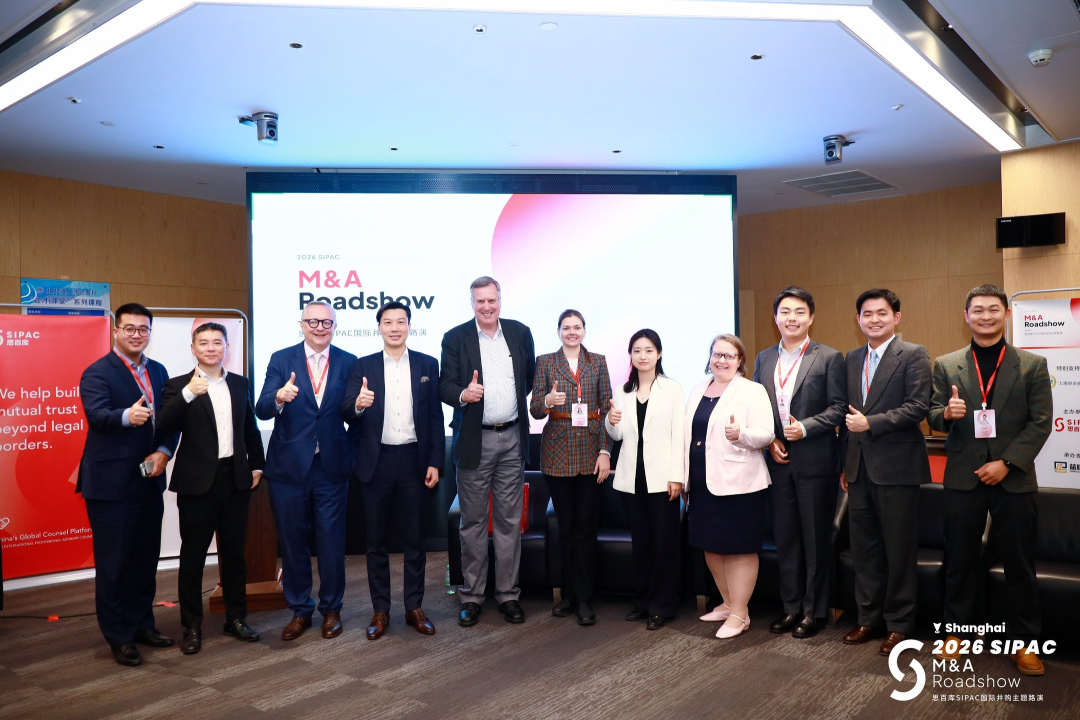
Our thanks to the Shanghai Corporate Counsel Association (SCCA) for its special support, to Lanqi Legal for organizing support, and to everyone who joined us in Beijing and Shanghai. See you next time!