Building a New Collaboration Model for China Outbound Legal Matters: Report on SILF 2026

At the third Sino-International Law Forum (SILF), hosted in Shenzhen, China by the Sino International Professional Advisory Council (SIPAC), leading legal professionals from around the world and across China joined together to chart a new collaboration model for cross-jurisdictional/cross-firm legal services for China outbound trade and investment matters.
The Forum extended over a period of three days, from 16 April through 18 April, 2026. The first day was designed principally as an internal session for nearly 60 foreign delegates from SIPAC members and friends from more than 30 jurisdictions. In addition, we invited senior partners from top Chinese law firms and general counsel and other senior in-house counsel from major Chinese companies to join us as our special VIP guests in order to facilitate closer connections among the attendees.
The second day included the open sessions for a broader audience of more than 300 delegates, including more Chinese lawyers and in-house counsel from a wider cross-section of companies from across China and more particularly the dynamic Greater Bay Area. These open sessions included keynote speeches from leading international legal experts as well as interactive discussion groups addressing the common pain points for in-house counsel, China lead counsel and foreign local counsel in connection with outbound legal matters.
On the final day of the Forum, a smaller group of SIPAC delegates together with friends from the Tian Yuan Law Firm were hosted by Huawei for a special VIP tour of the Huawei exhibition centers in Shenzhen and the larger R&D campuses in Dongguan. As part of this tour, SIPAC delegates were able to have a true “hands on” experience with some of China’s leading technology.
A different kind of forum
Overall, from design conception to execution, this Forum was intended to be different in nature from any other event SIPAC (or perhaps any other law firm network or platform) had hosted previously. Rather than have our foreign delegates come to make the typical presentation on legal updates for their jurisdiction or deal or dispute management best practices (which are covered via written know-how sharing and presentations at webinars, roadshows and training events), this time they came to engage one-to-one with, and to learn from, their peers in the Chinese legal profession and to collectively seek to identify ways in which both sides could better understand each other, so that they could achieve improved cross-firm collaboration on China outbound legal matters. From all feedback from participants, this objective was achieved.
These [pointers on how to improve cross-firm collaboration] are the themes we should explore more at all our future SIPAC conferences!
— Partner from a SIPAC member firm
The importance that all participants attached to these themes was evidenced by the high level of engagement in the presentations, panel and group discussions as well as the live surveys. Even though SILF 2026 was held against the backdrop of significant geopolitical uncertainty due to serious disruptions in the prevailing world order (and we regret that many of our SIPAC members and friends around the world who planned to attend could not, due to these dislocations), there was a sense of confidence and opportunity among the delegates. This reflects the general measured composure that is the hallmark of the new China – quietly confident in the face of uncertainty as the result of having been able to successfully navigate so many of the volatile currents of an ever-changing geopolitical environment to date.
The SIPAC team wishes to give special thanks to the Shenzhen Corporate Counsel Association (a key quasi-governmental organization) as co-organizer of the Forum. We were also honored to have senior officials from the Shenzhen Justice Bureau attend and provide opening remarks.
Other sponsoring and supporting organizations for the Forum included the Shenzhen Court of International Arbitration (SCIA), the Qianhai Belt and Road Legal Services Federation, the Shenzhen Municipal Enterprise Council, the Shenzhen Technology Consulting Services Association, the Beijing Arbitration Commission, the Shanghai Corporate Counsel Association, the China Going Global Think-tank (CGGT), Lanqi Legal Affairs, Wolters Kluwer China, docQbot, and GACC (a General Counsel platform with more than 300 members principally in the Greater Bay Area and Yangtze River Delta region).
The Day 1 closed-door sessions were held in the ballroom of the fabulous Andaz Shenzhen Bay hotel, which provided the perfect venue for our Day 1 delegates. In order to accommodate the much larger group of delegates for the Day 2 open sessions, we moved across to the more spacious conference rooms at the nearby Raffles Shenzhen hotel. Below, we provide a more detailed report on each session of SILF 2026.
Day 1 · Closed-door sessionsAndaz Shenzhen Bay
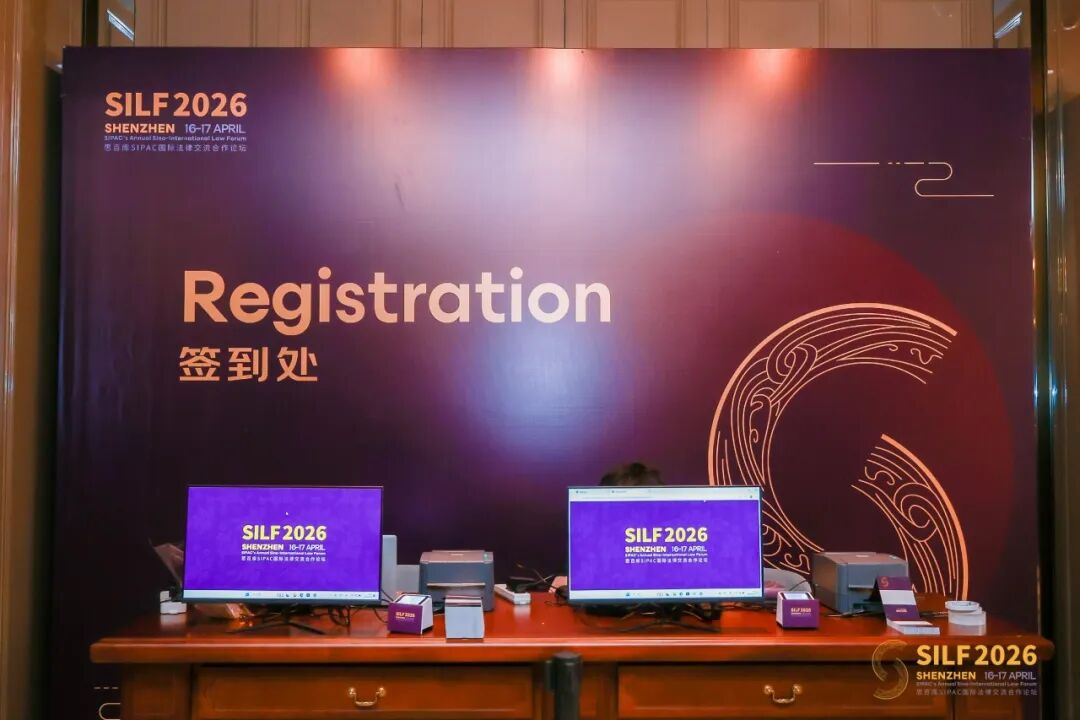
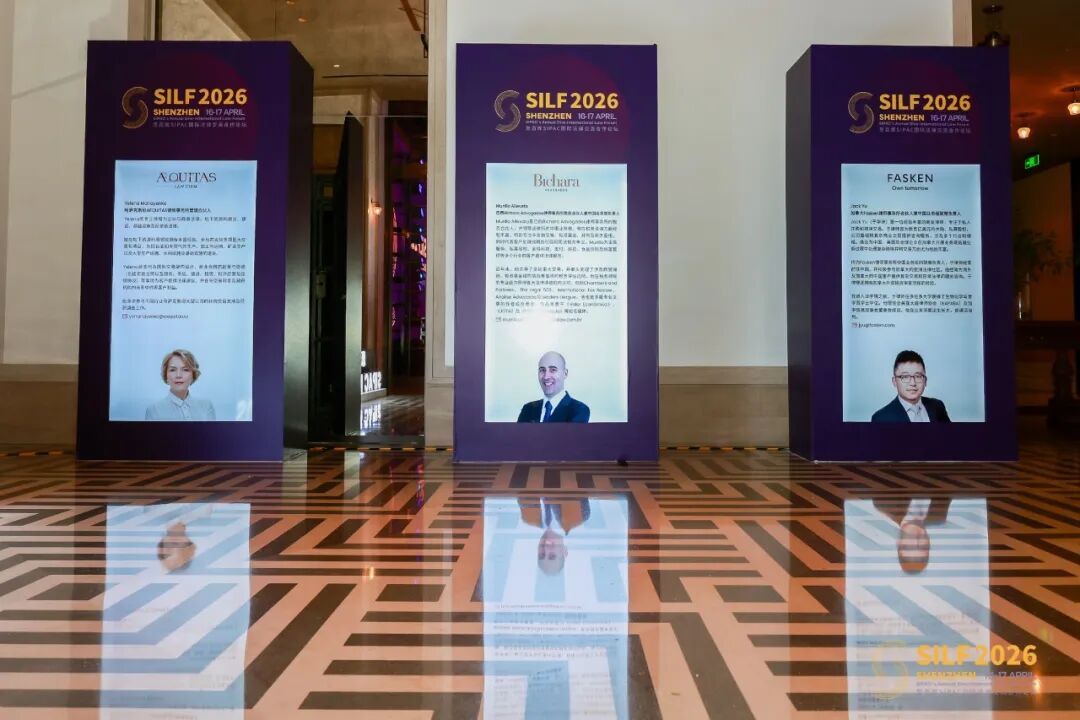
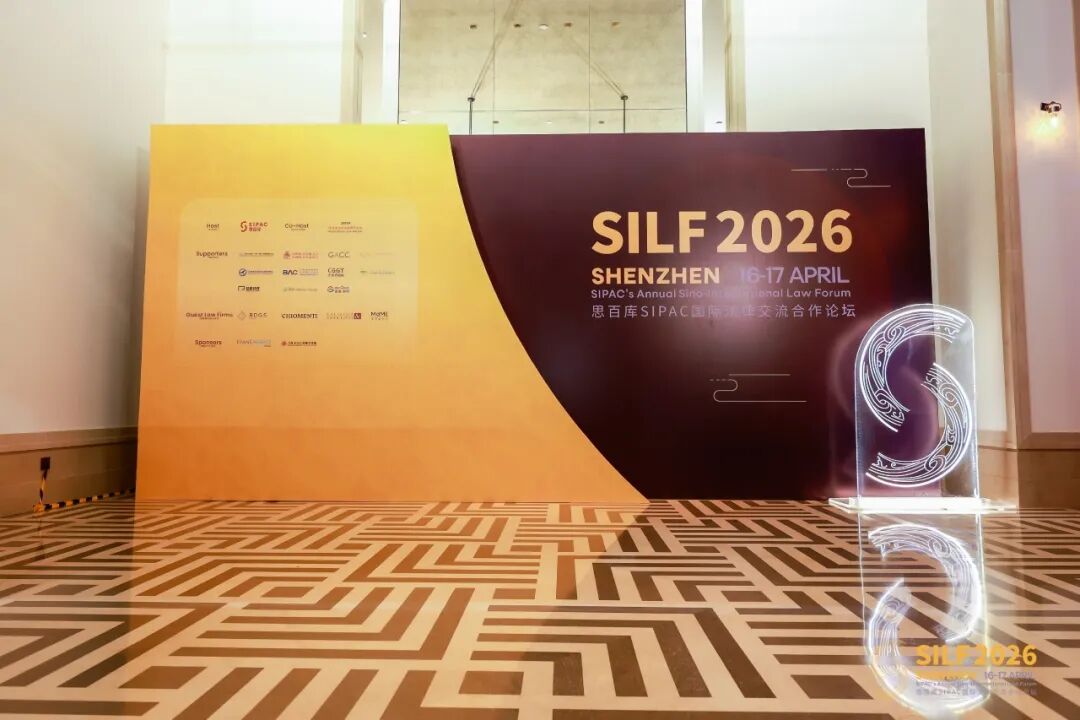
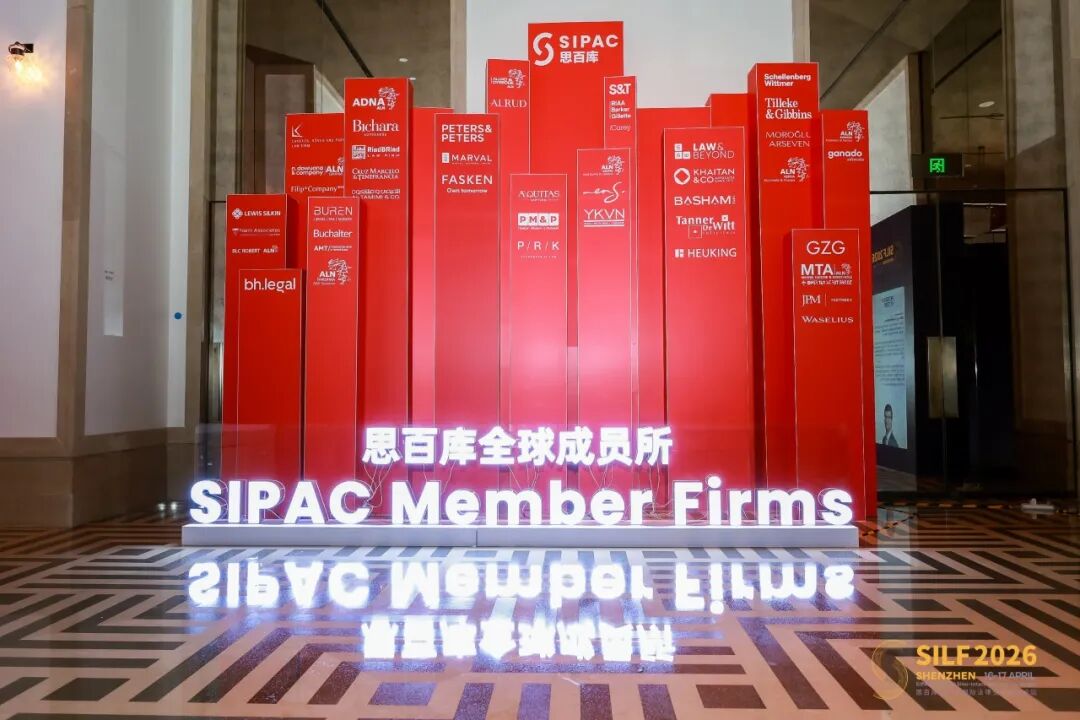
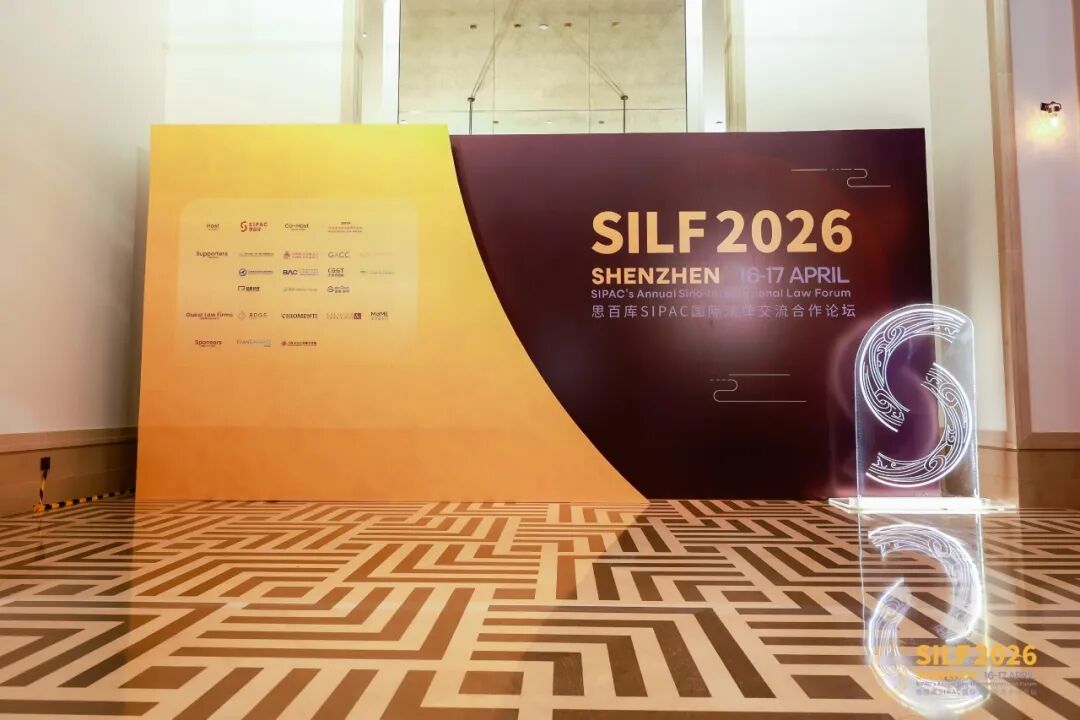
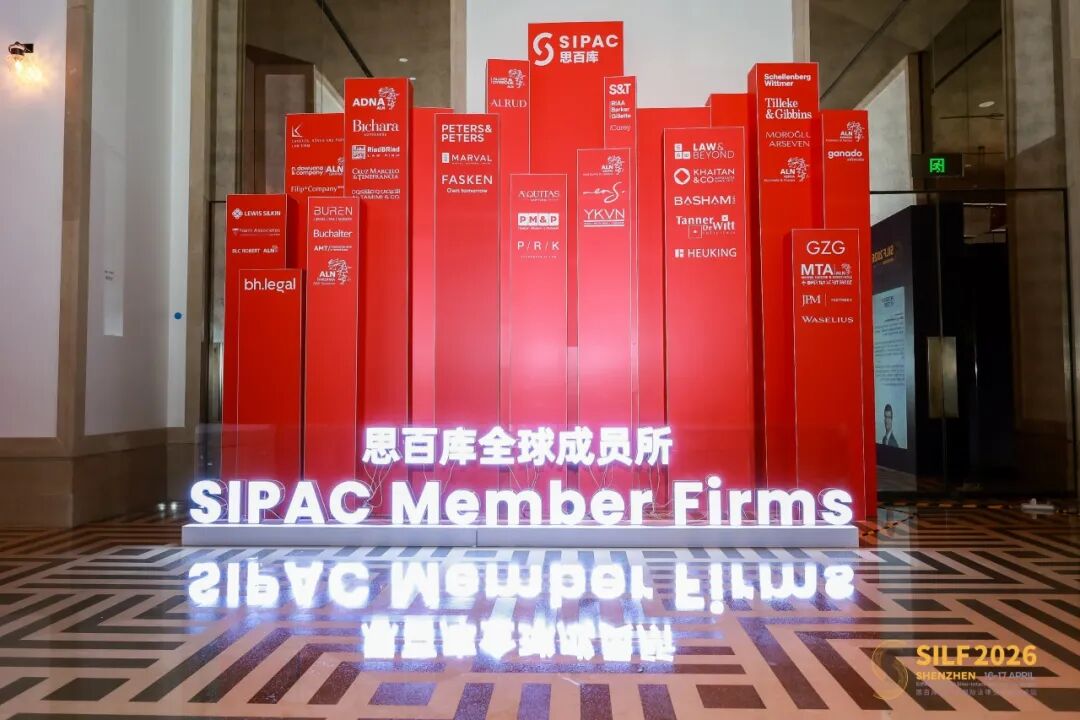
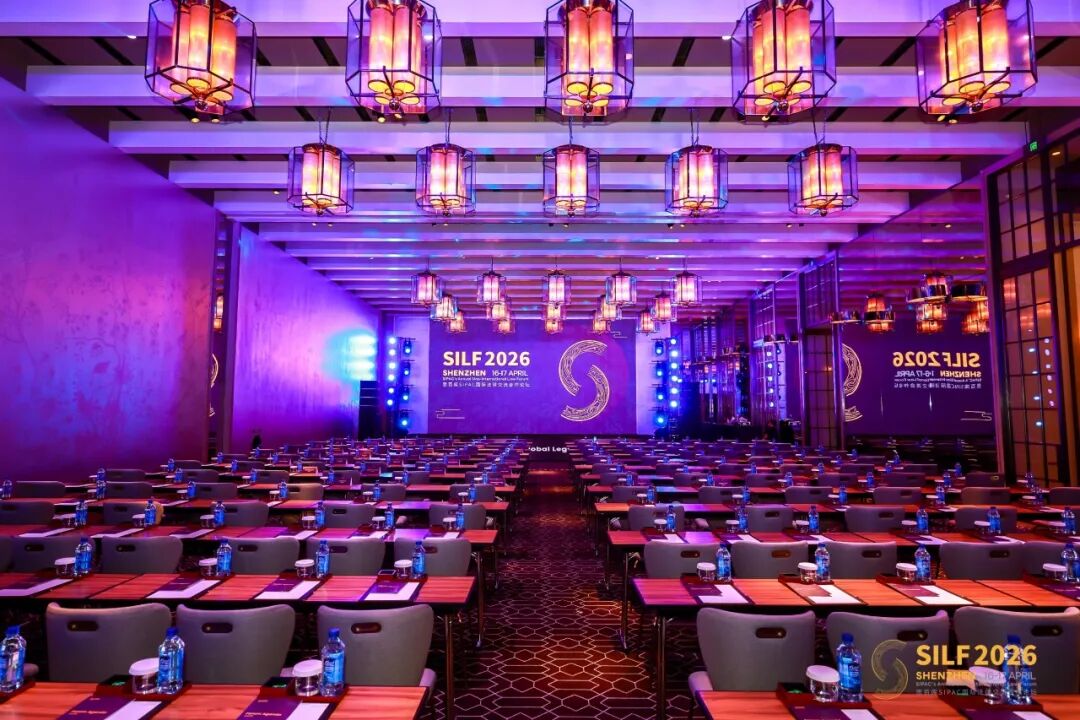
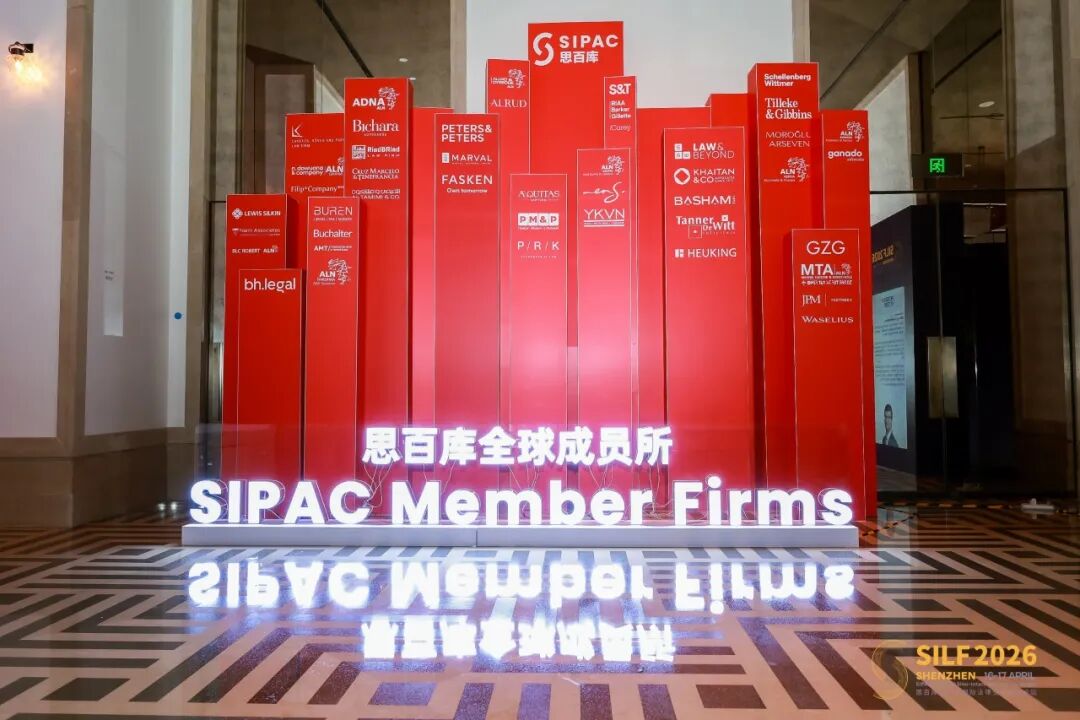
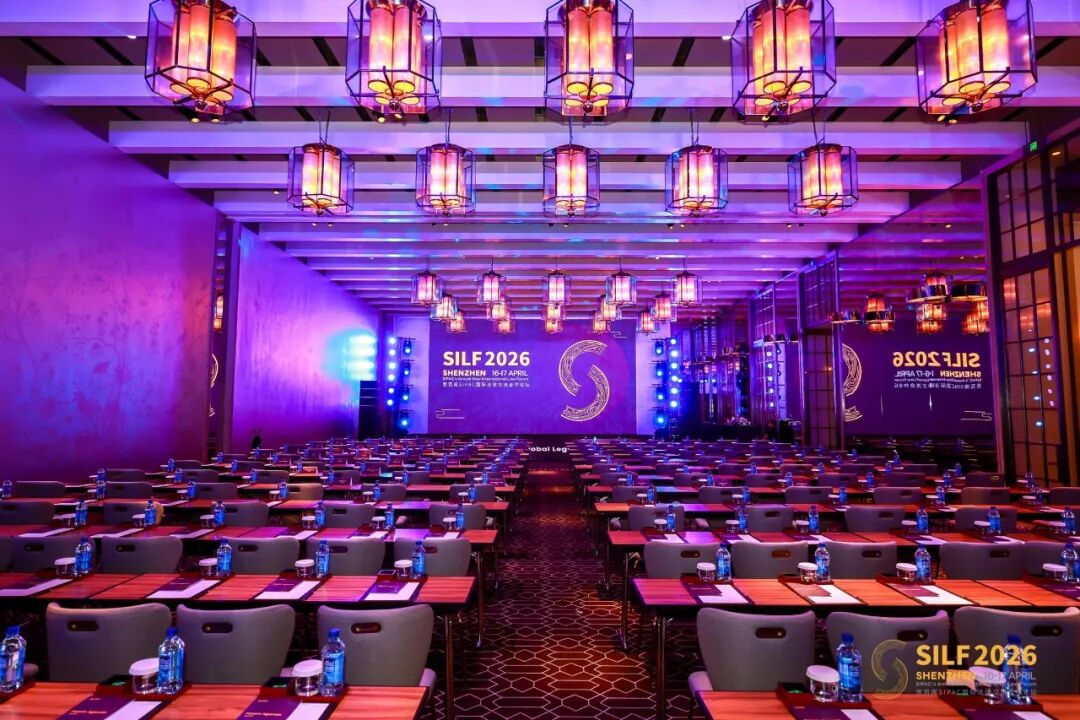
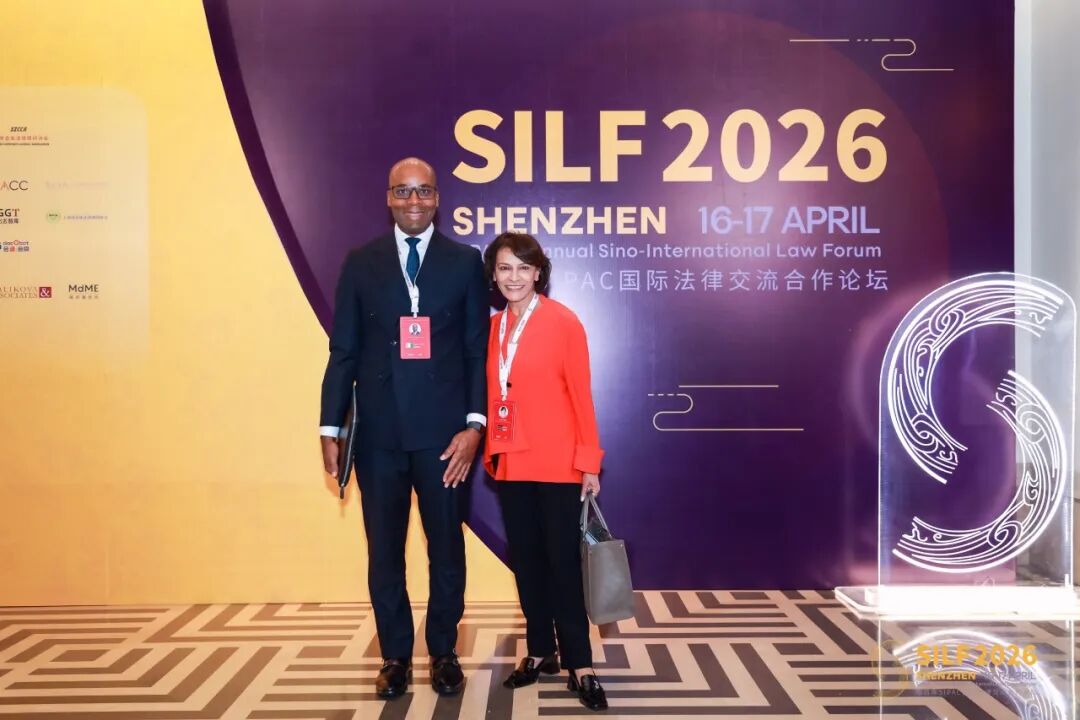
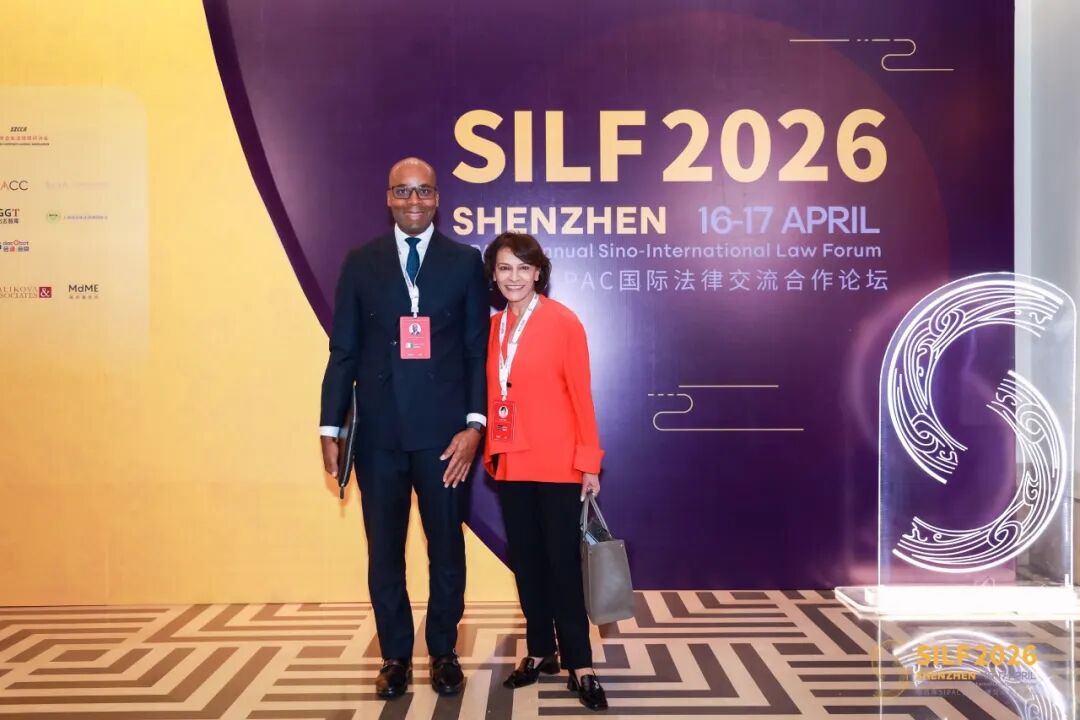
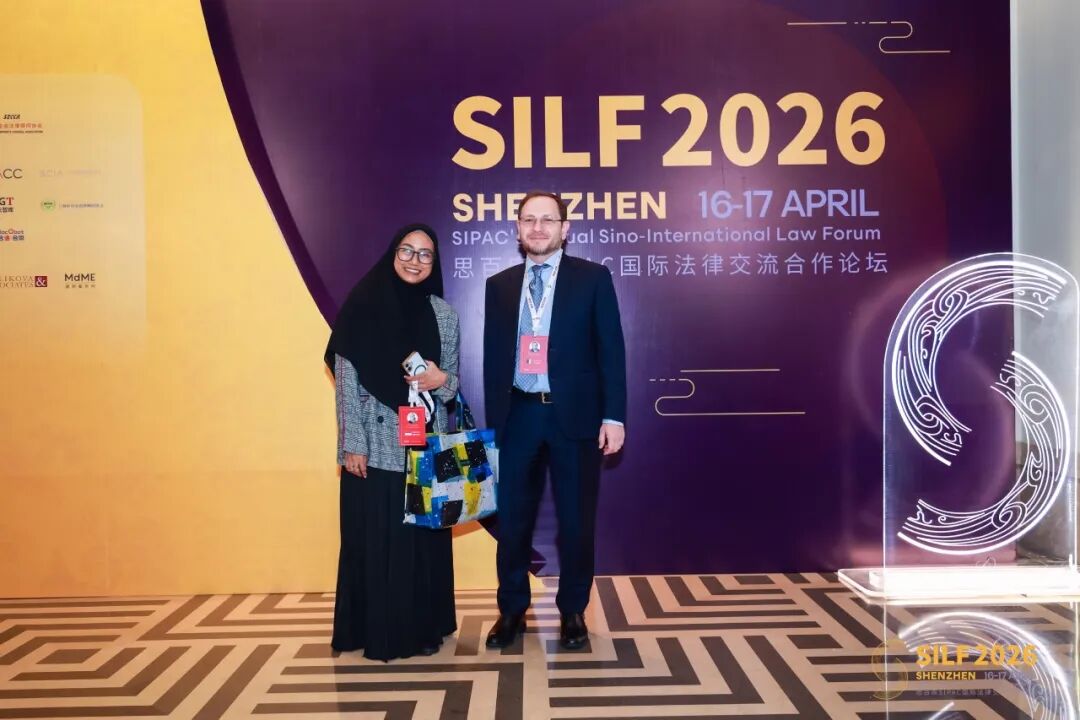
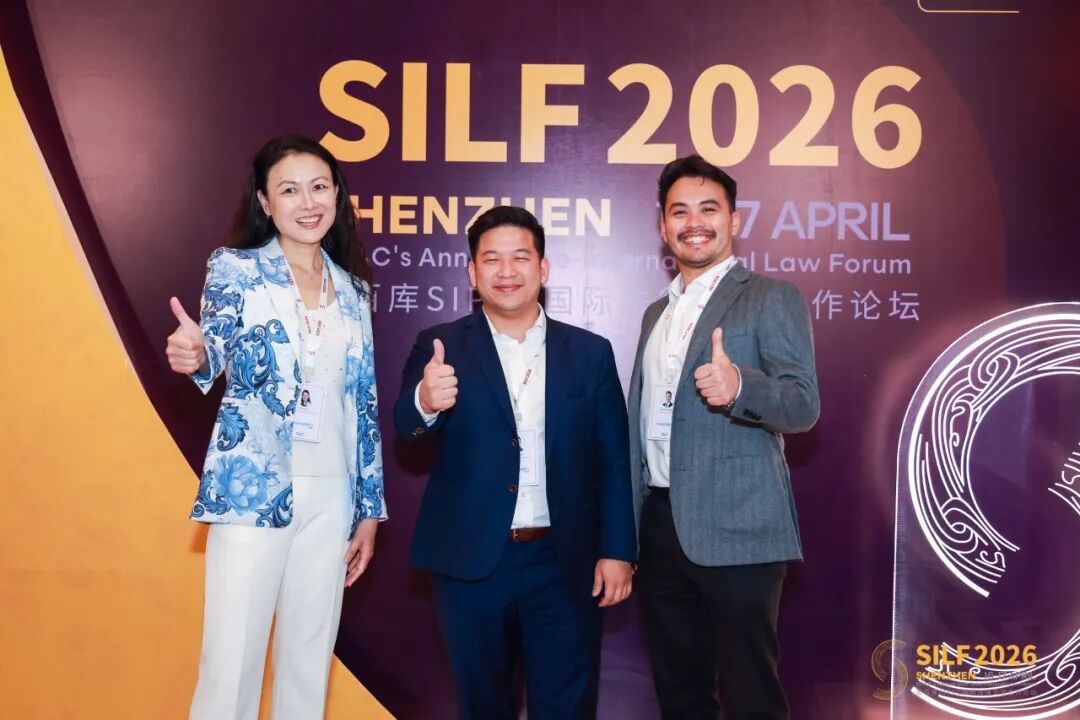
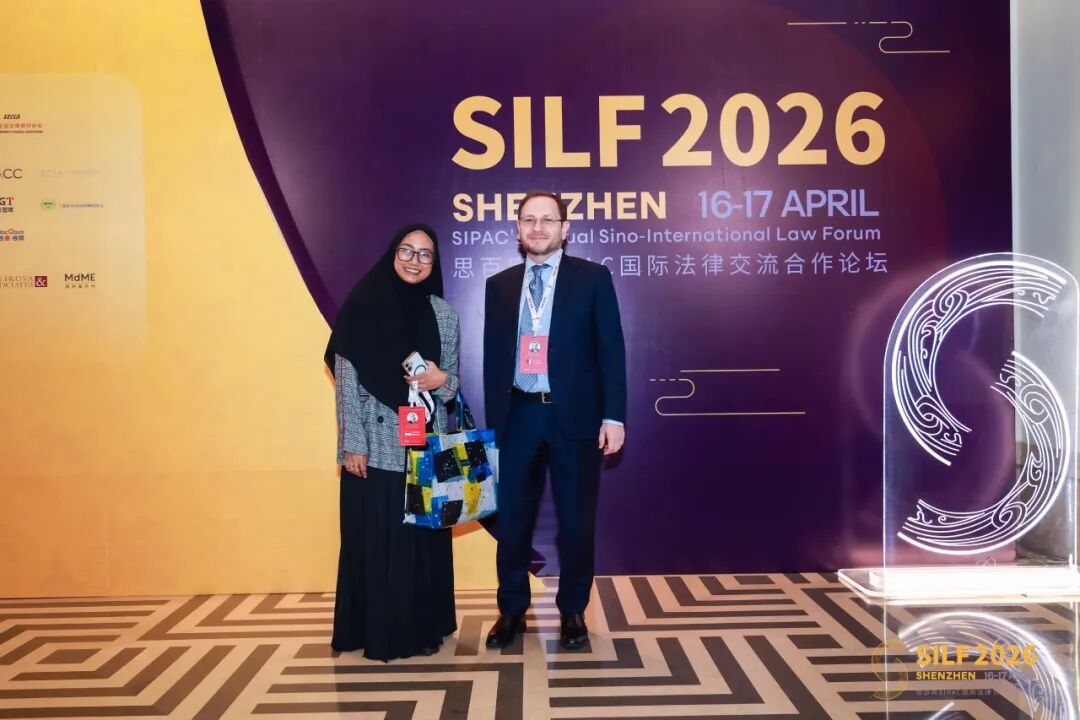
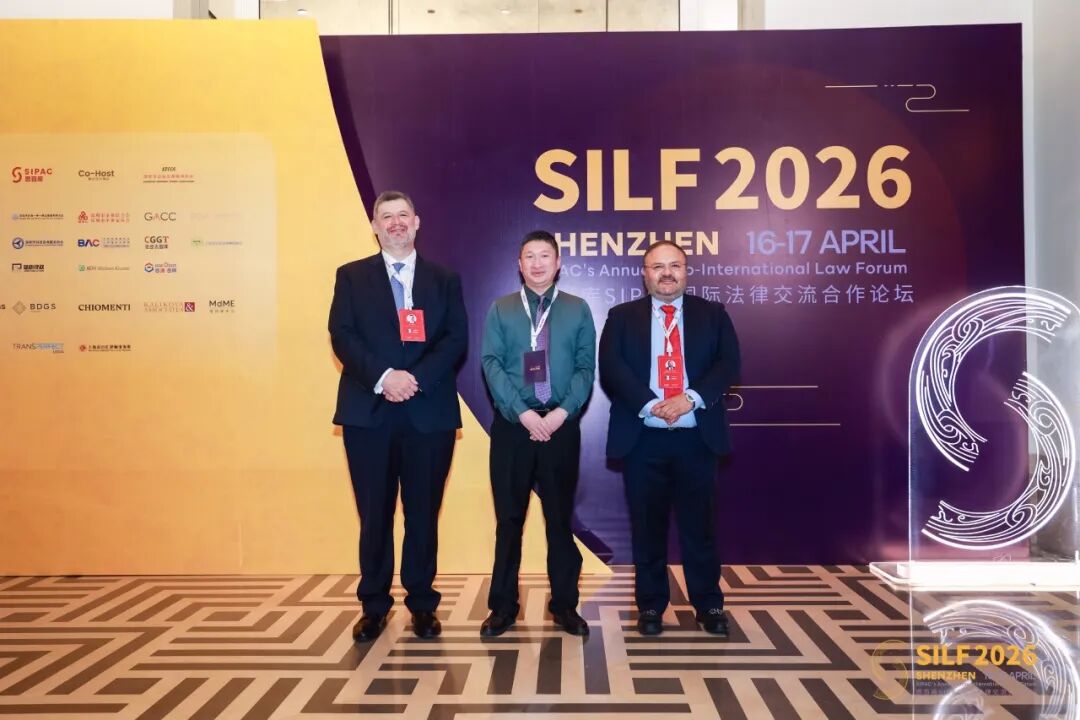
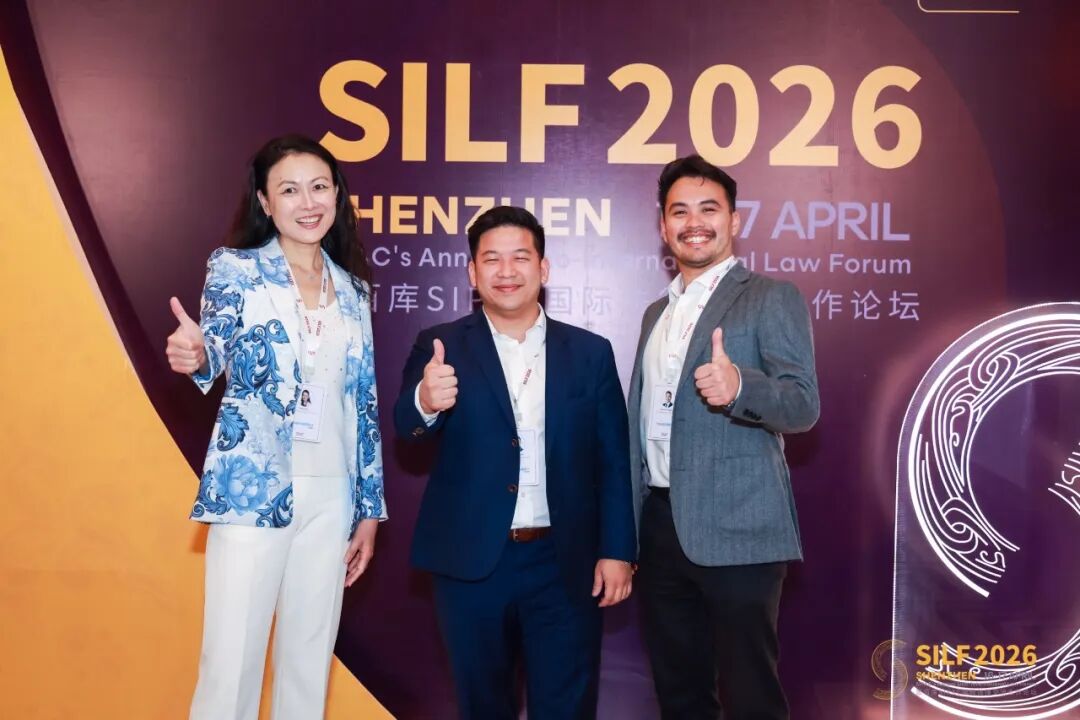
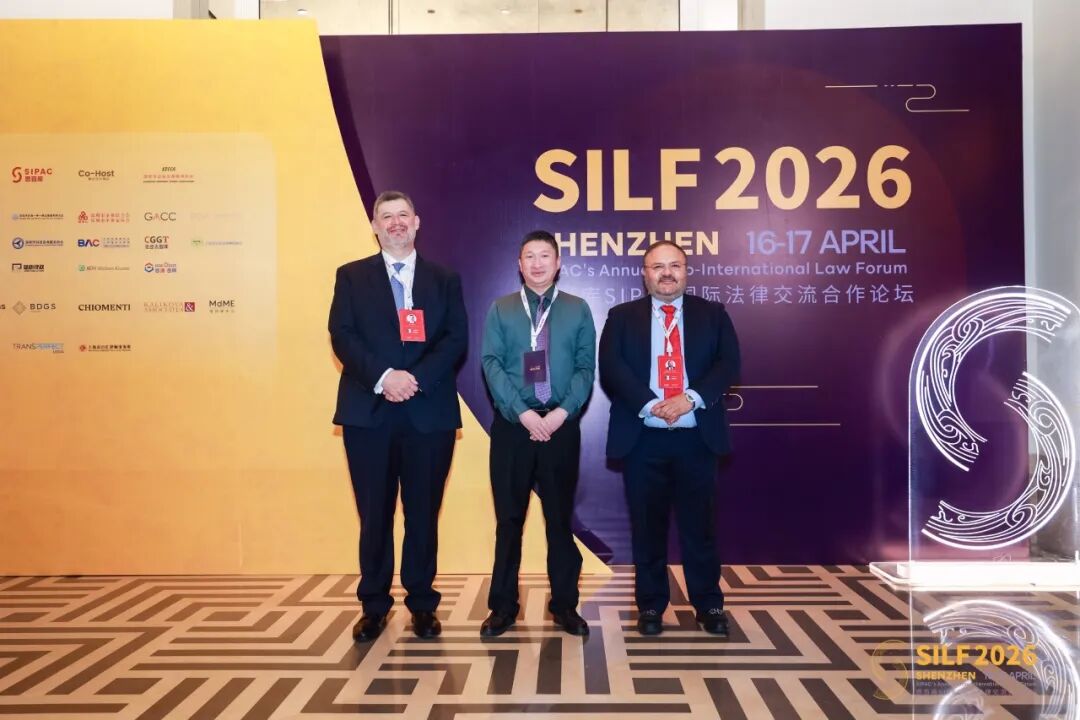
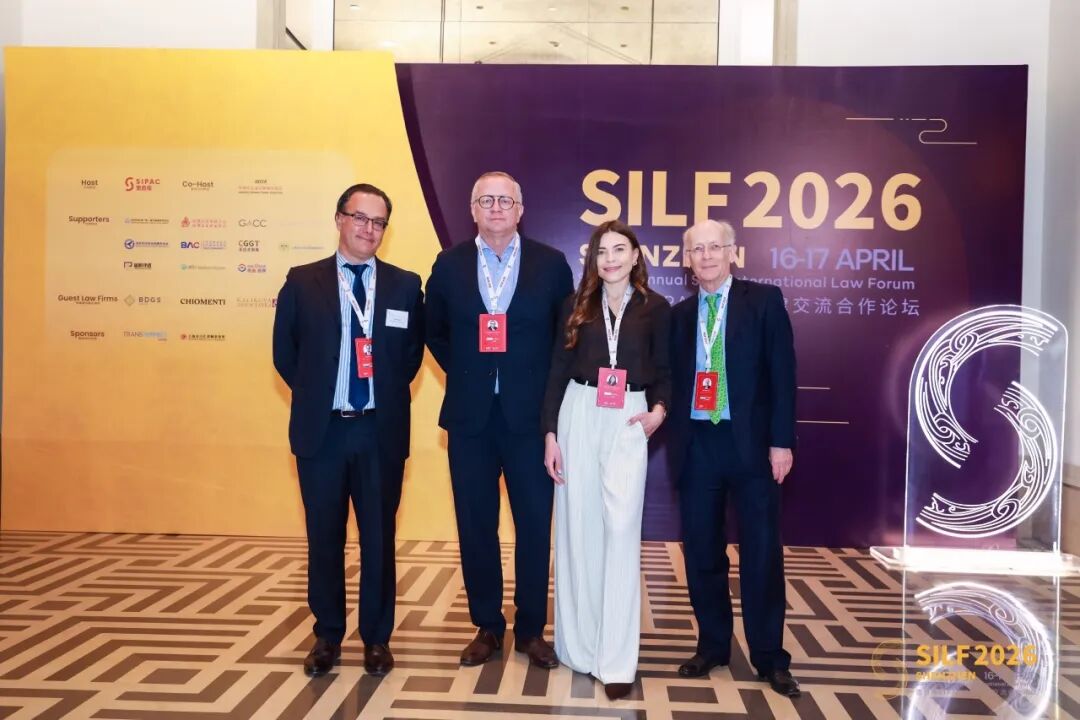
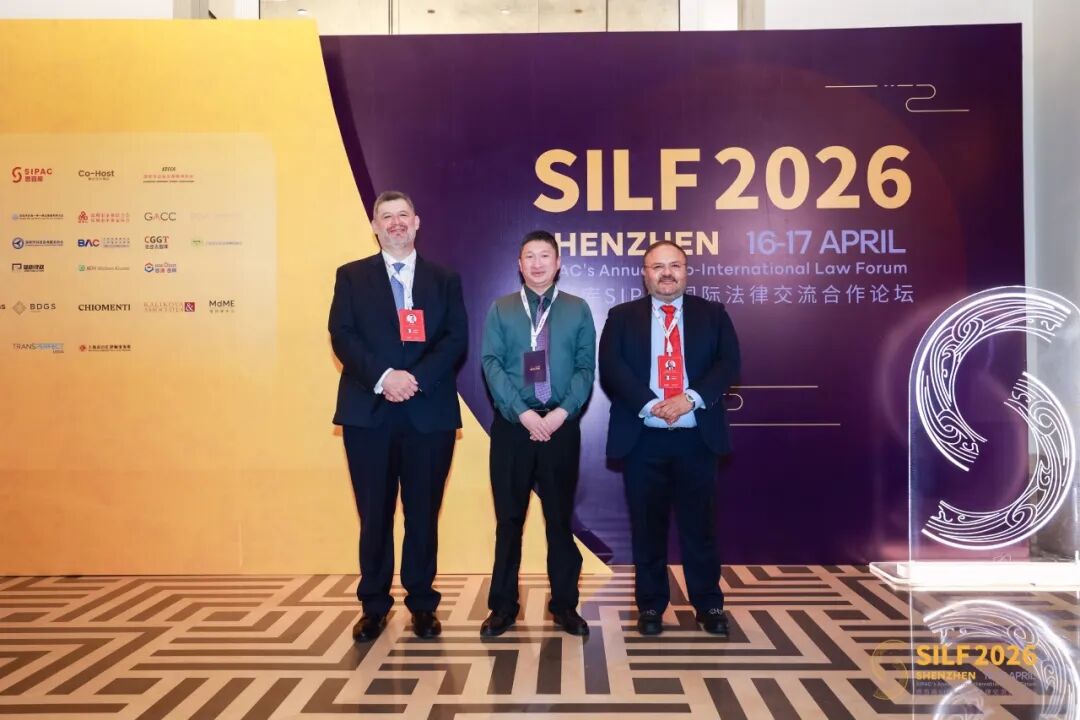
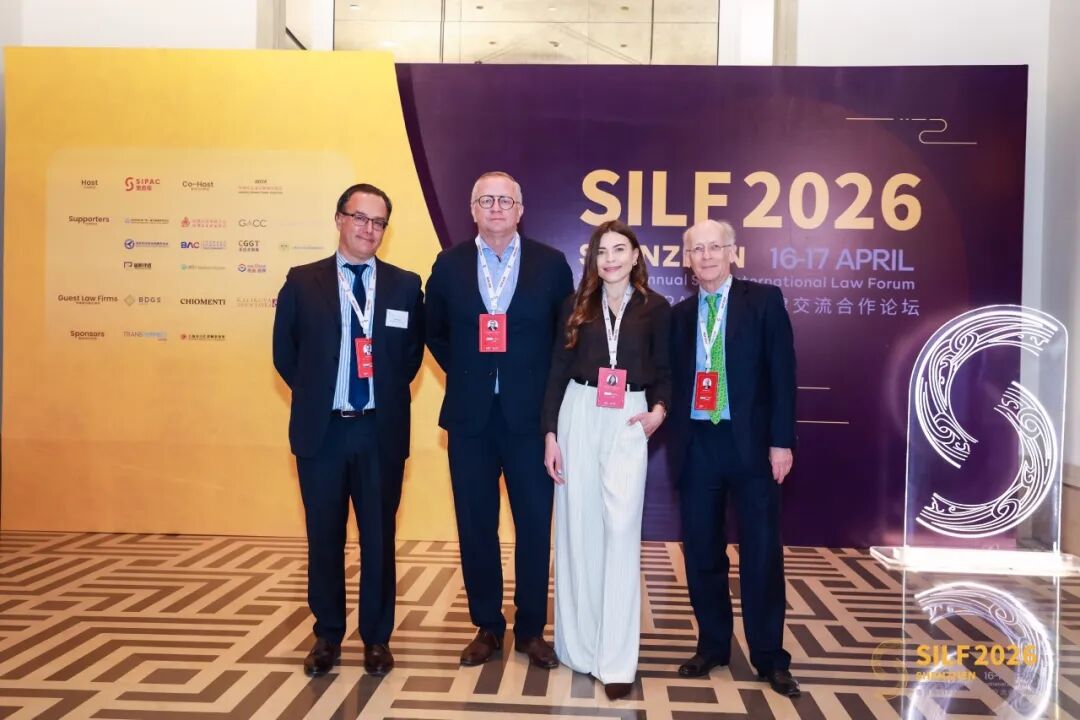
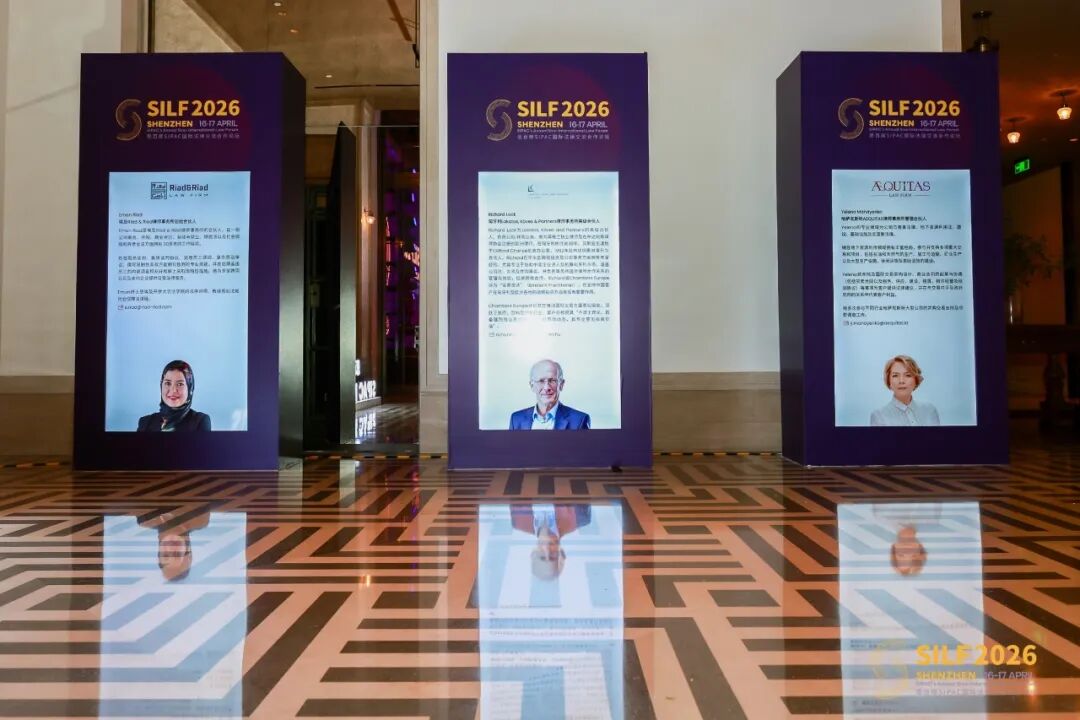
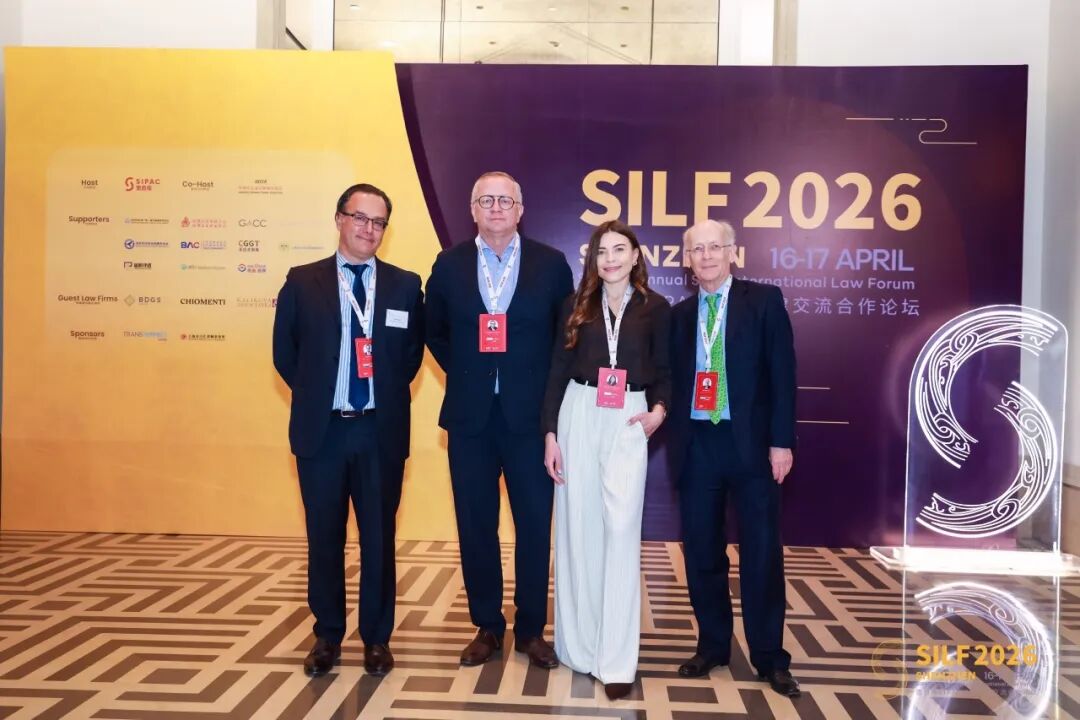
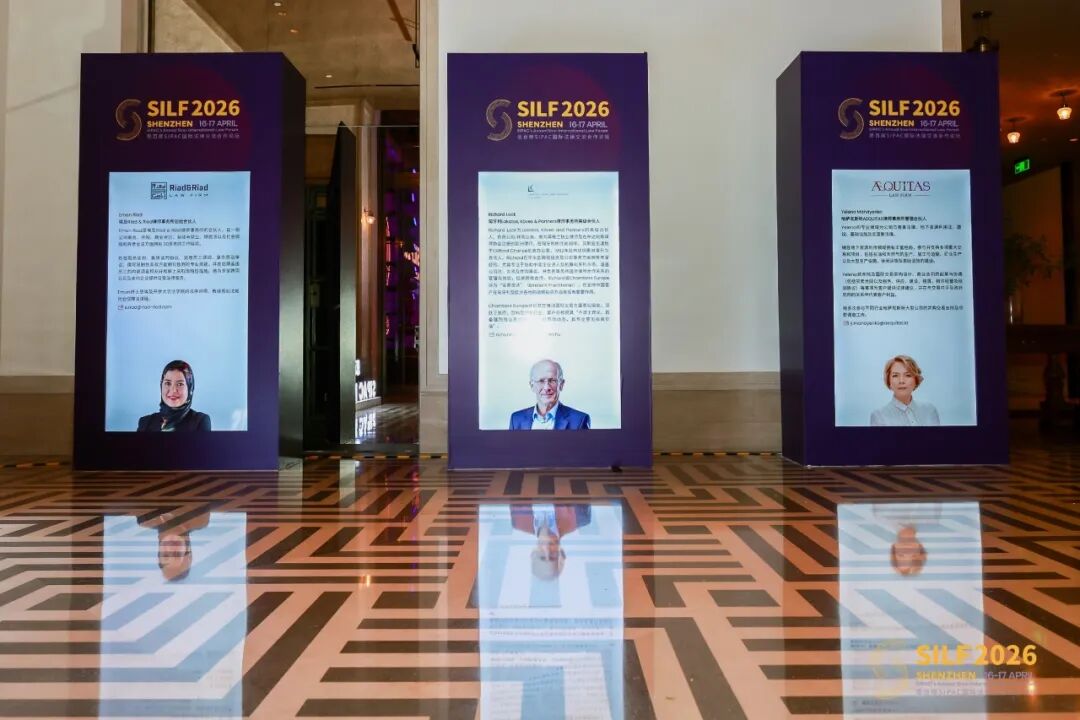
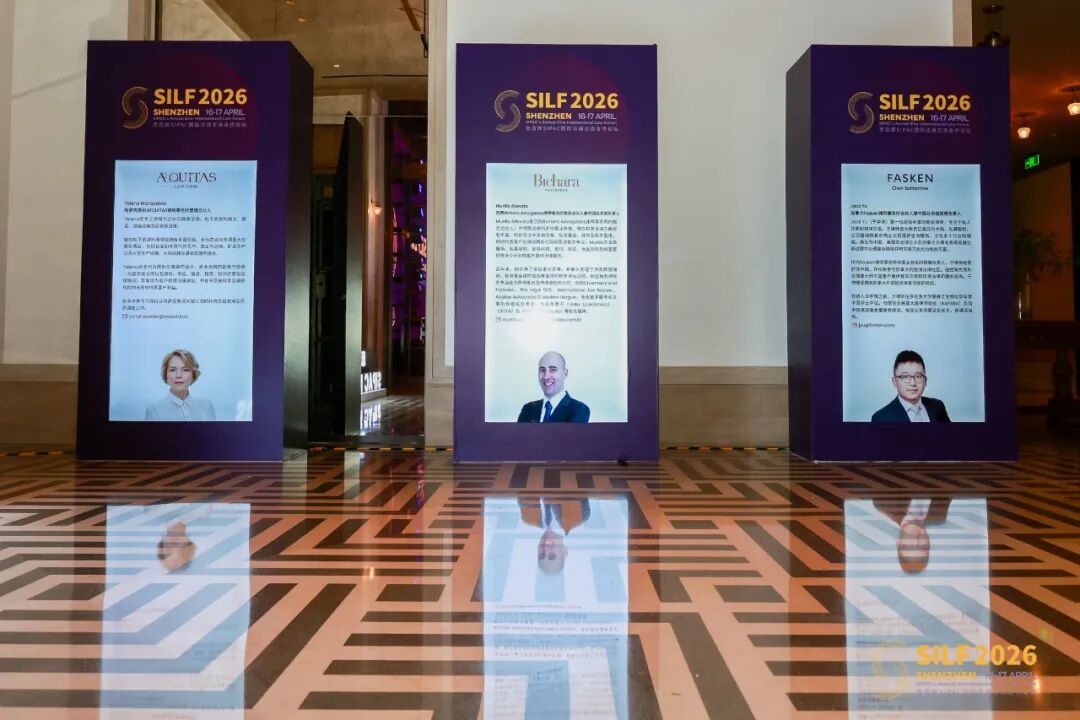
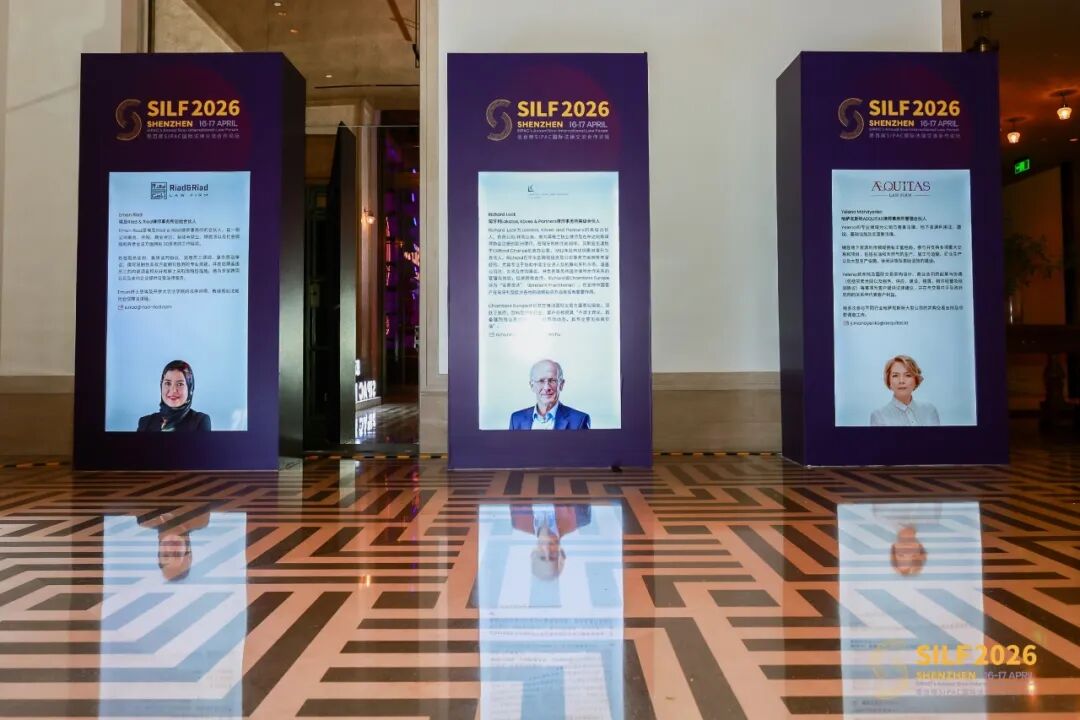
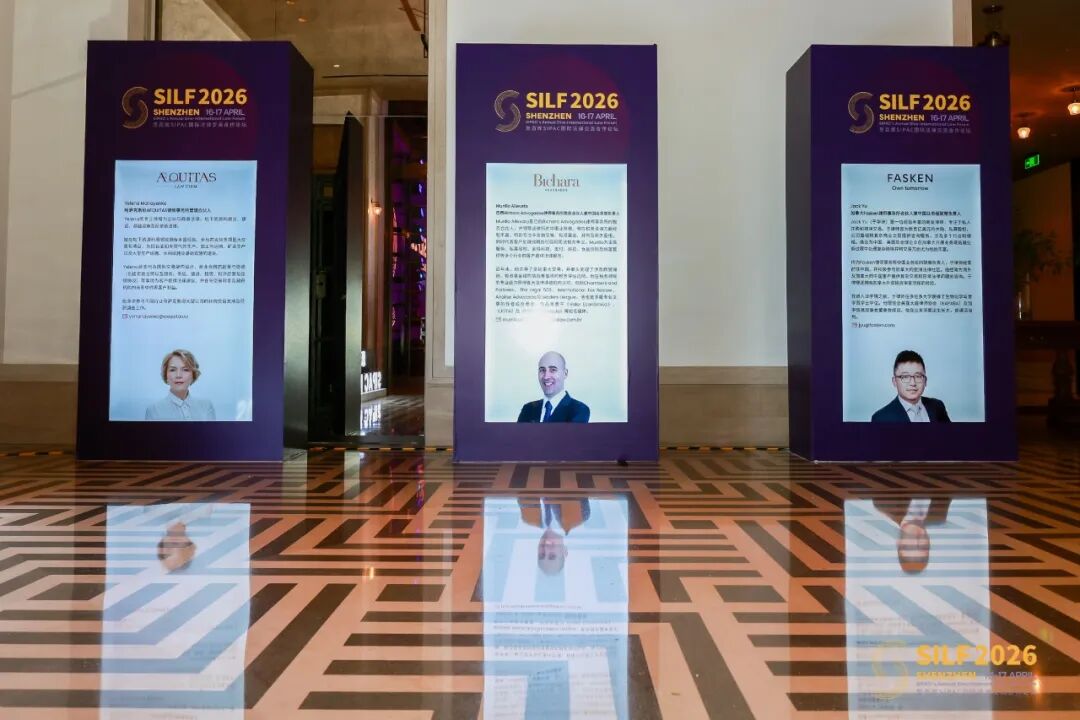
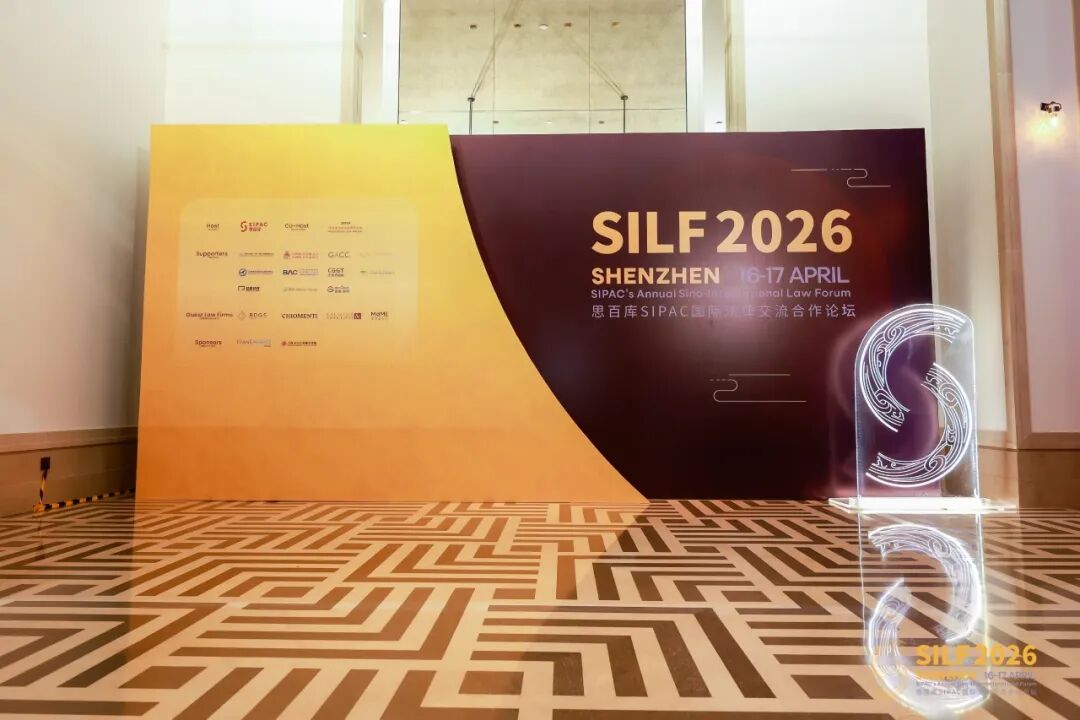
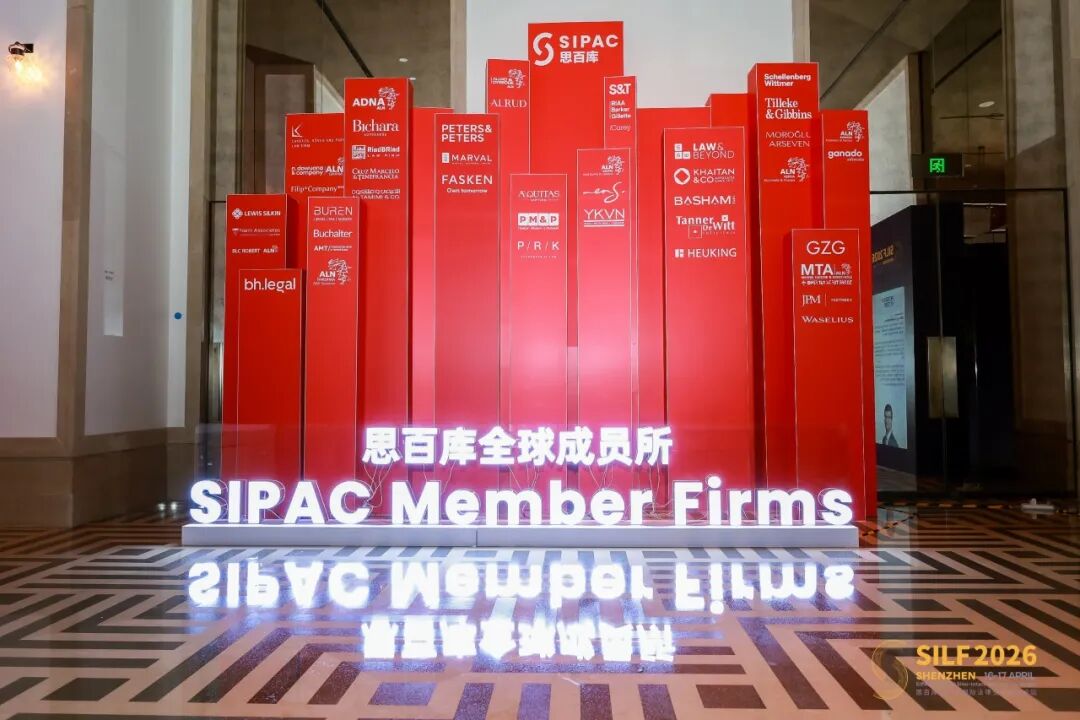
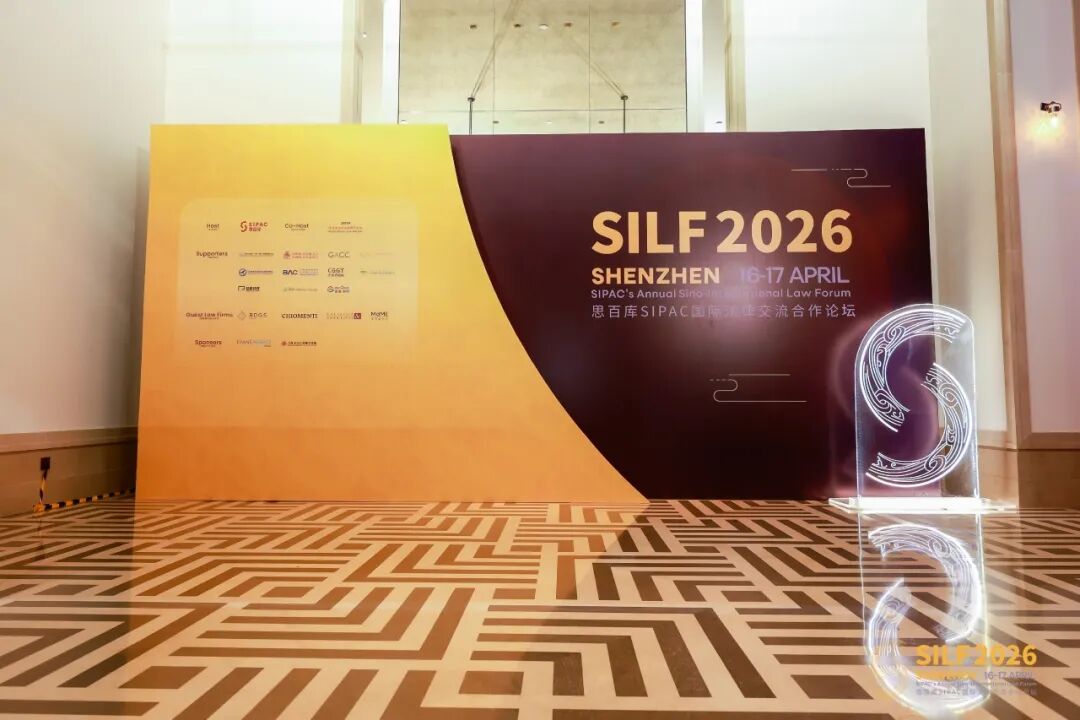
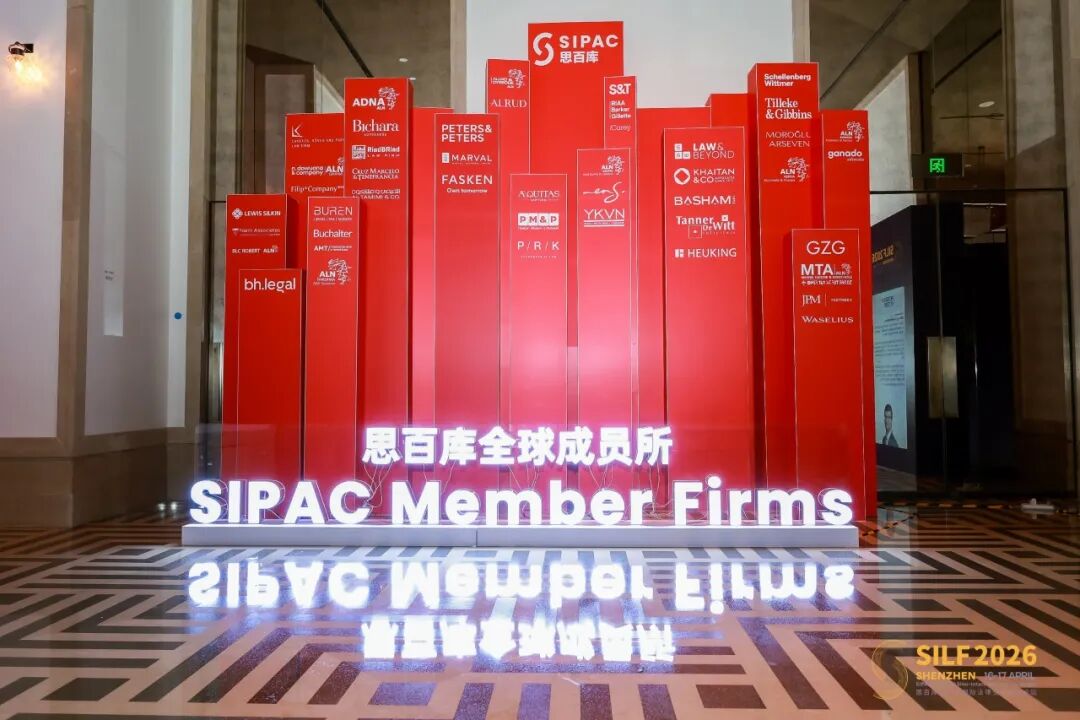
Day 1 highlights · 45 photos
Morning session | China’s role in the new global world order
The morning session of Day 1 of SILF 2026 was designed to provide SIPAC members and friends a wide range of expert perspectives on China’s global ambitions so that foreign legal counsel around the world could better understand and appreciate the current drivers of growth as well as future trends that will inform the legal service requirements of Chinese companies in each region of the world.
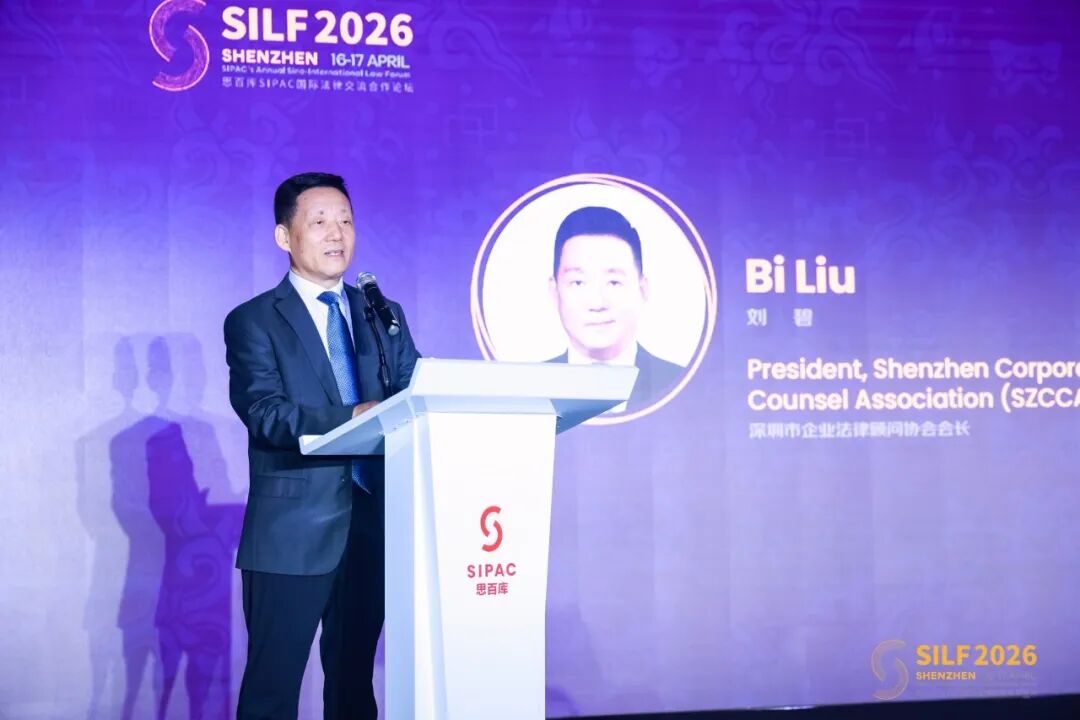
Welcome remarks – President of the Shenzhen Corporate Counsel Association
This internal session was opened by welcome remarks by Mr. Bi LIU, President of the Shenzhen Corporate Counsel Association. Mr. LIU began by acknowledging that the world is undergoing profound geopolitical change, and that, as Chinese companies push ahead with their international expansion plans, they face many political and commercial challenges as well as the full array of legal risks, including compliance risks, IP risks, contract risks and dispute resolution risks.
Mr. LIU asked, “How should businesses respond to both the opportunities and the challenges?” And then he answered his own question: “That is precisely the original purpose and mission behind this forum jointly convened by SIPAC and the Shenzhen Corporate Counsel Association,” adding “As close partners over many years, SIPAC and the Shenzhen Corporate Counsel Association are willing to serve as a bridge — linking business and the law, and linking China with the world.”
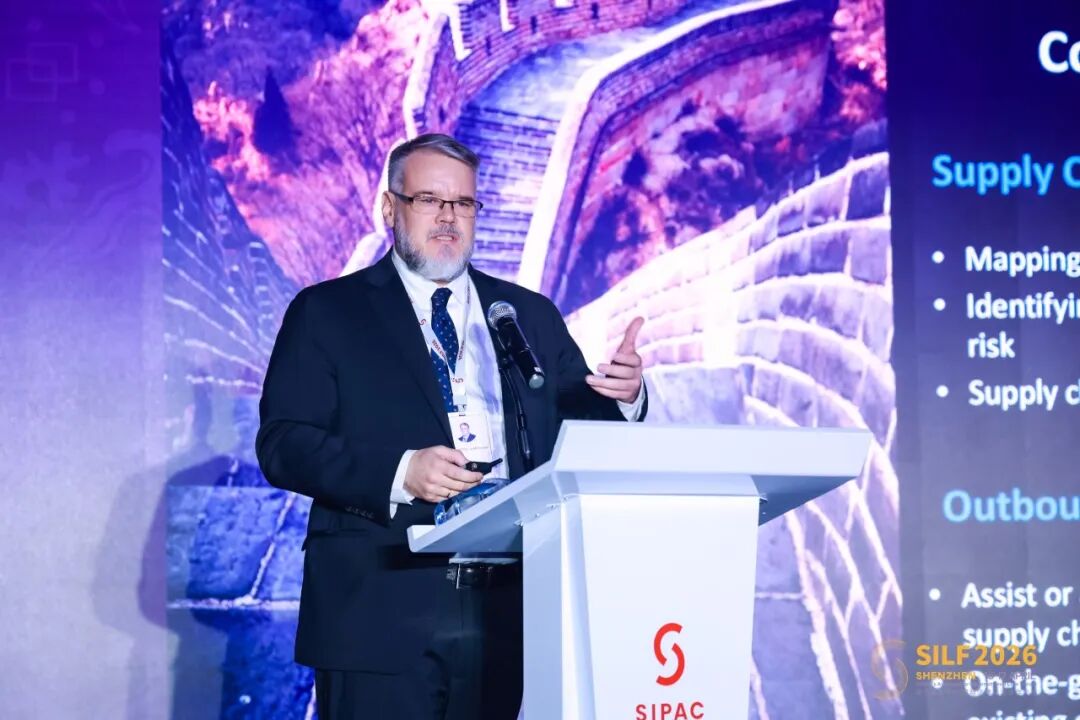
Keynote – Cameron Johnson: Exploring China’s dominant supply chains
The first international expert to address the Forum was Cameron Johnson, a Senior Partner at TidalWave Solutions in Shanghai, who spoke on the topic of “Beyond Red Tape – Exploring the Geopolitics of Supply Chains Amidst US-China Competition”.
Drawing on more than 25 years of experience in supply chains, manufacturing and technology, Cameron provided an overview of recent trends in nearshoring, friend-shoring, and re-onshoring of supply chains as the US and some other Western governments seek to reduce reliance on China’s supply chains, noting that all efforts to date by many large foreign companies to execute a “China +1” or “China +2” strategy have failed to achieve significant disengagement.
By way of example, Cameron presented a complex supply chain map for certain rare earths, extending across six tiers from Tier 1 suppliers down to mines, with more than 60 mapped supplier and sub-supplier nodes, more than two-thirds of which he noted were based in China. He additionally noted that the Iran war has further reshaped the calculus of supply chain management, not only because of the disruptions in the supply of energy and other derivative raw materials such as helium, but also because China is now increasingly seen around the world as a more stable partner than the US.
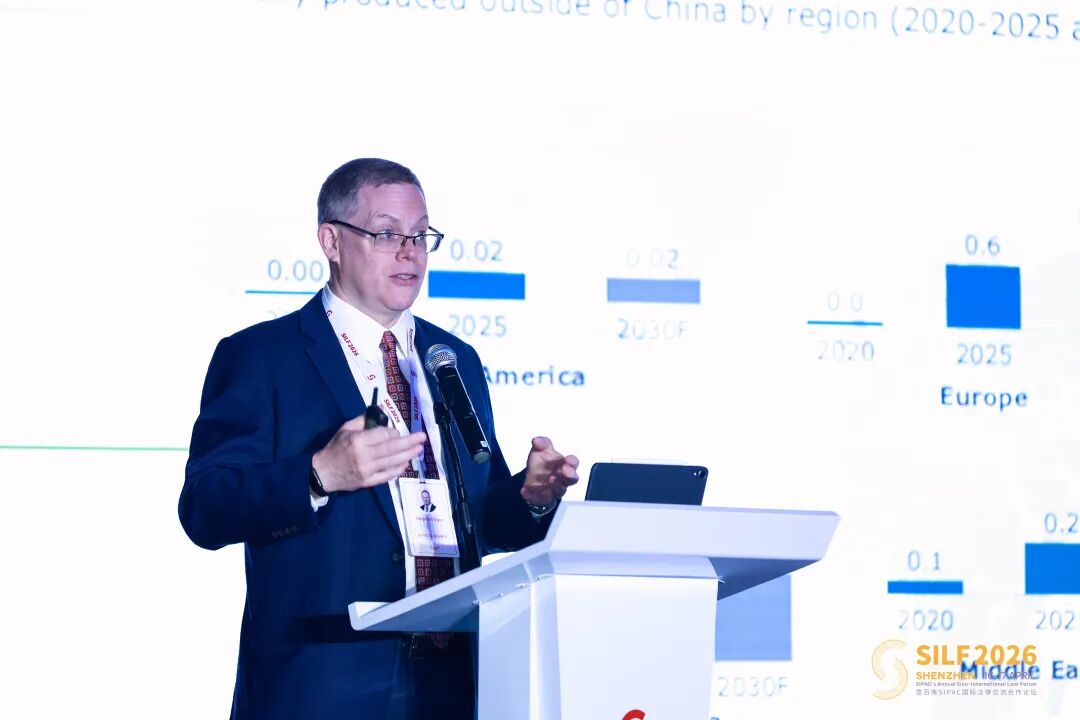
Keynote – Stephen Dyer: China’s EV sector goes global
The next keynote address, entitled “How China Is Changing the Global Auto Industry”, was presented by Dr. Stephen Dyer, head of the Asia Automotive & Industrial Practice for AlixPartners. Dr. Dyer has an MBA from University of Michigan Ross Business School, and a Ph.D. in Mechanical Engineering from the University of Michigan, and he has lived and worked in Greater China for over 20 years.
Stephen mapped out the last 50-plus years of the automotive industry, with Japanese manufacturers taking a lead position in the 1970s, followed by the emergence of the Korean car companies in the 1990s, which was then superseded by the rise of Tesla in the 2010s. Now, he said, the China automotive sector has come of age to such a degree that around the world, the question is no longer “What is Tesla doing?” but “What is BYD doing?”
China’s emerging dominance in the global auto sector is demonstrated by the fact that China became the largest auto exporter in 2023, and the largest passenger-vehicle exporter in 2024, with Chinese automobile manufacturers expected to take approximately a 30% share of the global market within five years, by which time Chinese vehicles are expected to also have entered into the US market as well. Intense internal competition among new NEV brands in China has not prevented more new brands from coming onto the domestic market, with fewer NEV brands exiting the market in 2025 than in 2024.
China also leads the world – by a wide and growing margin – in advanced EV technology, including batteries and Advanced Driver Assistance Systems (ADAS). Add to this the extreme value-to-price advantage that Chinese EV manufacturers enjoy due to vertical integration and/or the robust and highly integrated domestic supply chain, as well as smart styling and an over-abundance of tech features included in the base price, it becomes clear why the Chinese manufacturers present a near-existential threat to many legacy manufacturers. Moreover, their continued expansion around the world also is expected to bring their supply chains with them, all requiring legal support (which is why SIPAC is in the process of establishing a global panel for the automotive sector).
Keynote and panel – China Globalization 2.0
The conclusion of the morning session of Day 1 of the conference was highlighted by a report by the China Going Global Think-tank (CGGT) in collaboration with Dow Jones Risk & Compliance, entitled “The Blueprint for Globalization 2.0 – How Chinese Enterprises are Reconstructing Global Supply Chains.”
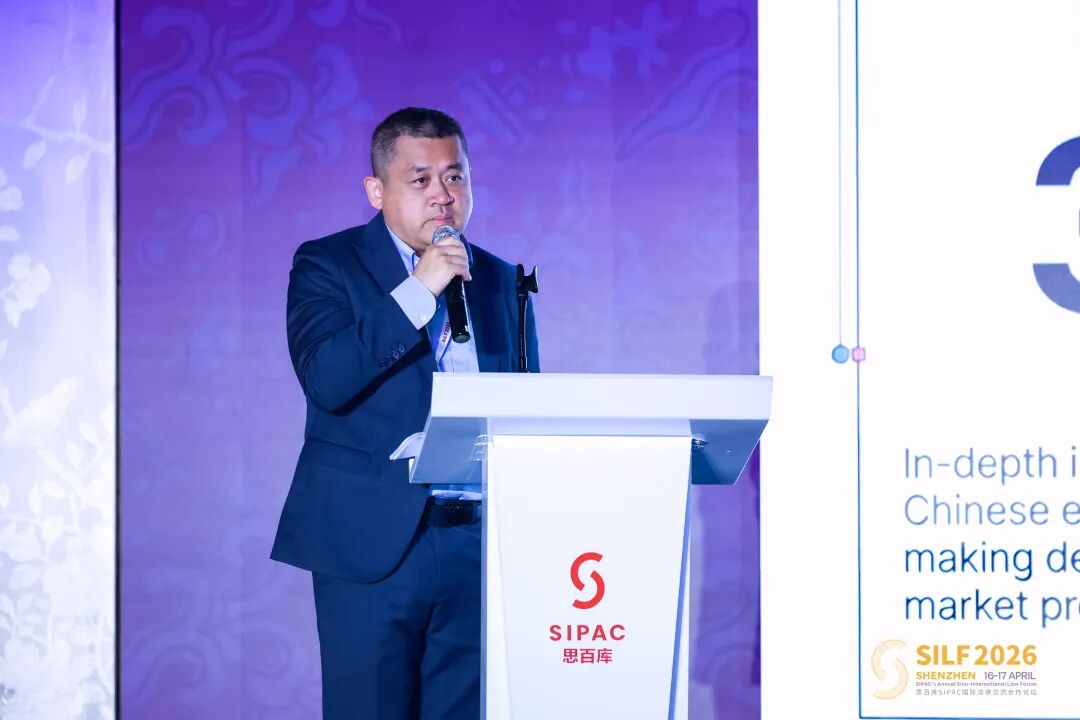
This presentation focused on key points from a white paper on the same subject principally authored by Dr. Junxiu LU of the CGGT, who prior to joining CGGT had been a senior researcher on geopolitical and global market issues for the People’s Bank of China. Among the key themes explored in Dr. LU’s presentation was that the shift to Globalization 2.0 has exposed deep vulnerabilities for Chinese companies abroad. Specifically, whereas capital and technology were the drivers in connection with Globalization 1.0, they are no longer enough, and success in connection with Globalization 2.0 now depends entirely on compliance capability, governance sophistication, and legal system integration.
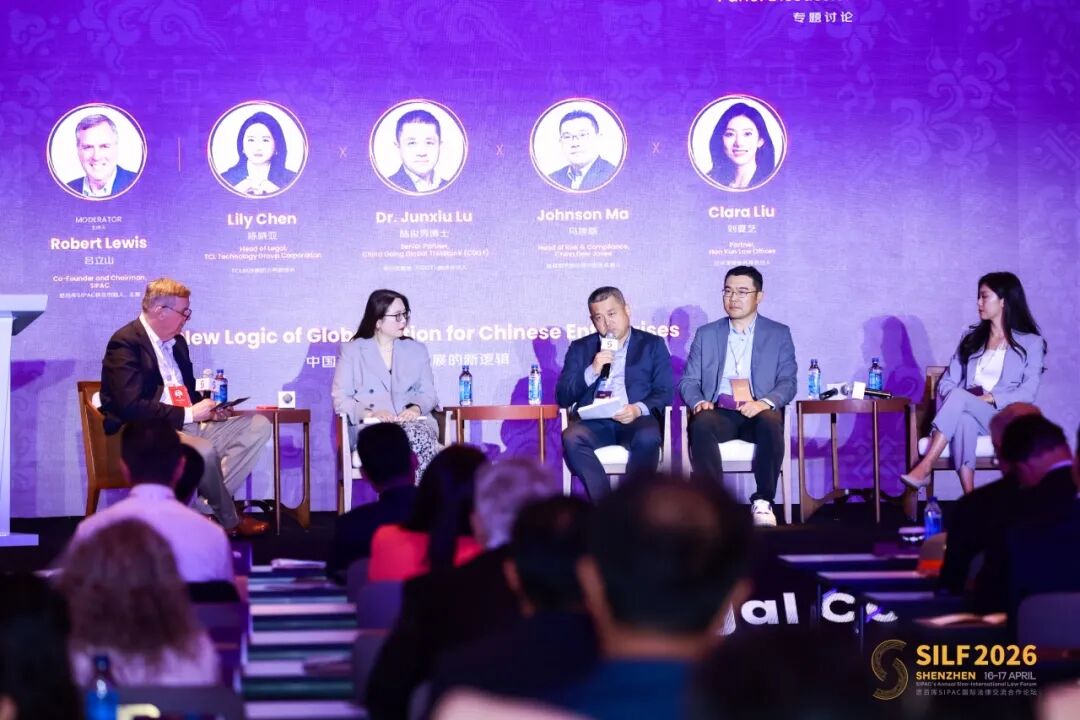
Following Dr. LU’s presentation, a panel discussion was organized to discuss points from his presentation relating to some of the strategic drivers, practical challenges, and future outlook for Chinese outbound investment. Joining Dr. LU on this panel were Lily Chen, Head of Legal Department at TCL Technology Group, Johnson Ma, Head of China for Dow Jones Risk & Compliance, Clara Liu, partner in Han Kun Law Offices, and SIPAC Chairman Robert Lewis who chaired the panel.
Lily Chen shared how the legal team at TCL addresses several of the issues outlined in the white paper through its three-tier structure covering headquarters, industry sectors and regions. Johnson Ma introduced how the robust Dow Jones Risk & Compliance database can help Chinese companies and all other companies around the world assess sanctions compliance risks but also ESG and supply chain risks. Clara of Han Kun then shared her experiences in helping Chinese clients better navigate foreign investment reviews in various jurisdictions.
The panel also discussed a proposal that Dr. LU of the CGGT had previously raised with SIPAC regarding hosting of online closed-door sessions for GCs, CCOs and their senior direct reports on the full range of global regulatory compliance management issues, with respect to which SIPAC could leverage its global resources through its member firms to provide up-to-date practical guidance on a cross-jurisdictional basis. This was met with a strong positive response by the panel members as well as the members of the audience.
Noting that GCs and CCOs are extremely busy, Lily Chen of TCL suggested that these sessions be held in the evenings China time. To further ensure that the content aligns with the particular requirements of Chinese clients, it was proposed that SIPAC arrange for senior partners in top Chinese firms to join as moderators for these sessions. Given the strong affirmative reaction of all in attendance, this is being added to the SIPAC work plan for the coming months.
Afternoon session | A look back and a look forward: SIPAC 2025 & 2026 initiatives
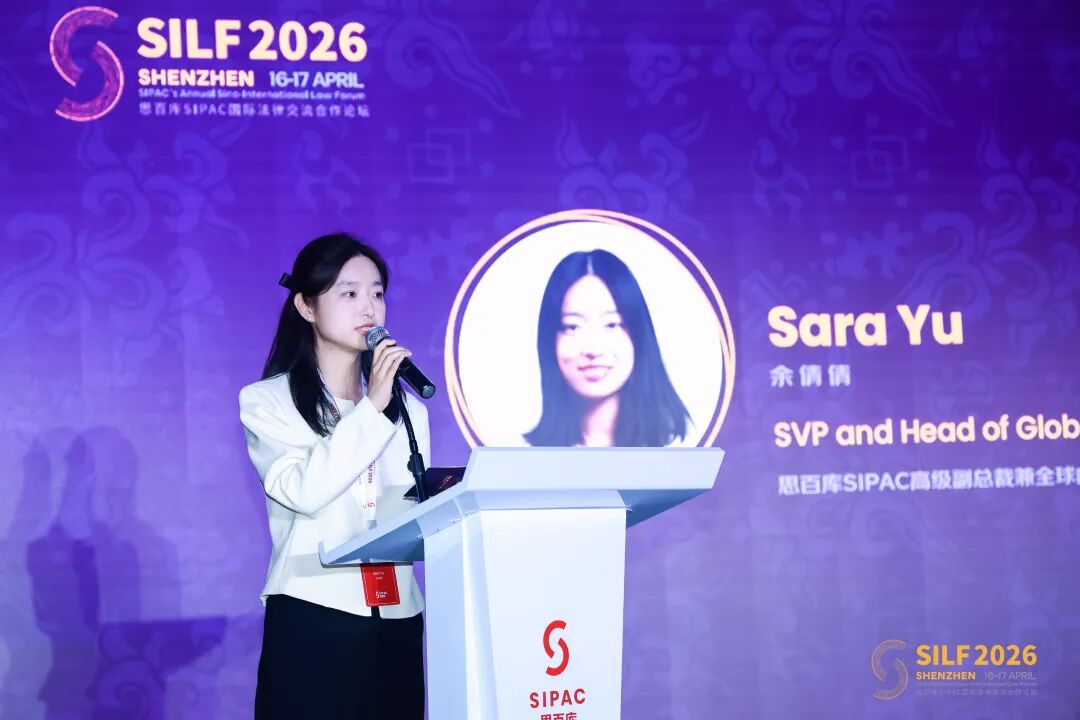
The afternoon session of Day 1 of the Forum was hosted by Sara Yu, Head of Global Content for SIPAC.
Opening remarks – Shenzhen Court of International Arbitration
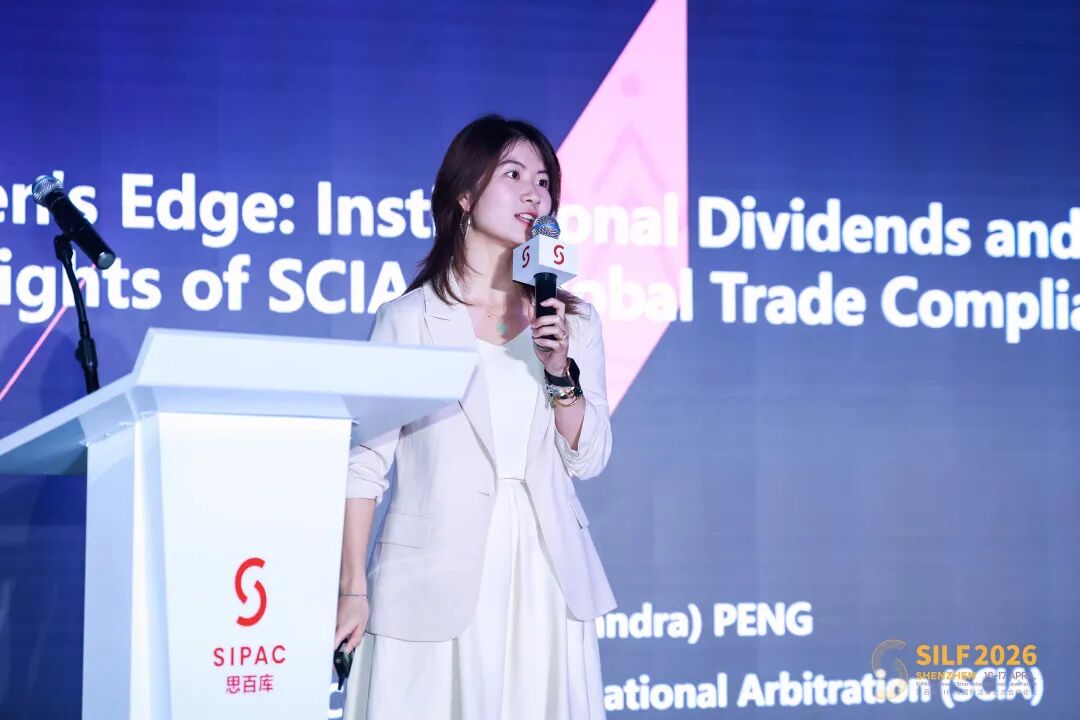
We were honored to have Sandra Peng, Deputy Legal Counsel from the Shenzhen Court of International Arbitration (SCIA), provide opening remarks for the afternoon session. The SCIA has been the host for the Shenzhen leg of all of the SIPAC roadshows over the last year, and the SCIA venue has earned unanimous favorable reviews from all of our participating SIPAC members. Sandra gave the foreign delegates a valuable introduction to Shenzhen as China’s most dynamic technology and economic center. She also provided more background on the roles and contributions of the SCIA as the foremost international arbitration platform serving this incredibly energetic market.
The remainder of the afternoon session consisted of a series of panel discussions.
Panel 1 – Unique global legal services requirements of Shenzhen companies
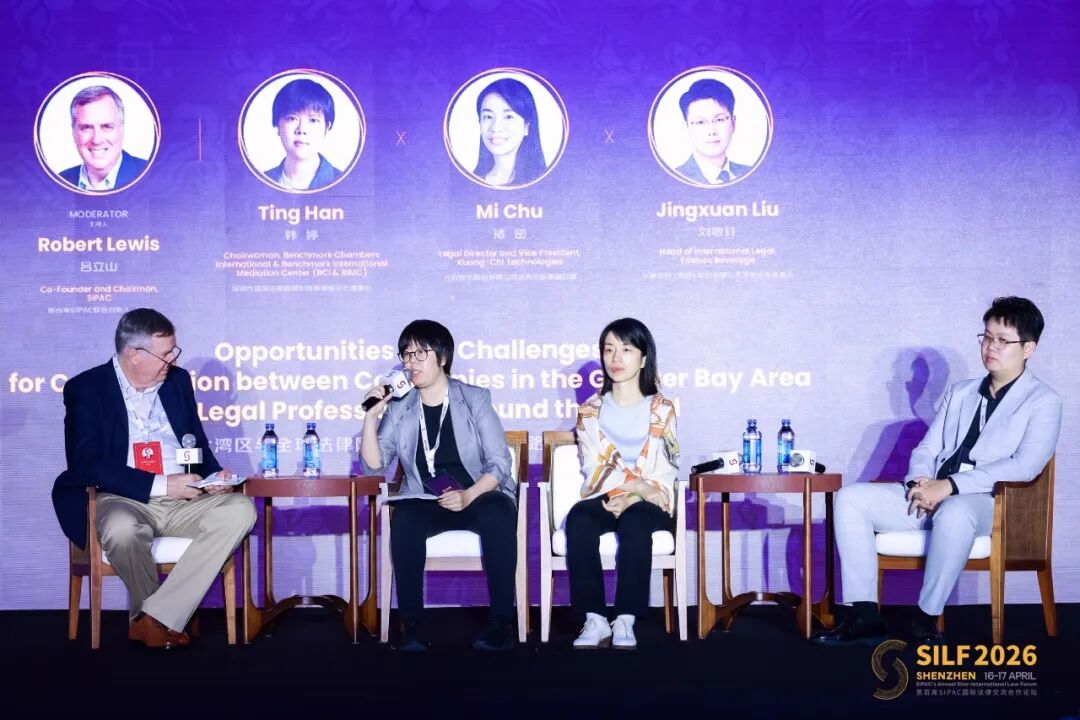
The first panel was organized by the Shenzhen Corporate Counsel Association, co-organizer of the Forum, who invited the following panelists: Mi CHU, SVP Legal for Kuang-chi Technologies, which invests in metamaterial, telecommunication, aerospace, smart-city, AI and digital health technologies; Jingxuan LIU, head of international legal affairs for Eastroc, a leading beverage company; and Ting HAN, Chairperson of Benchmark Chambers International & Benchmark International Mediation Center.
This panel was once again moderated by SIPAC Chairman Robert Lewis, and the discussion focused on what legal support Shenzhen companies require as they expand abroad. Kuang-chi represented high-tech companies from Shenzhen, while Eastroc represented players in more traditional business sectors. Benchmark provides international comparative law reports for companies from all sectors, so was in a position to provide an even more comprehensive overview of what Shenzhen companies require in this regard. The panel agreed that more practical legal training and know-how resources would be highly valuable in the Shenzhen and Greater Bay Area market, something that aligns well with SIPAC’s existing vision and approach.
Panel 2 – SIPAC Global Externship Project
SIPAC recently kicked off a trial program involving several of our CEE member firms as host firms that will receive Chinese lawyers on an externship basis for one, two or even three to four months.
To introduce this new externship initiative, we were pleased to invite several key participants in the trial program to join us on stage to discuss how the program works and what each side hopes to gain from this arrangement.
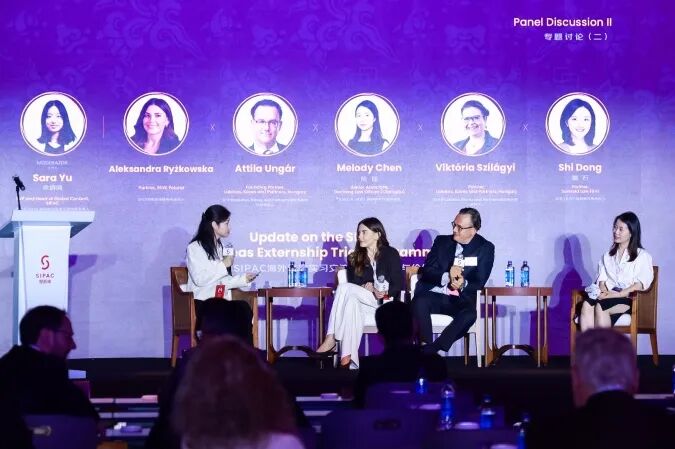
The panelists included Aleksandra Ryżkowska, SSW, SIPAC member firm for Poland; Attila Ungár, Lakatos, Köves and Partners (LKT), SIPAC member firm for Hungary; Melody Chen, of Dacheng Law Offices; and Shi DONG, of Sunhold Law Firm, who joined by video from Budapest, together with Viktória Szilágyi of LKT, since Shi had just arrived in Hungary to start the first part of her externship. This panel was moderated by Sara Yu of SIPAC.
Sara first provided an overview of the externship arrangement, which is quite simple and straight-forward: the host firm is responsible for providing free accommodation for the participating Chinese lawyers, but otherwise, this externship arrangement is self-funded, meaning the participating Chinese lawyer pays for travel costs and other living expenses. There are no additional fees for the host firm. Sara also shared a slide showing the participating host firms and externs and the dates they will be in each location as part of this initial trial program.
It happened that all of the panelists would be working together at some point during this trial externship project, so this made it quite easy for the panelists to have an open and frank conversation about why this arrangement was attractive to each side, what they hope to get out of this arrangement, and how they are structuring this externship in order to achieve the highest value.
In sum, the Chinese lawyer externs were attracted by the opportunity to learn more about the local market in the host firm jurisdictions and gain more exposure to international legal practice. From the perspective of the host firms, they wanted to have input from the externs on how to improve pitches to Chinese clients and also to help identify and connect with managers in the local subsidiaries of Chinese companies in the host firm jurisdiction. The externs will also be able to shadow experienced practitioners in the host firms, but should also have time to stay connected with their existing clients and practice in China when not otherwise occupied on matters with the host firm.
When asked which of the SIPAC member firms in the audience would be interested in hosting a Chinese extern in the future, there was a unanimous show of hands. The response to the question as to which Chinese firms and in-house teams in attendance would find this type of arrangement of interest was equally enthusiastic in the affirmative. Accordingly, this is also being added to the SIPAC work plan for the coming months!
Panel 3 – Update on SIPAC content cooperation with Wolters Kluwer China
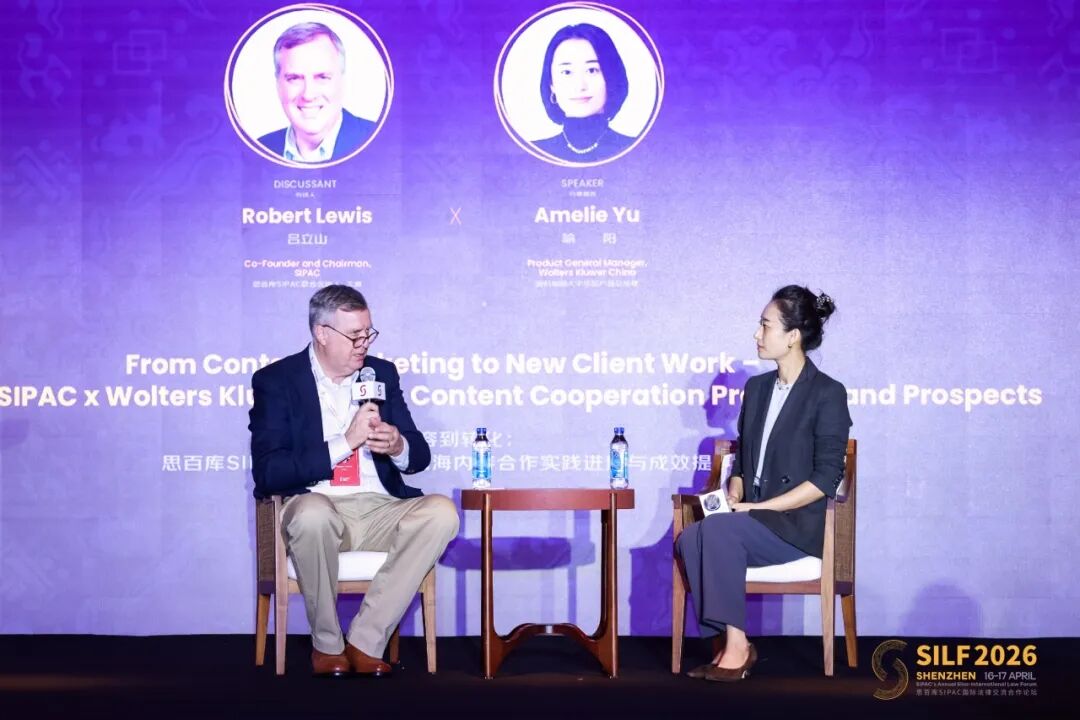
This panel consisted principally of a presentation by Amelie Yu of Wolters Kluwer China followed by a short Q&A session with SIPAC Chairman Robert Lewis.
Amelie first made a presentation on the status of the Wolters Kluwer outbound content package to which SIPAC has contributed. Wolters Kluwer China has been a leading provider of bilingual laws and regulations database content in the China market since 1985 and serves more than 10,000 institutional clients.
The outbound content cooperation with SIPAC has only been on the market for about 6 months, but has already achieved significant market penetration, and Wolters Kluwer China has identified this outbound content package as a key focus for future growth, with the intention that this will become the primary resource for international legal know-how for all Chinese in-house counsel and law firm lawyers involved in outbound work.
In the brief Q&A session with Robert, Amelie further explained how they plan to make it easier for their users, which are primarily in-house legal departments in major Chinese companies as well as top law firms in China, to jump from the content to SIPAC so as to help close the “last mile” and help generate more high-value leads. To achieve this, in addition to prominently featuring all of the contact information for the SIPAC member firm contributing the content, Wolters Kluwer China proposes to add an “Ask an Expert” function to link to the SIPAC team so that SIPAC could then screen the enquiries and direct users to the firm providing the relevant content, as appropriate. This was actually a feature which the Wolters Kluwer China team had suggested originally and which has been referenced in the SIPAC membership agreements.
In addition, Robert and Amelie talked about how other SIPAC-generated content, including legal skills training and roadshow and webinar presentations, could also be incorporated into the outbound content database in the future, since such content supplements the written content already being included in the database. Ideally, it will also be possible for users to be given notice of upcoming training events, webinars and roadshows which may be of interest, so that we can generate further engagement with ultimate clients to build the SIPAC brand and create closer ties for purposes of future work cooperation.
Overall, the future looks very bright indeed for the content marketing collaboration between SIPAC and Wolters Kluwer China.
Panel 4 – Update on the SIPAC International Legal Affairs Management Training Program
Over the last year, we at SIPAC have engaged in hundreds of conversations with top Chinese lawyers and members of our SIPAC community outside of China to identify common pain points and potential solutions so we can improve the cross-firm collaboration process in connection with China outbound legal matters. It became apparent from these conversations that there was a need to have our friends in the China legal profession share their perspectives on what we could do better as foreign local counsel when working for Chinese clients. At the same time, it was clear that it would be helpful for our members and friends around the world to share with our Chinese counterparts what they can do to help us do our job better. Consequently, this training course was designed very much as a two-way conversation.
Many of these points were distilled into a 3-part training course, totaling 15 hours of class time, on how to manage the role of lead counsel on the part of Chinese lawyers. In connection with this training course, SIPAC Chairman Robert Lewis had the privilege of conducting in-depth interviews with more than 30 top lawyers from China and abroad to collect a variety of viewpoints on specific pain points. These viewpoints were shared via pre-recorded video interviews as part of the training course.
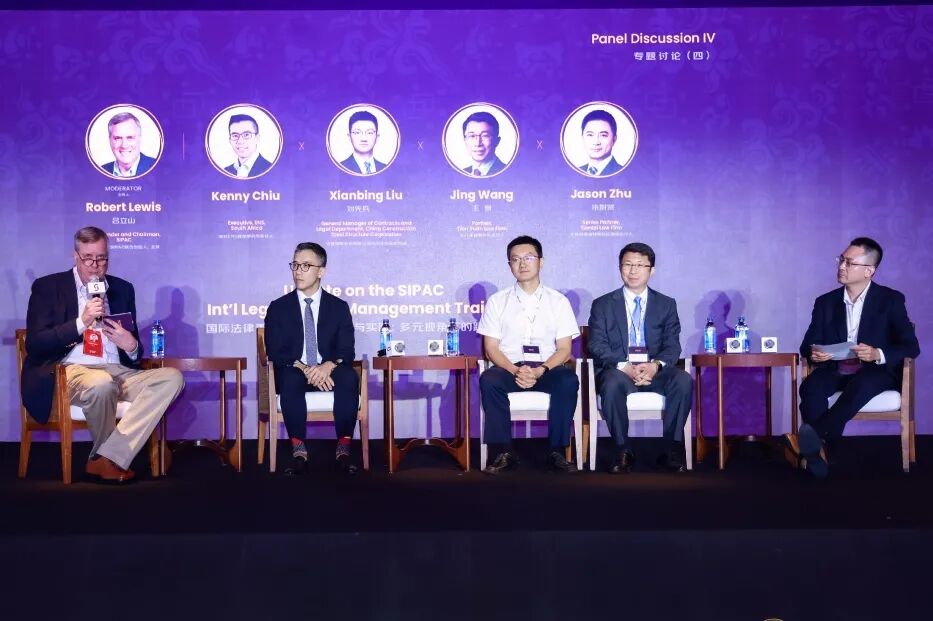
This panel consisted of some of the participants in the initial training course, specifically, Jason Zhu, a partner in Tiantai Law Firm, who was a member of the first class of students in the initial course (all of whom were experienced law firm partners); Jing WANG, a partner with Tian Yuan Law Firm, who had worked many years in major international law firms, and who was a member of the China faculty; and Kenny Chiu, from ENS, the SIPAC member firm for South Africa, who was a member of the international faculty. In addition, we invited Xianbing LIU, general counsel of China Construction Steel Structure Corporation, a subsidiary of CSCEC, to discuss whether some parallel training resources may be helpful to in-house teams responsible for international legal affairs.
All of the panelists discussed the value proposition of this type of training from their different perspectives, and then engaged in a “lightning round” where each panelist was able to pose 1 or 2 short questions to another member of the panel. Most of the panelists from law firms wanted to take the chance to pose questions to Mr. LIU of China Construction Steel Structure Corporation. Questions ranged from whether in-house counsel preferred to work directly with foreign local counsel or work through China lead counsel (answer: the goal is for the in-house team to be able to be sophisticated enough to work directly with foreign local counsel, but that may take some time to develop the team sufficiently to do so effectively in all cases, so it is still preferred to work through China outside counsel) to how long it takes for the in-house team to process invoices for payment (confidential answer: surprisingly fast!).
This interaction among the panelists was a brief preview of the structure of the discussion groups organized for the afternoon of Day 2, which proved to be just as lively and more comprehensive given the additional time allocated for the Day 2 discussion groups in the open session. See below for more details.
Panel 5 – A look at legal AI tools and resources in China
As is the case everywhere, legal AI is a hot topic at legal conferences across China. We were very pleased to organize a special panel of top China AI experts as the concluding panel of our Day 1 program.
The panelists included Huandong GAO, Global General Counsel of Midea Group, one of the largest electronics/home appliances manufacturers in China, with operations around the world (Huandong recently joined Midea from Lenovo, where he was general counsel); Annie Ling, Partner and General Counsel of Micro Connect Group; Zhe LI, Legal VP of 37 Interactive Entertainment Group; and Jianyuan YANG, Partner at Haiwen & Partners. The panel was moderated by Pandison Pan, a legal AI expert and COO of Merits & Tree Law Offices.
The panel primarily discussed the following two questions: (1) What are some examples of successful use cases of legal AI solutions in your work, and what value has been created and what limitations still persist as a practical matter? (2) How can legal AI solutions move from being useful at the individual level to the team- or department-wide level, and what obstacles have you encountered in this regard?
This panel produced a very lively discussion, with several key points emerging. The panelists emphasized that legal AI is most effective when applied to specific, high-frequency tasks such as translation, contract review, legal research, regulatory tracking and knowledge management. They also noted that effective AI adoption depends on strong internal knowledge bases, clear workflows and human review to ensure accuracy and reduce hallucinations. Finally, the panelists agreed that AI should be embedded into team-level processes, rather than used only by individual lawyers on an ad hoc basis.
This panel provided a fitting conclusion to the Day 1 closed-door sessions and was a valuable precursor to the AI presentation set for the following morning as part of the Day 2 open session.

Evening | Networking reception
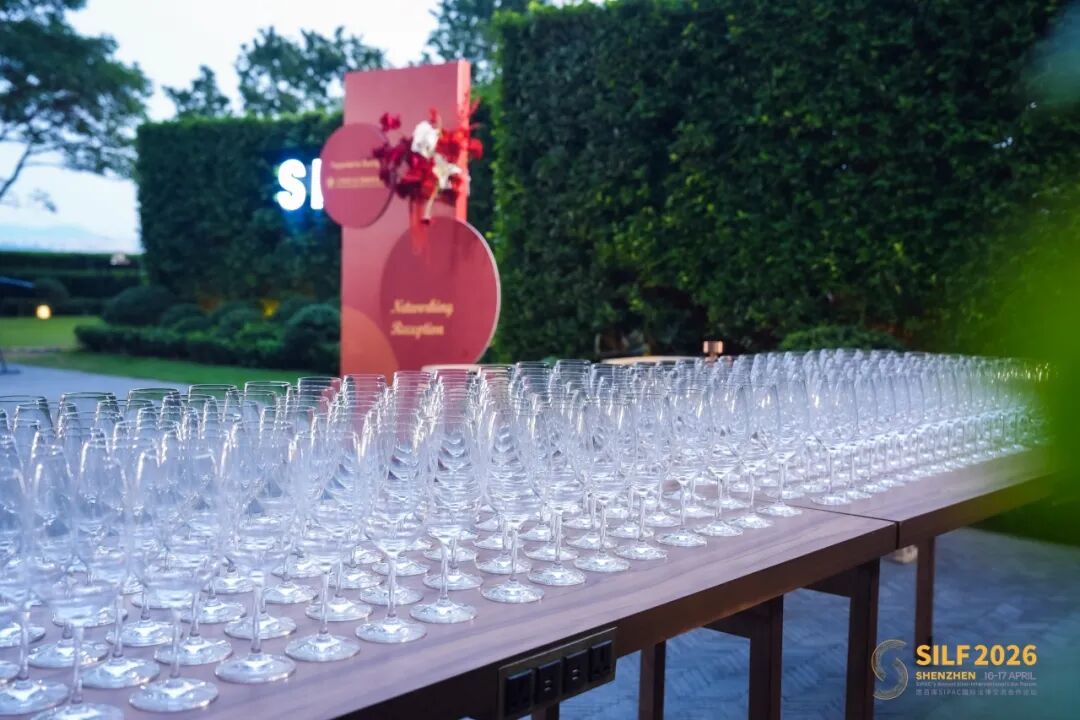
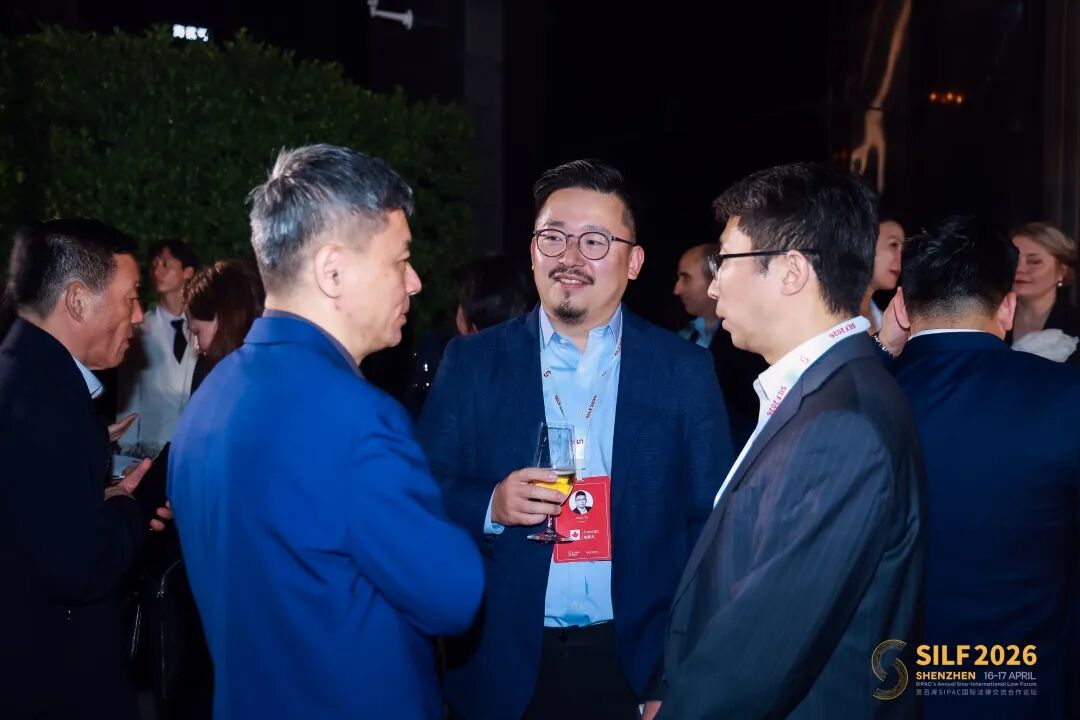
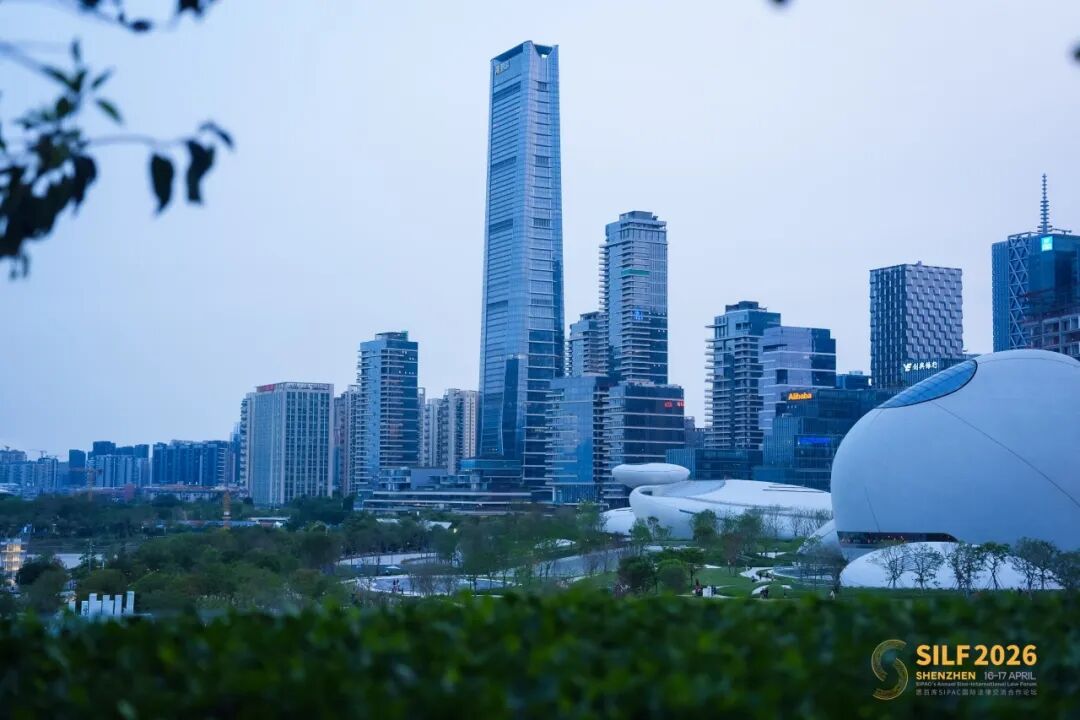
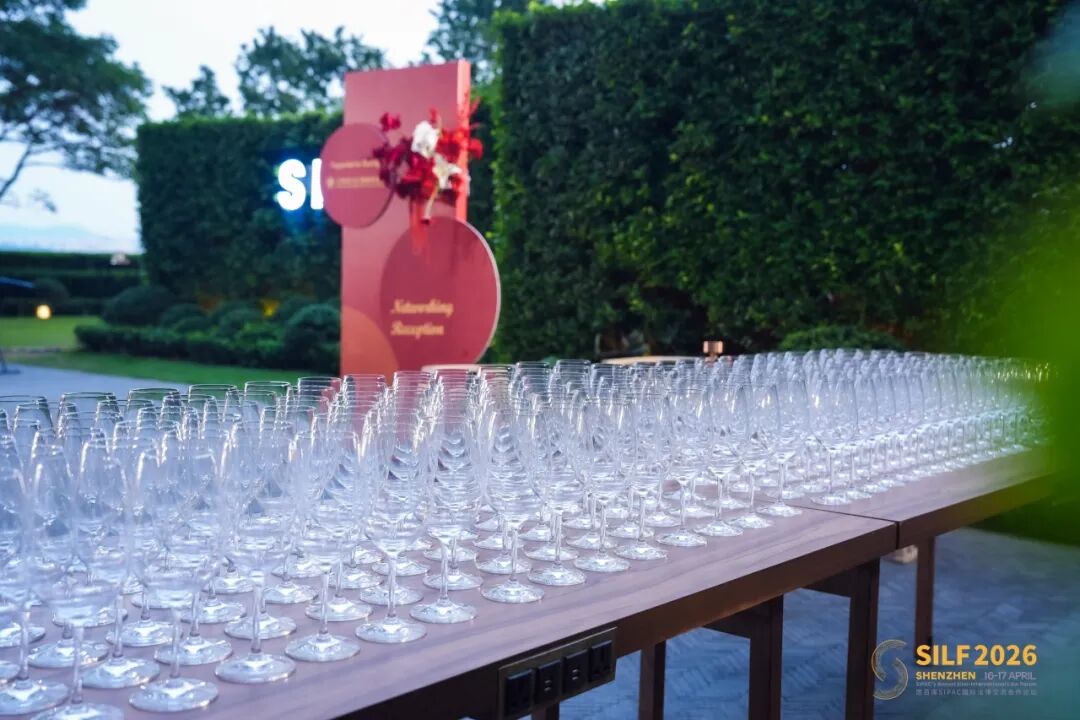
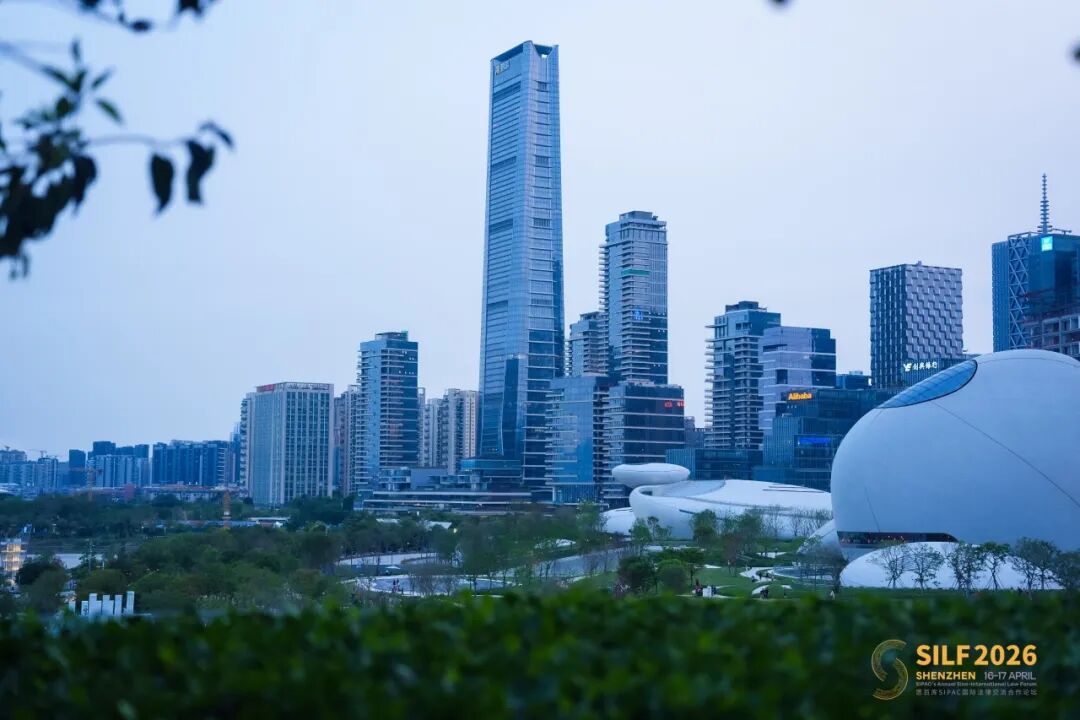
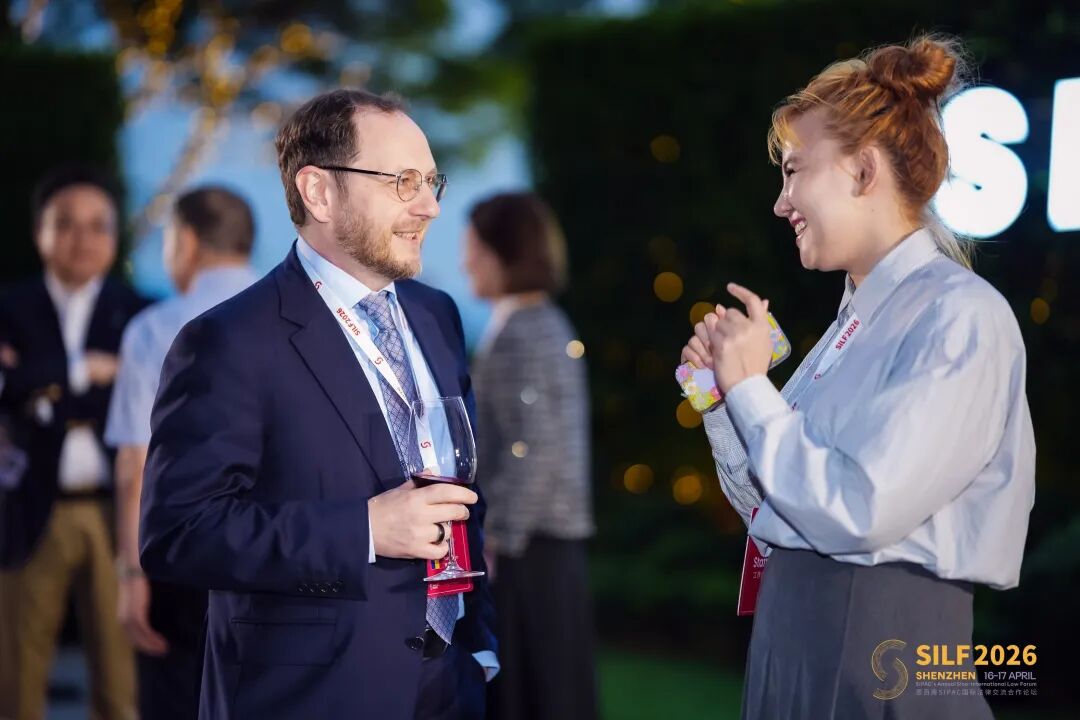
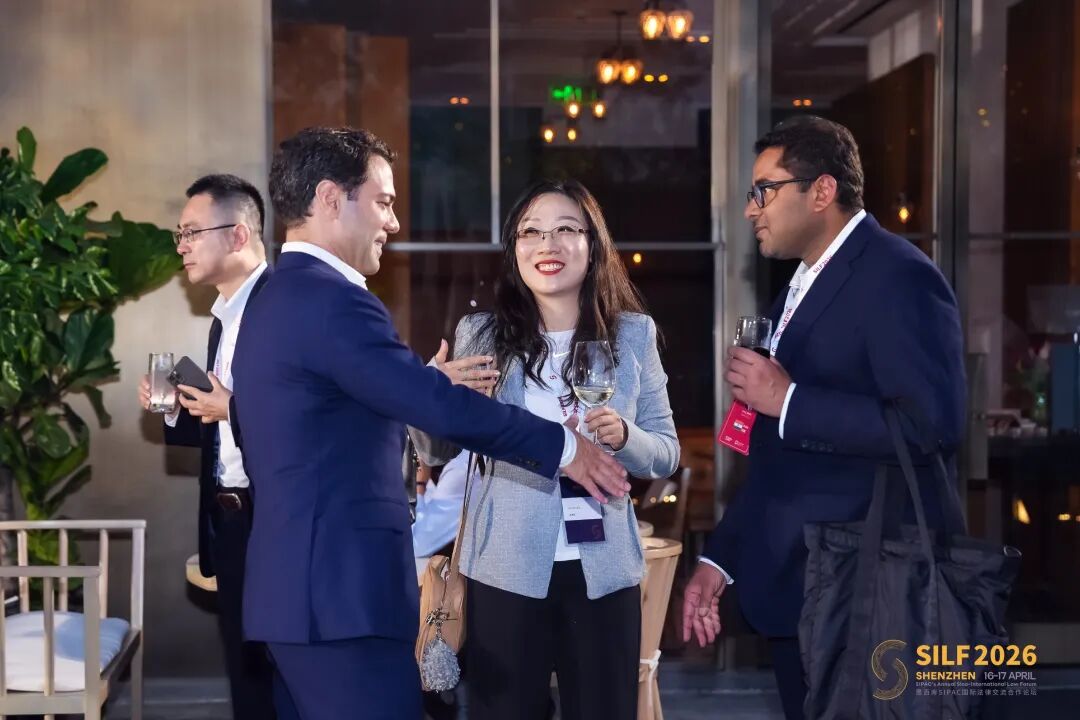
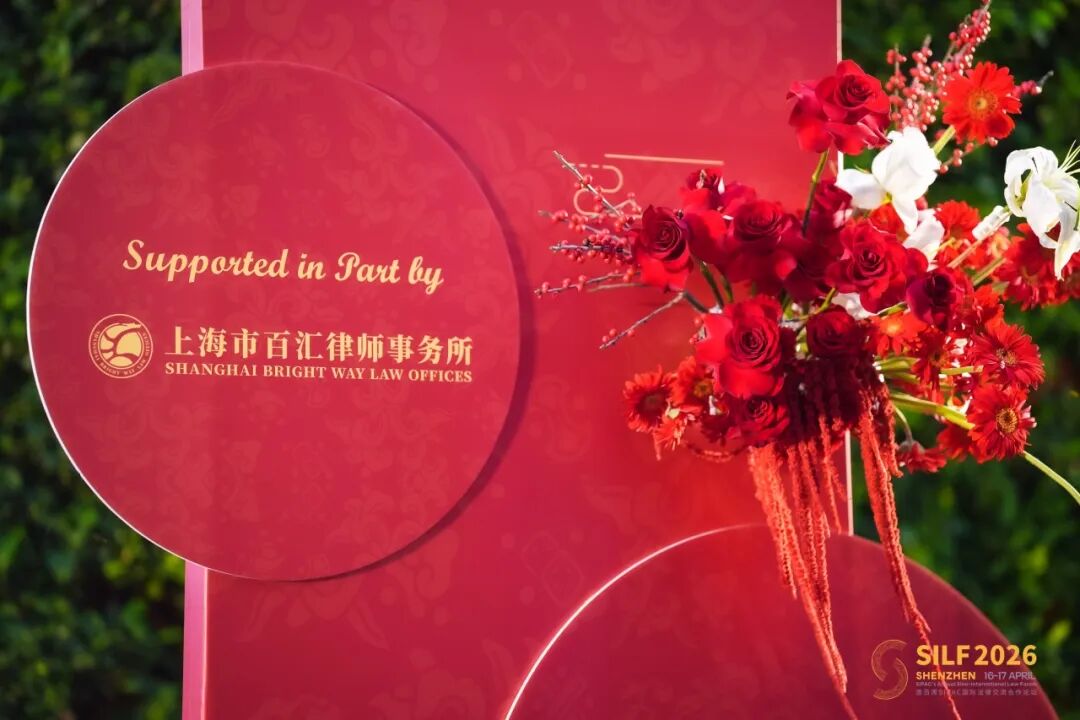
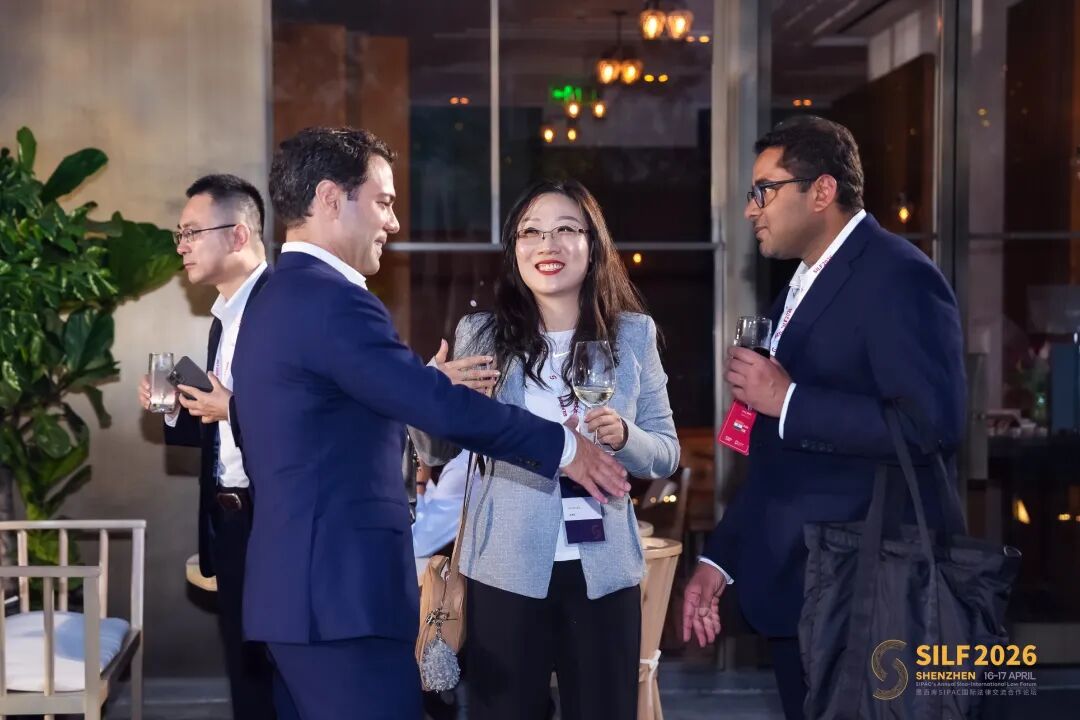
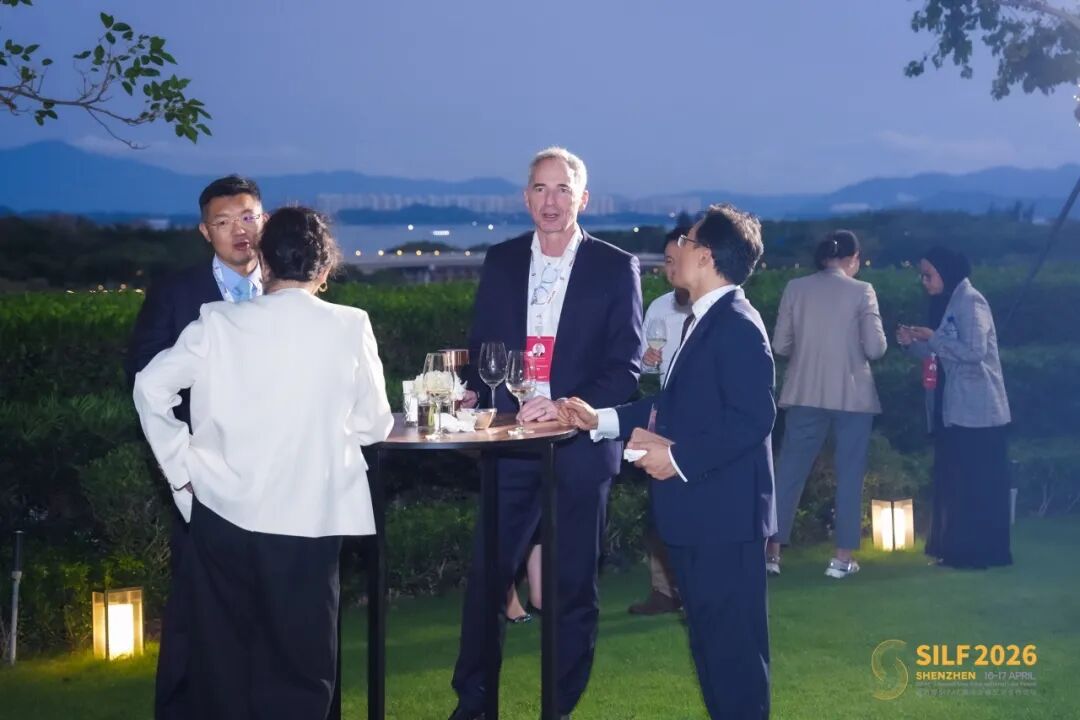
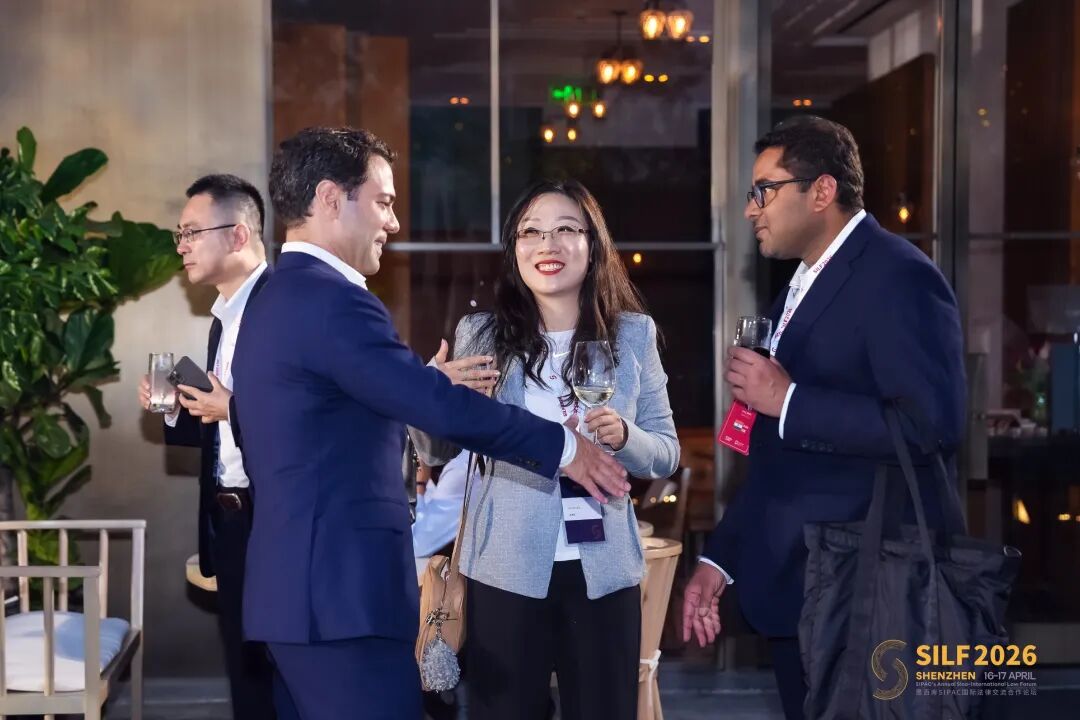
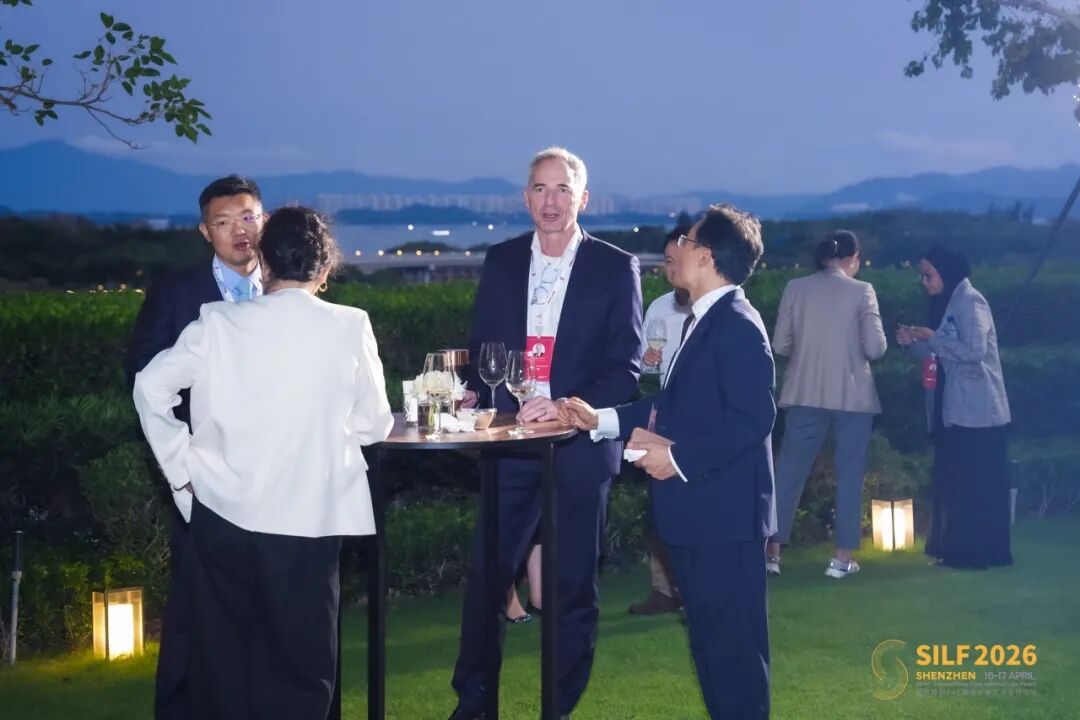
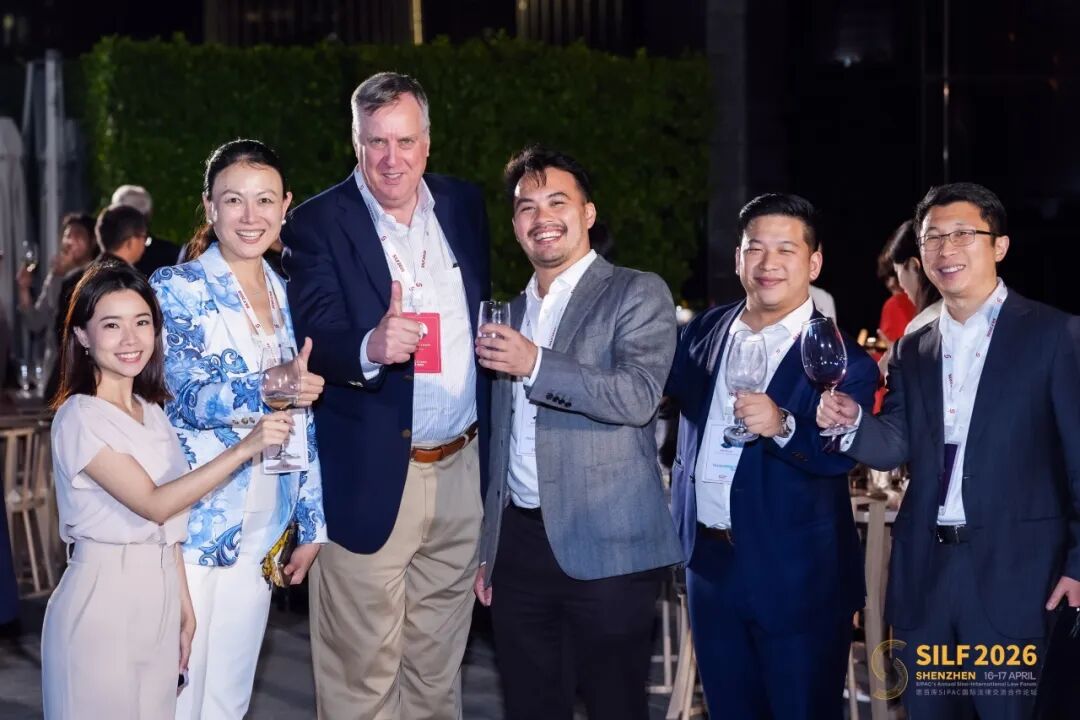
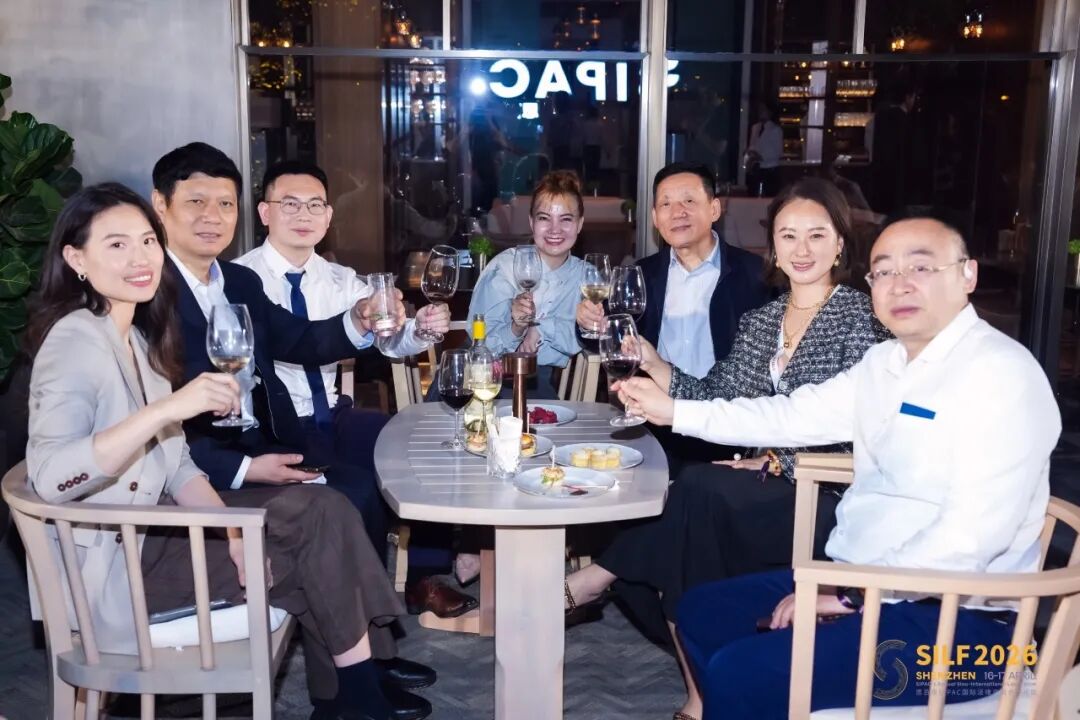
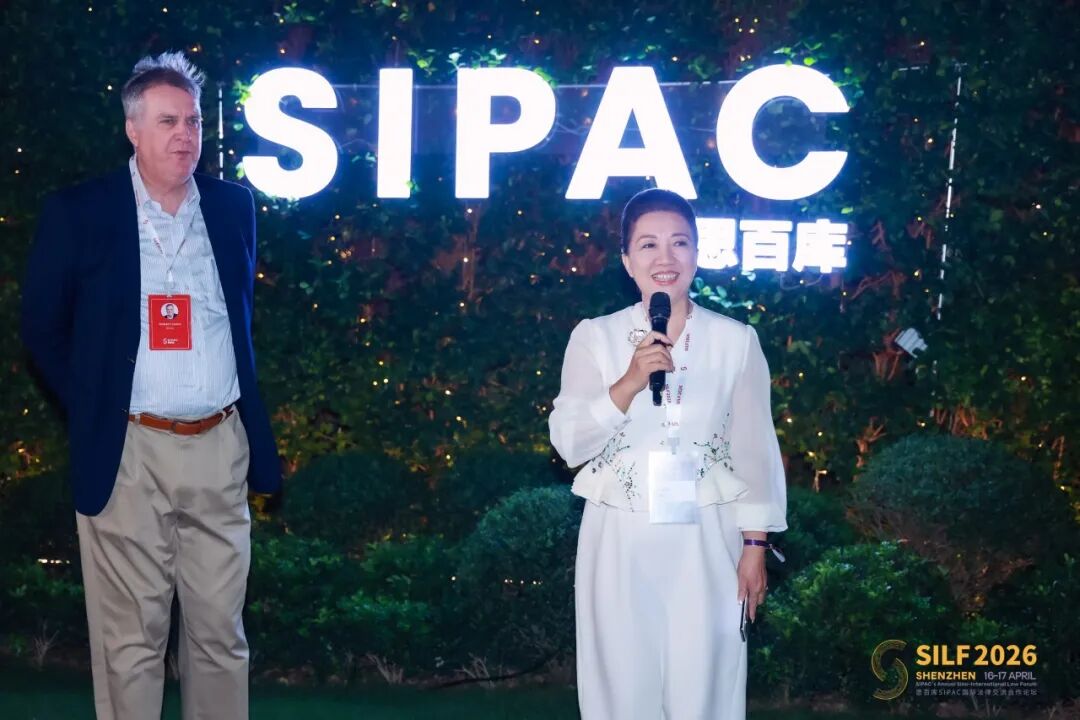
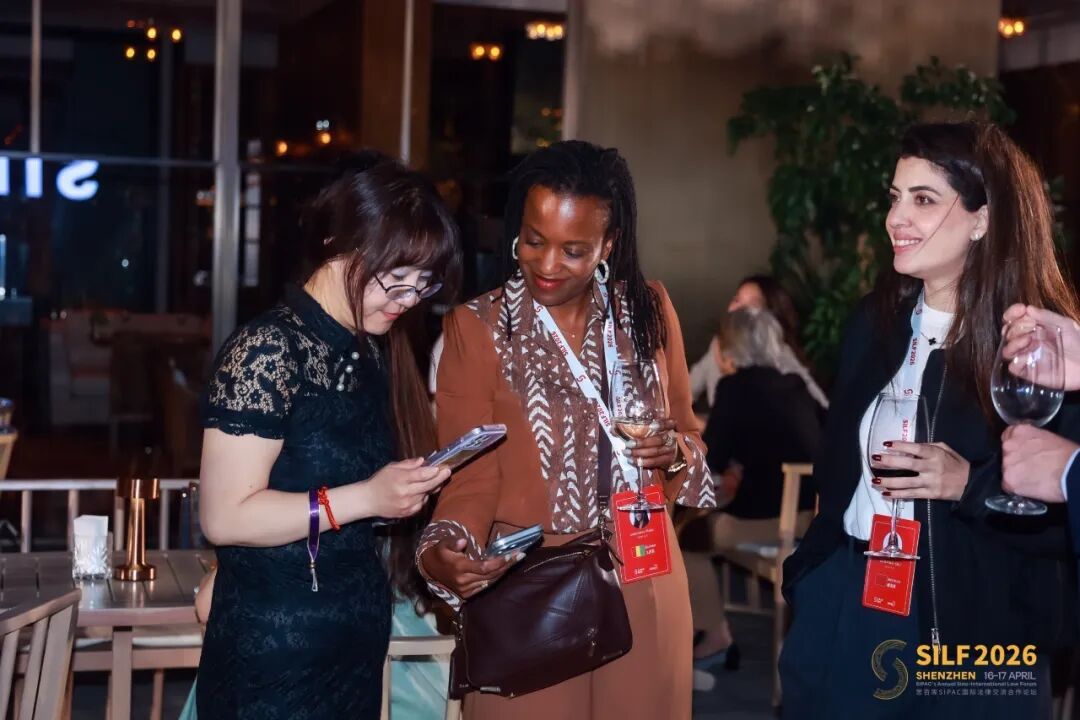
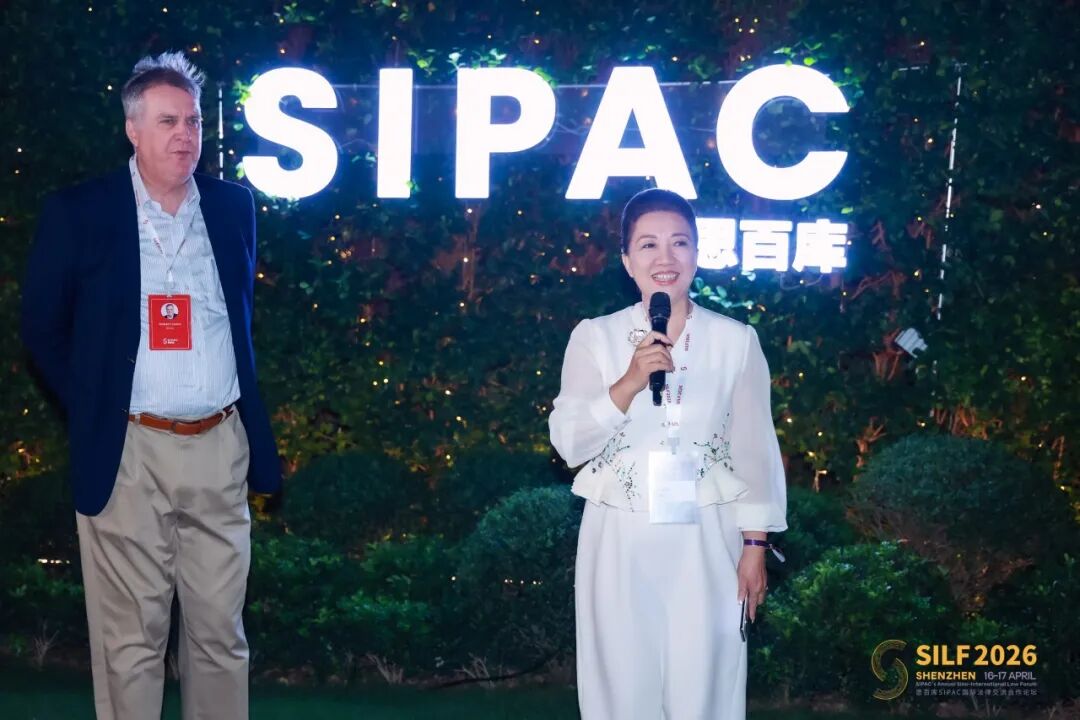
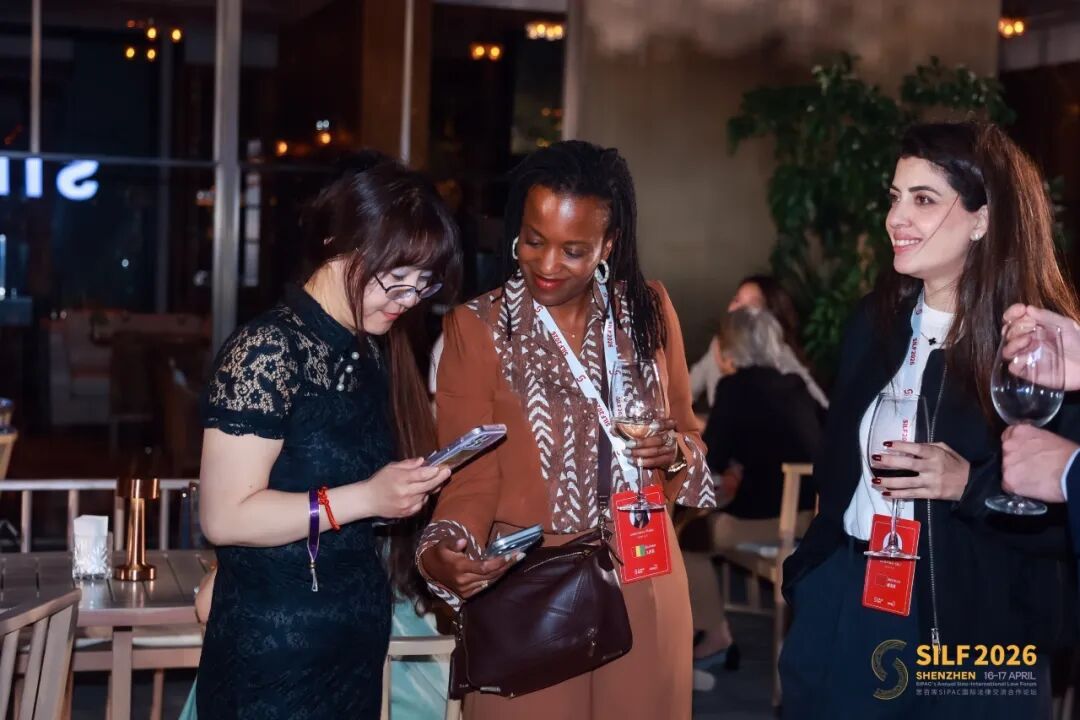
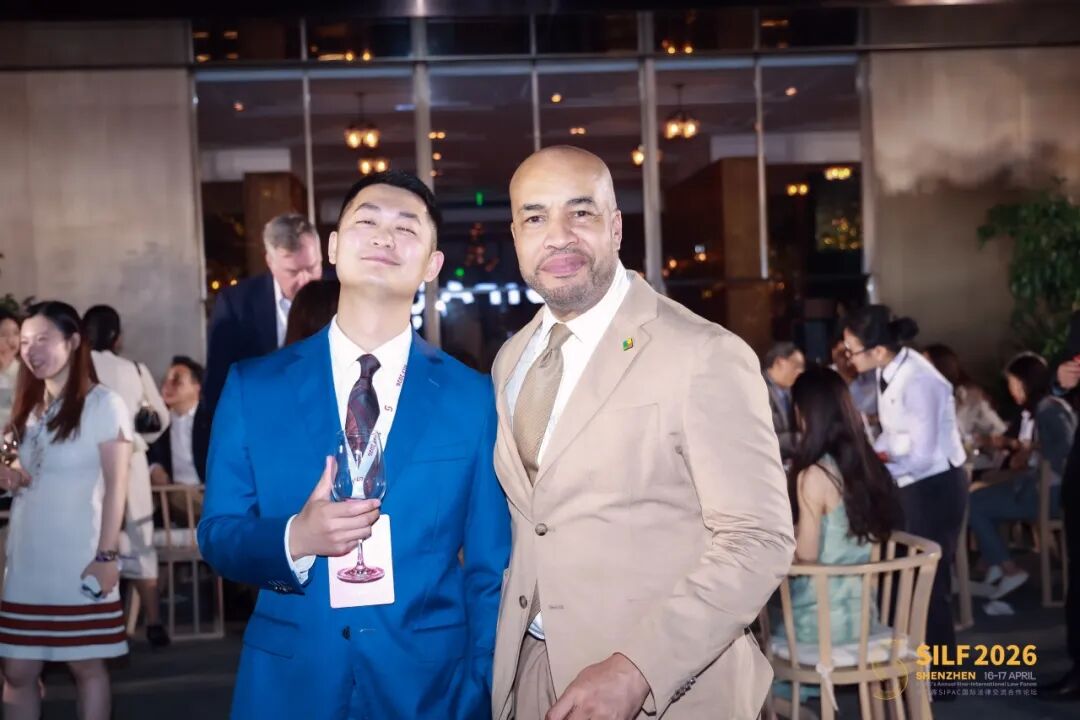
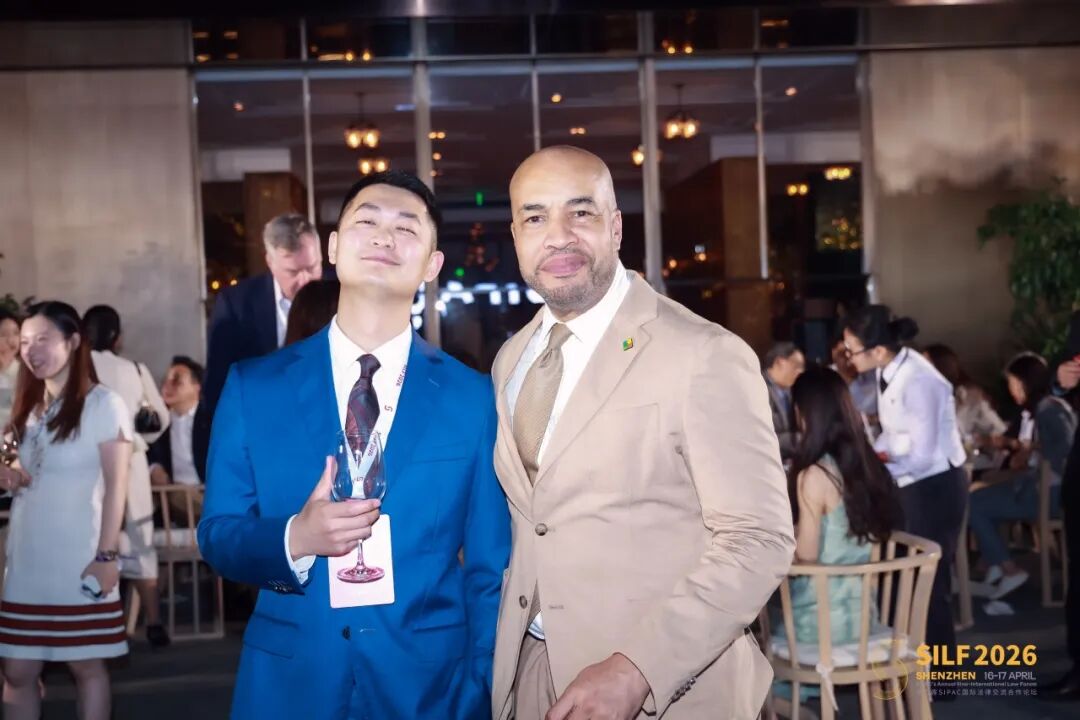
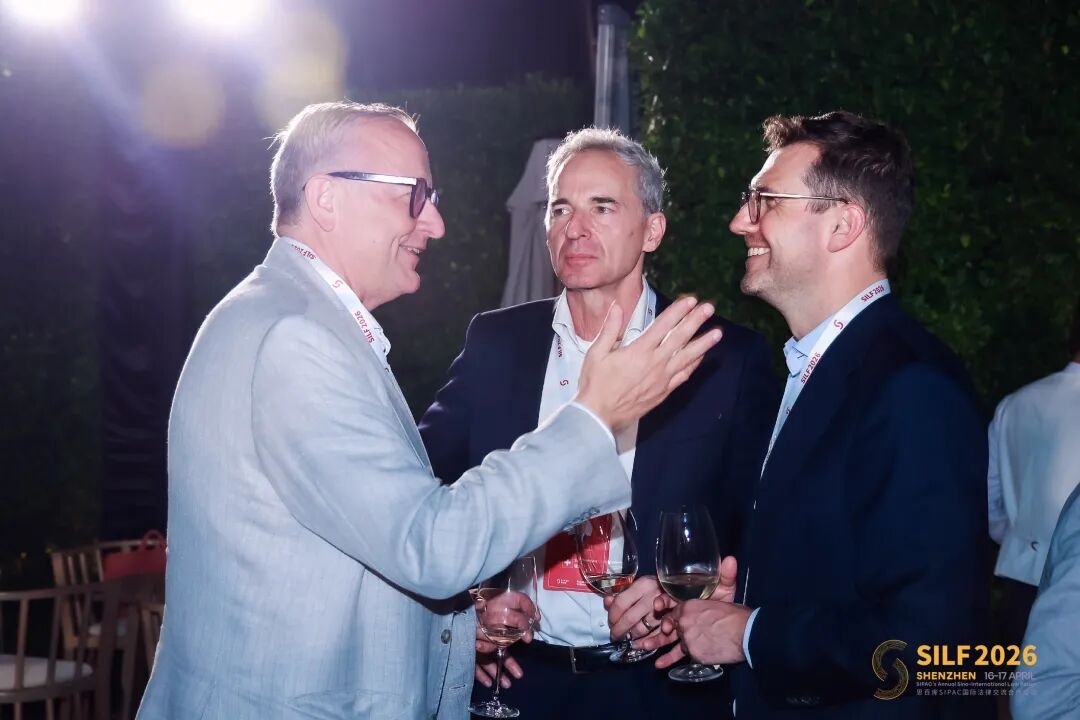
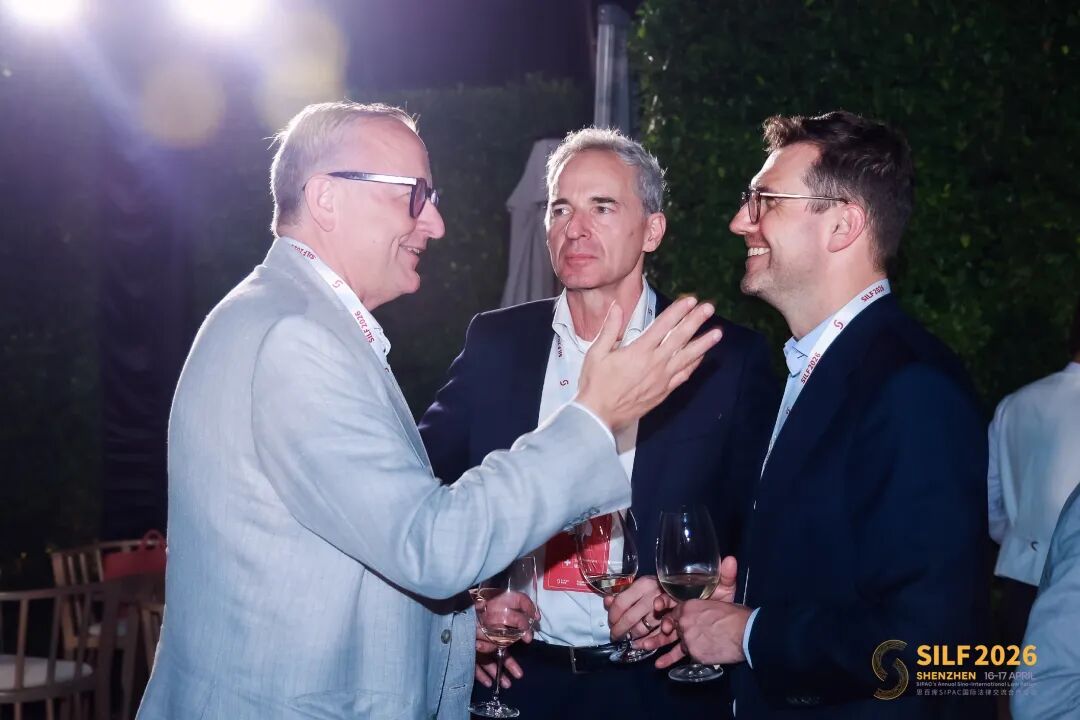
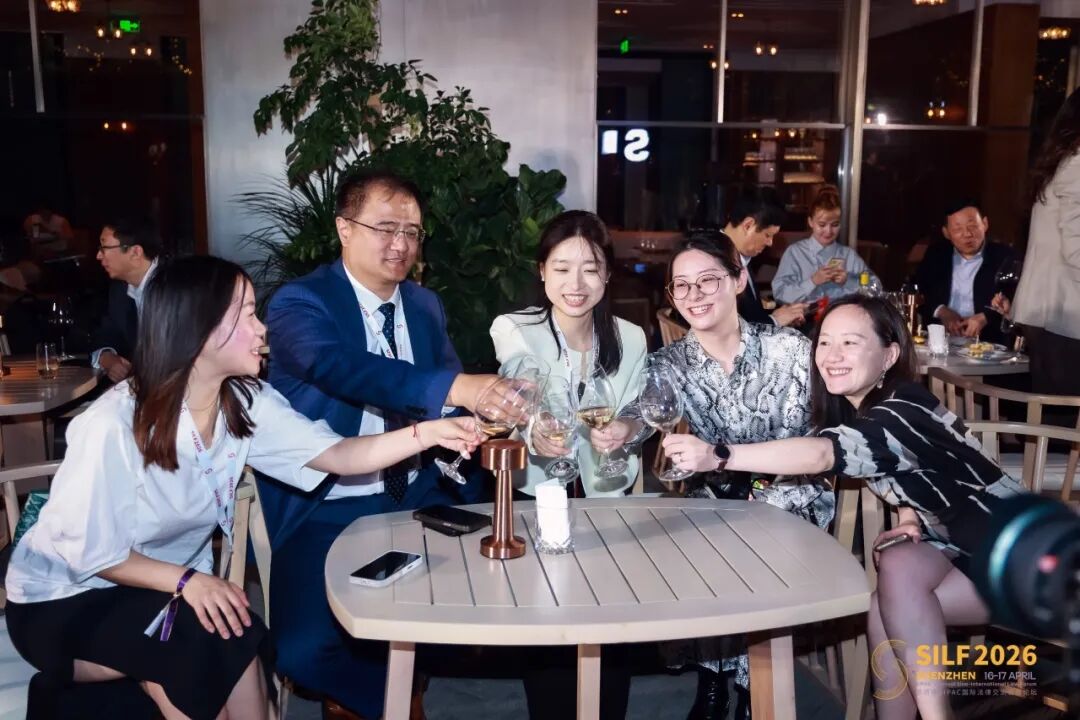
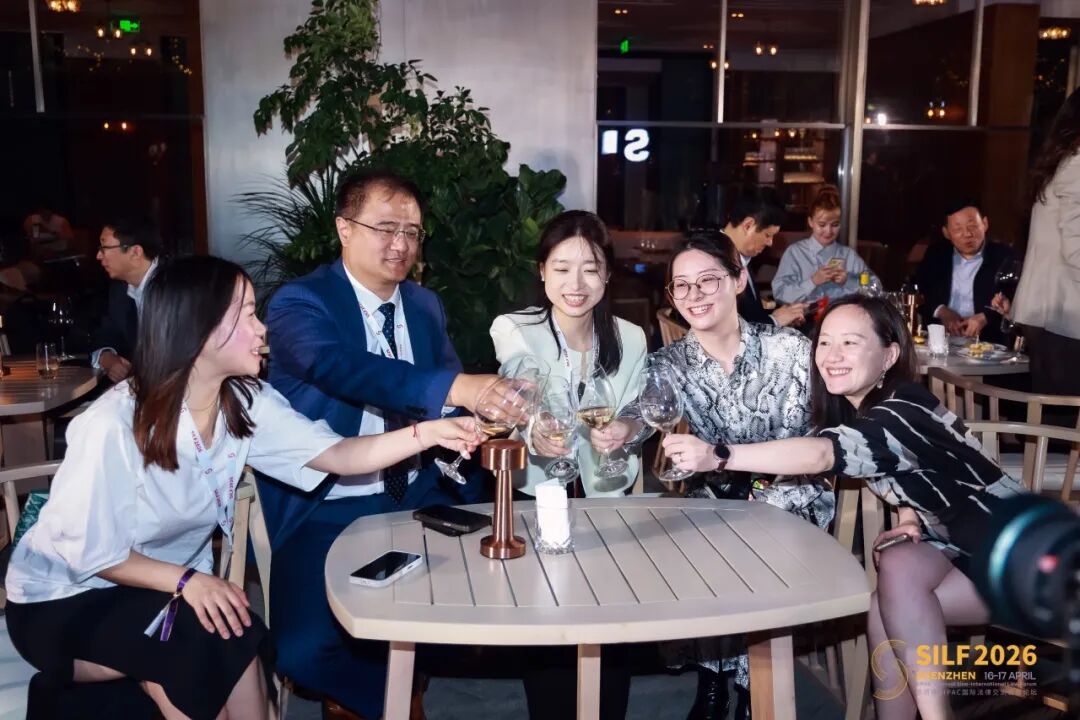
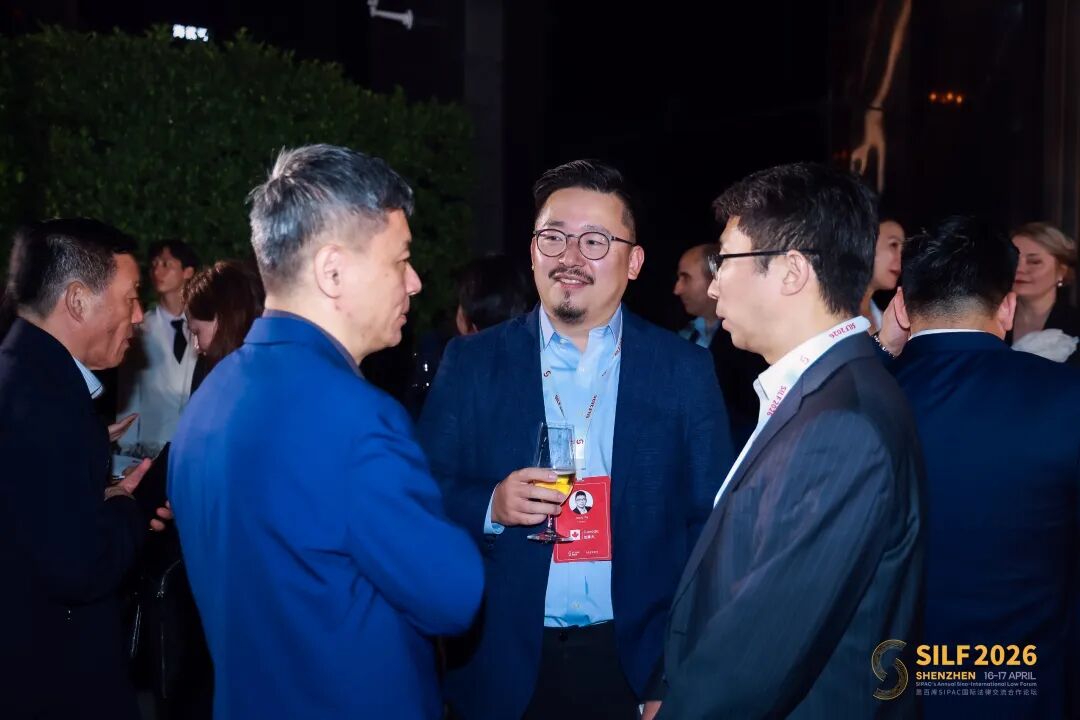
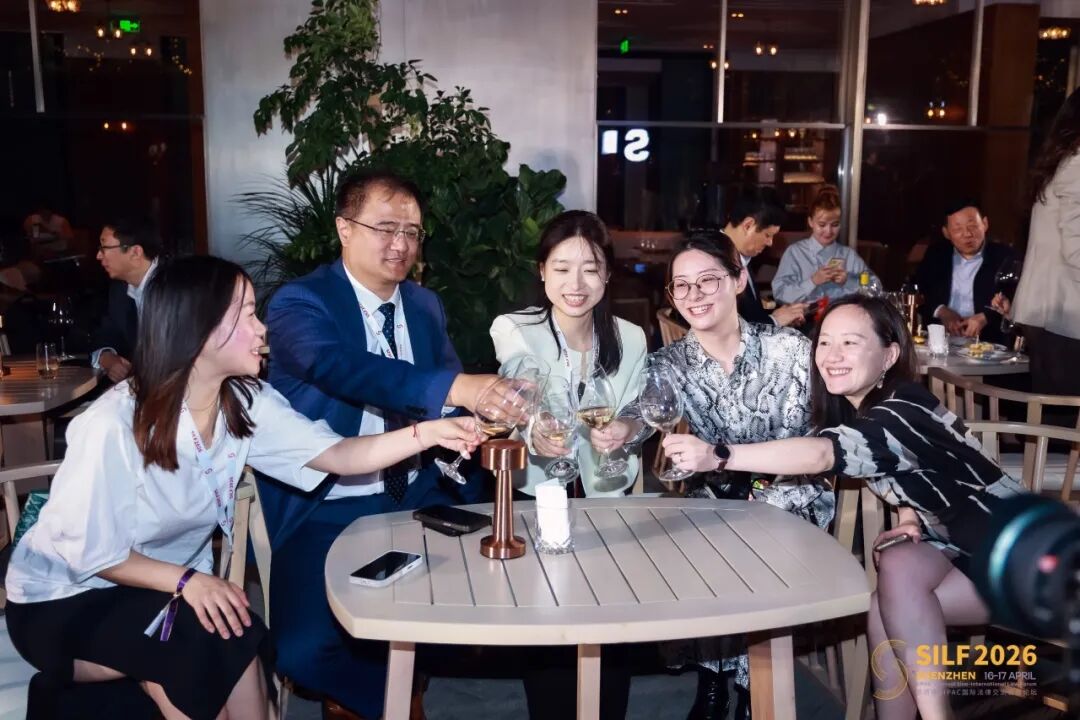
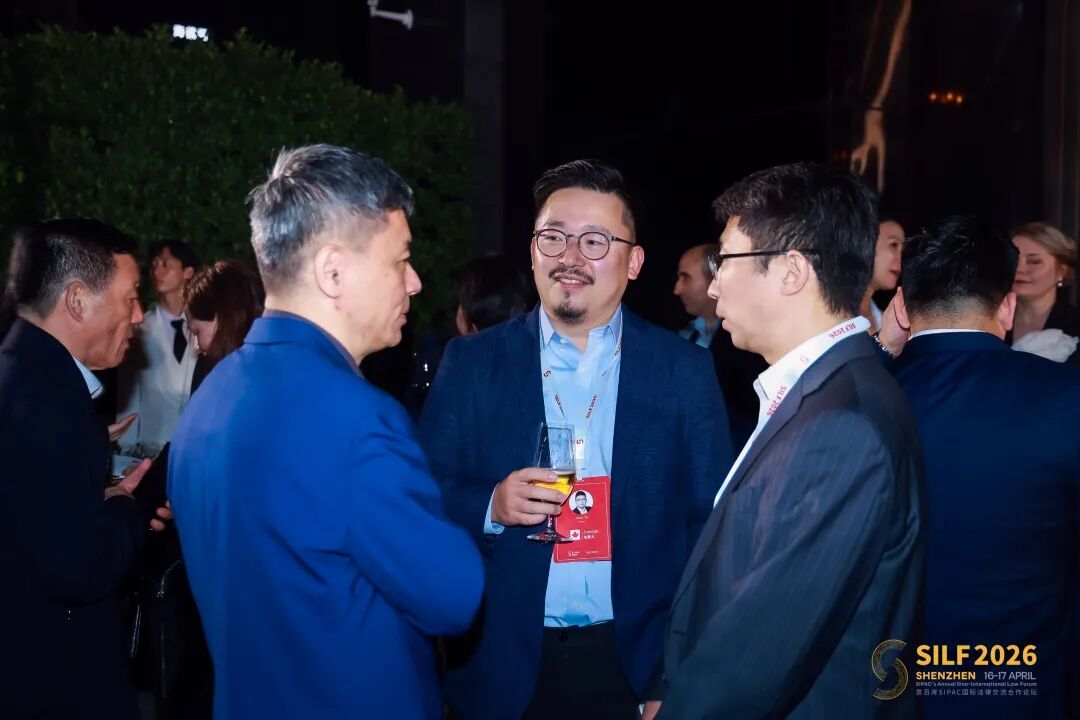
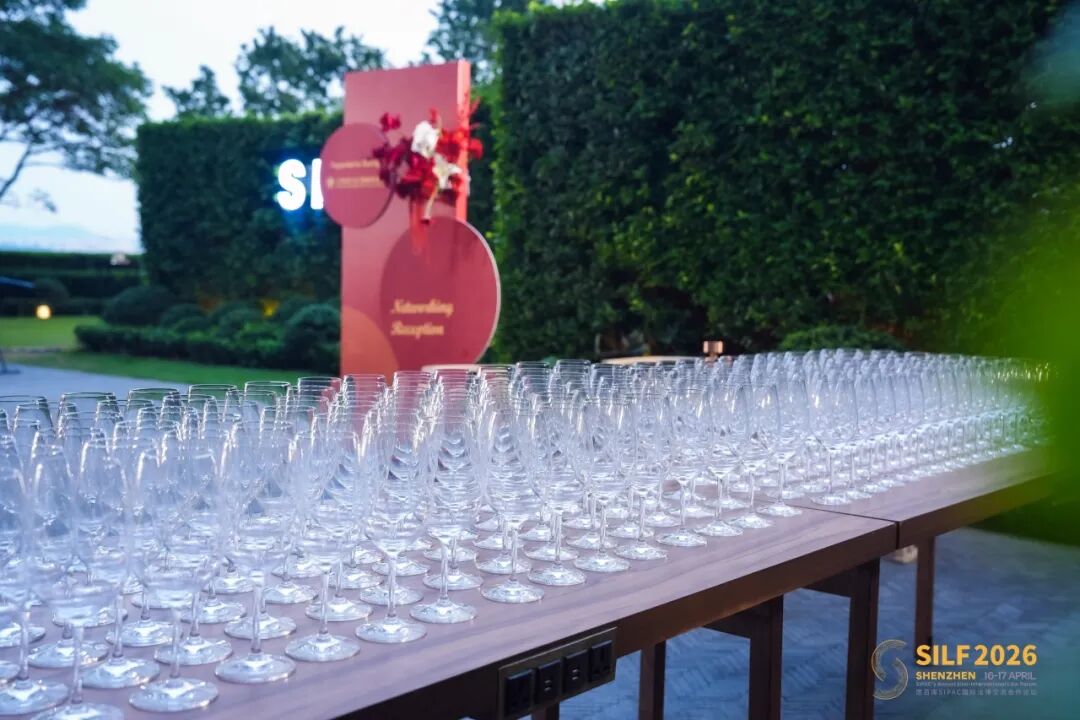
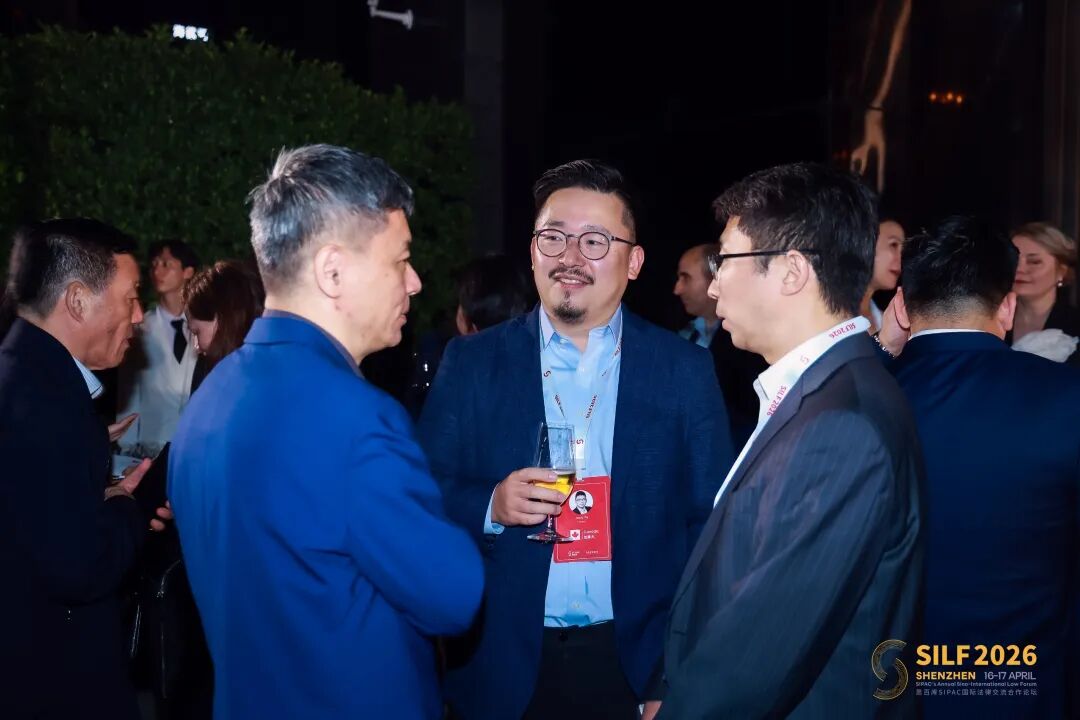
As a bridge between the Day 1 closed-door sessions and the Day 2 open sessions, we held a networking reception on the 6th-floor patio of the Andaz hotel, attended by all Day 1 delegates and many of the Day 2 delegates. The Day 1 networking reception was supported in part by Shanghai Brightways Law Offices.
Old and new friends from across China and around the world, lively music, good food, and a perfect Shenzhen evening – all made for a wonderful time for all!
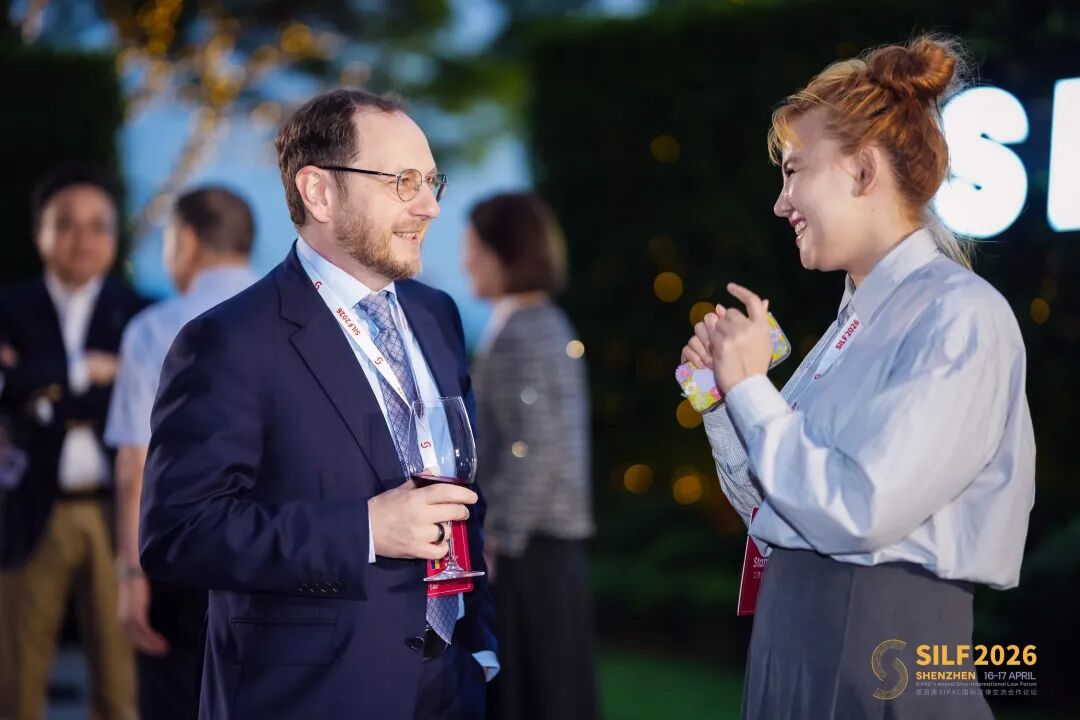

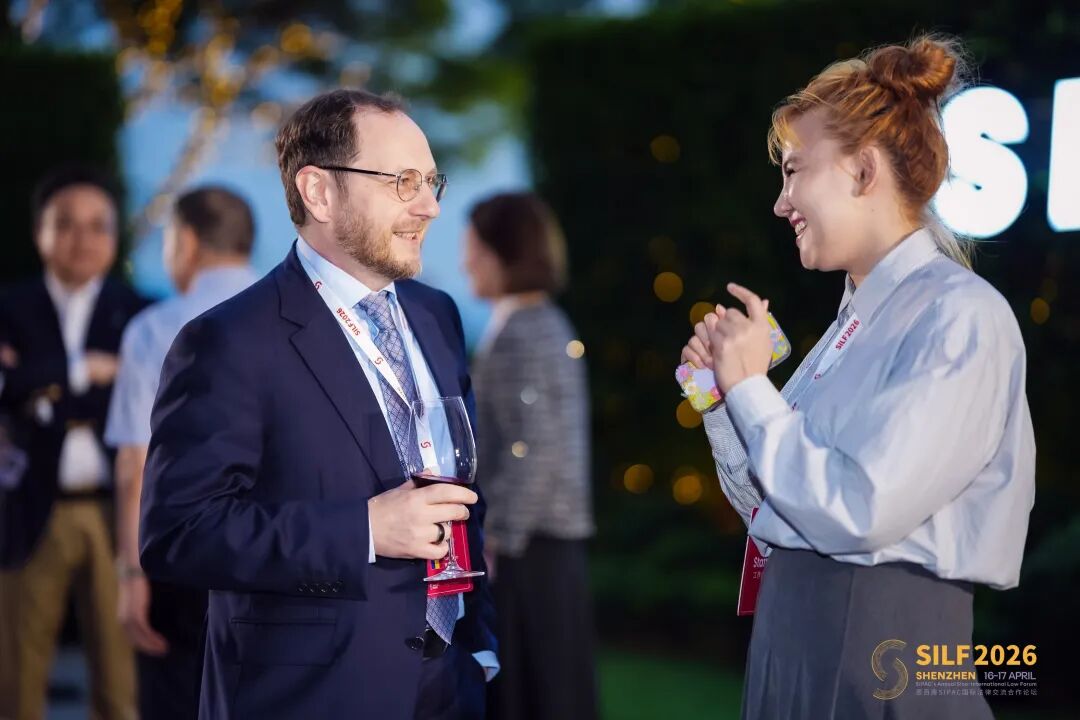

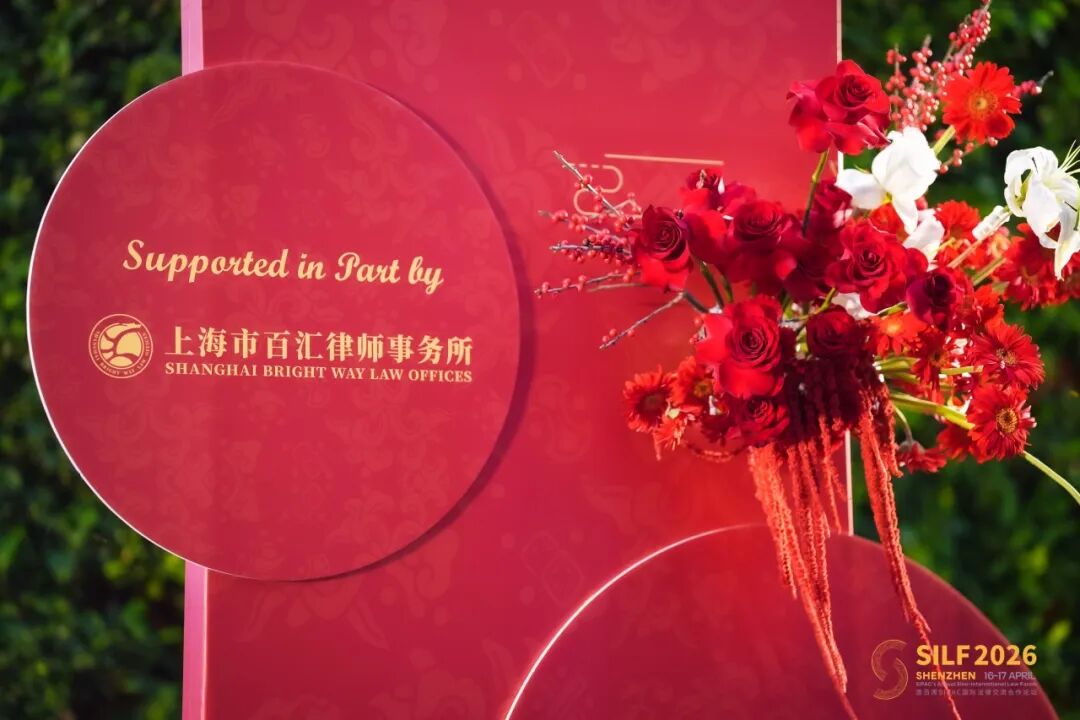

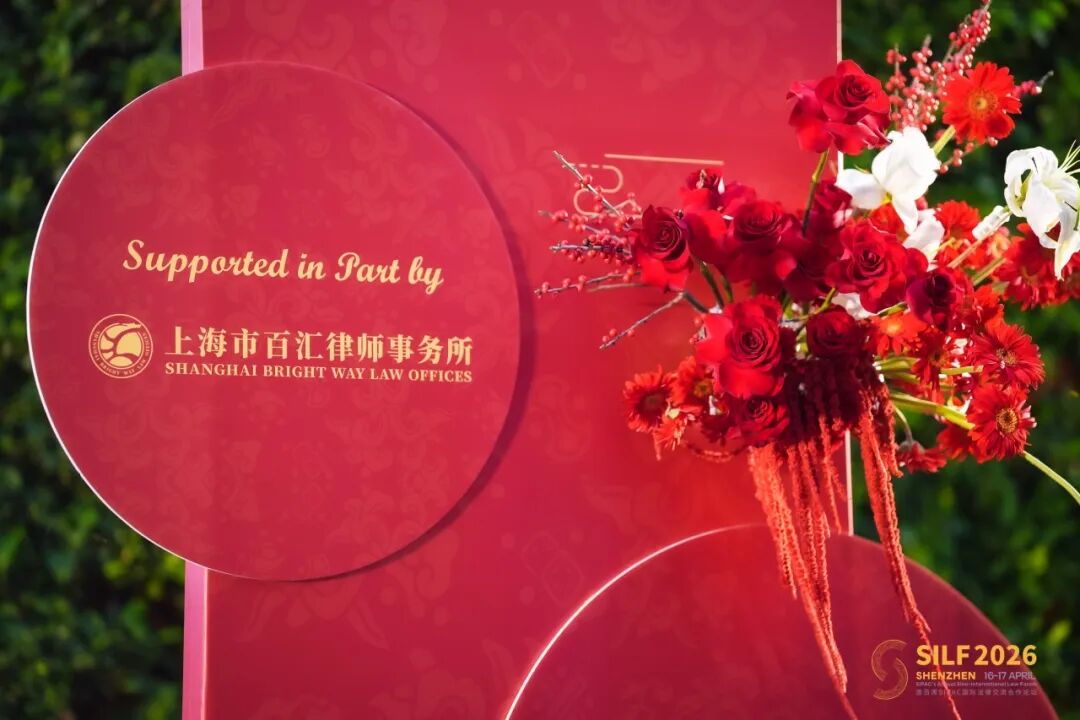
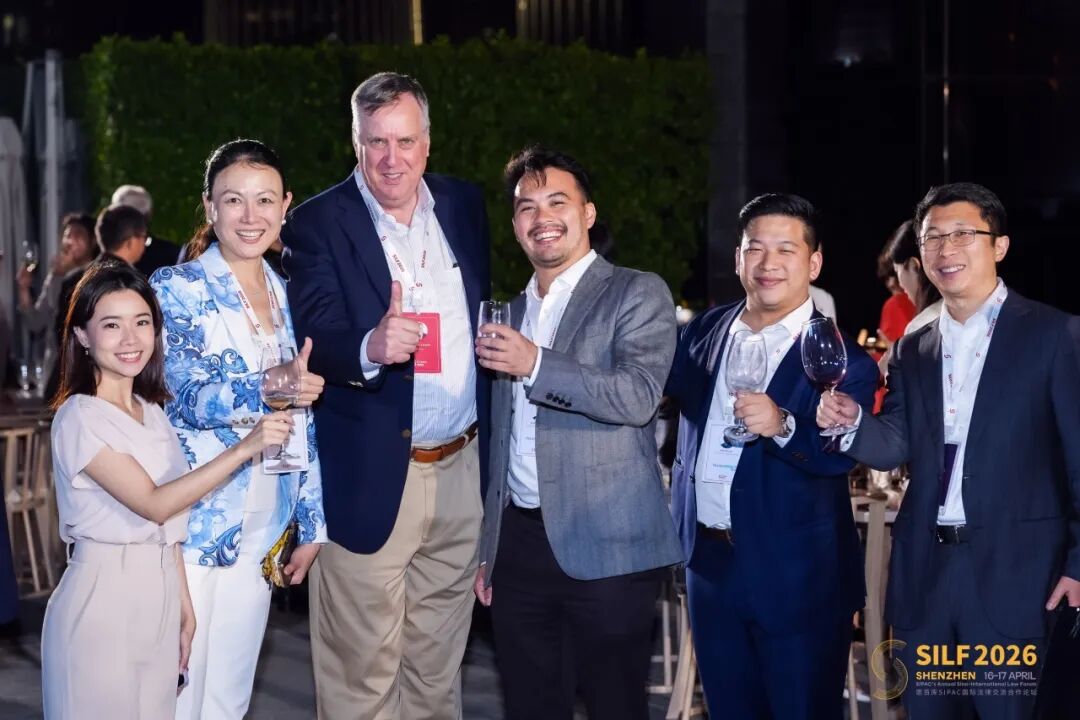

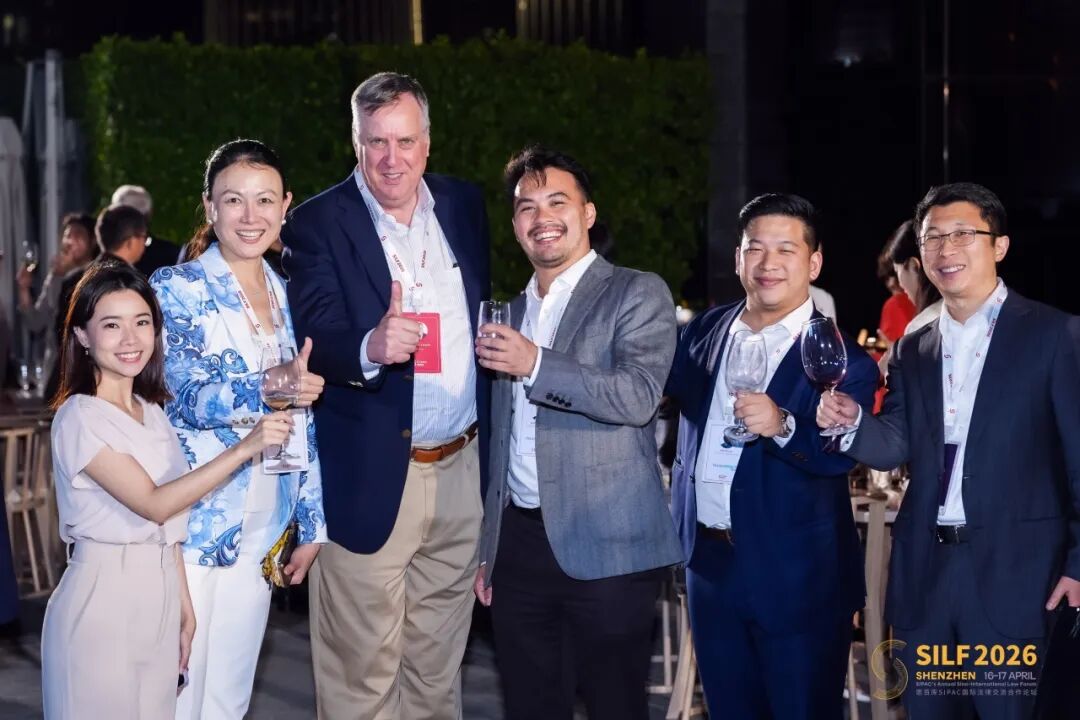

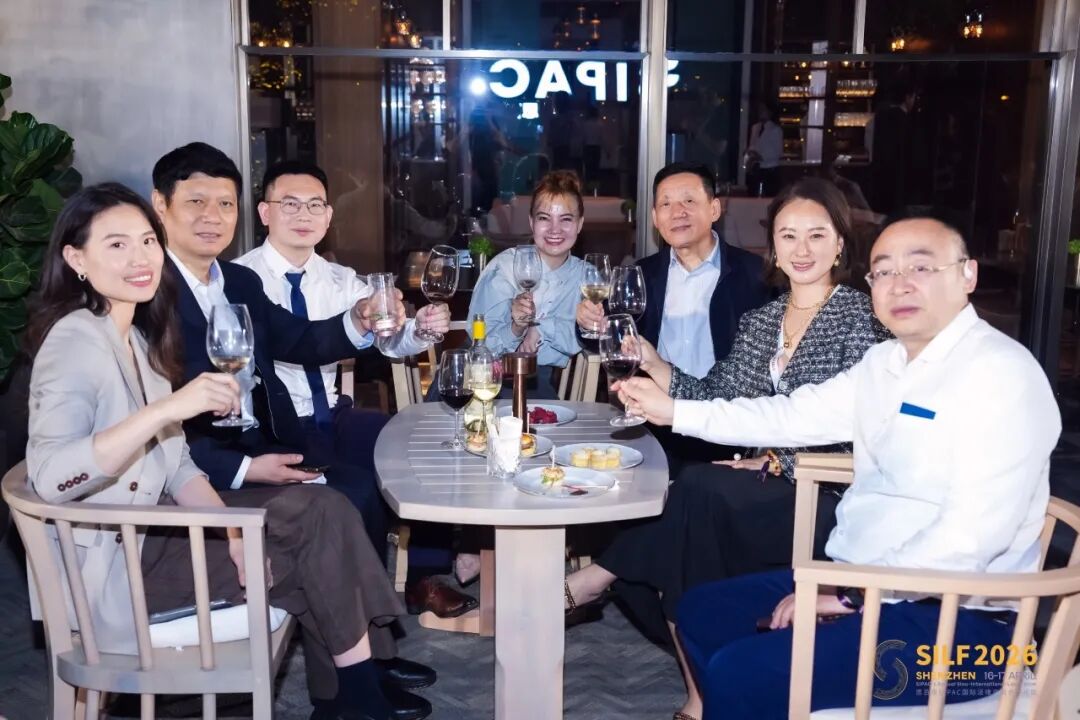

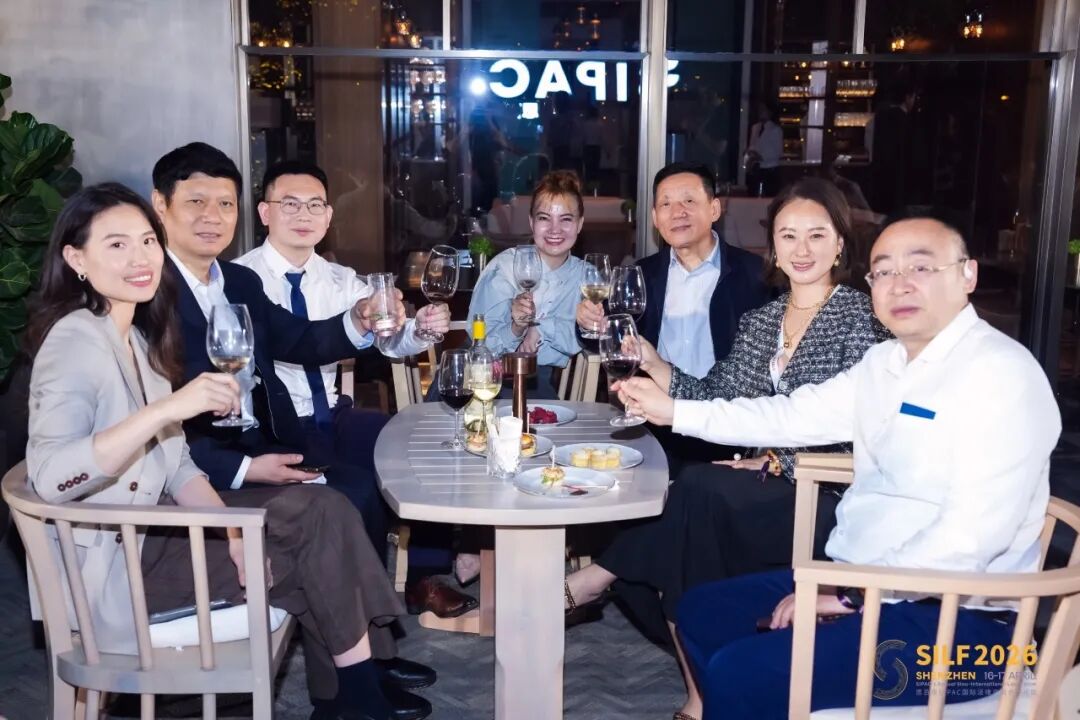









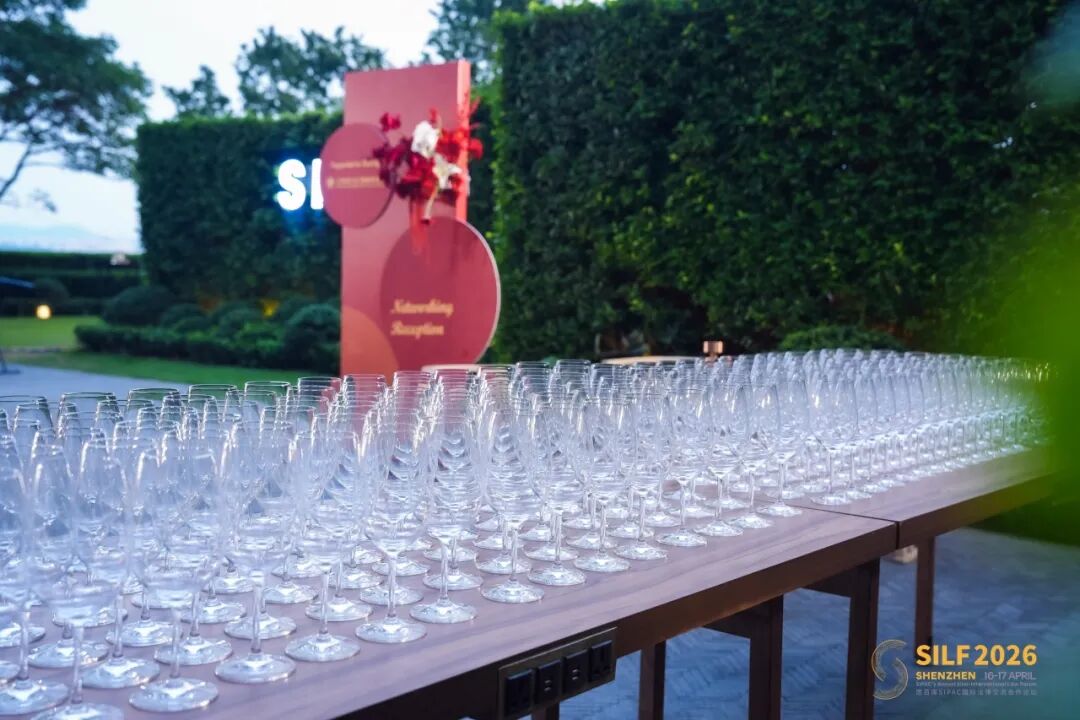
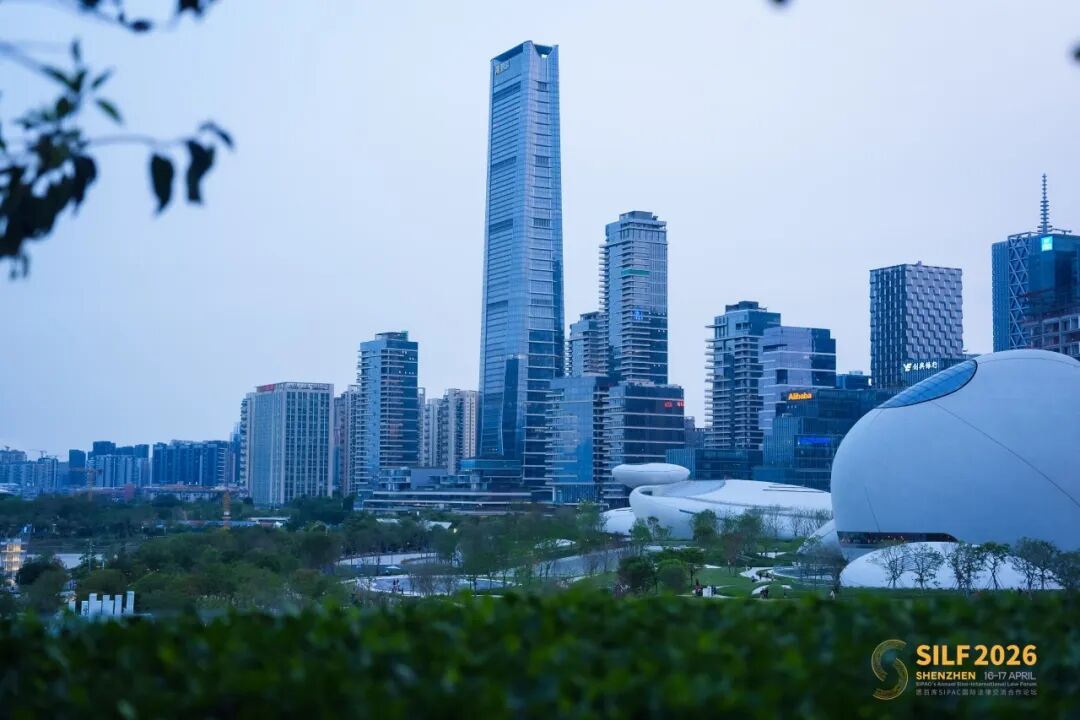
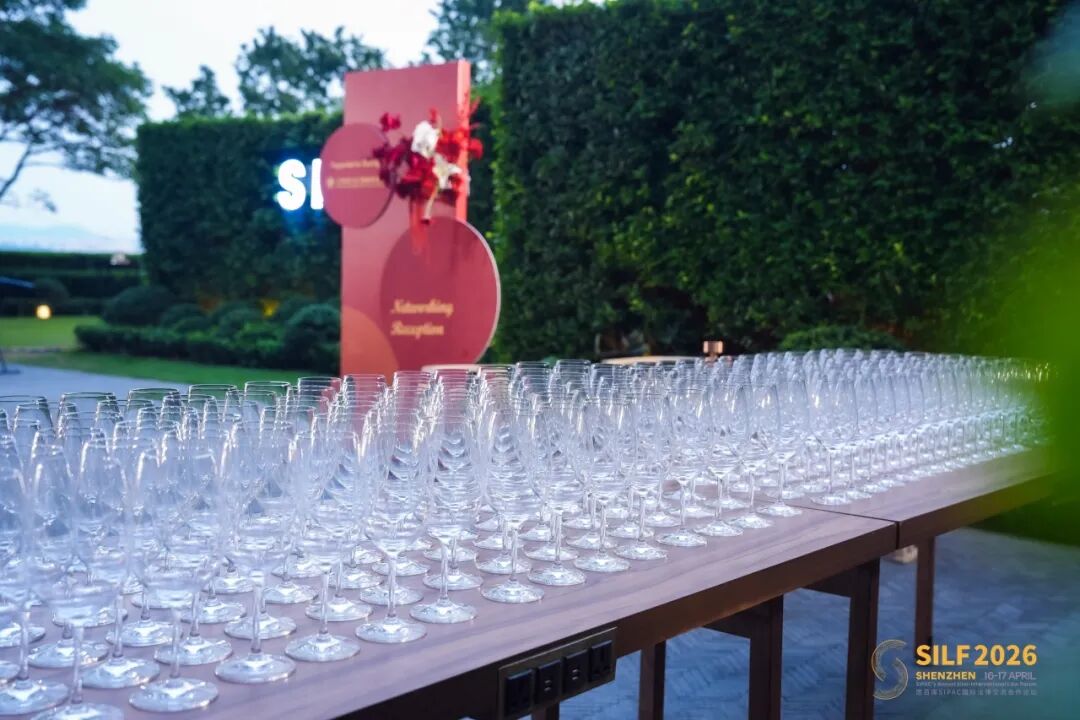
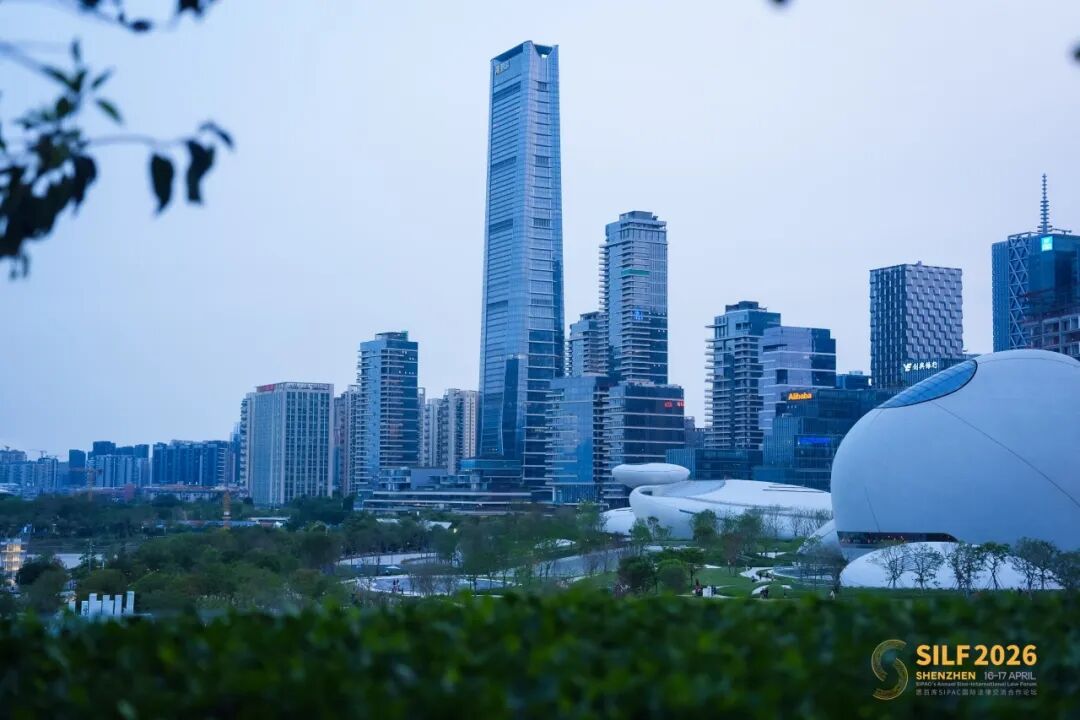
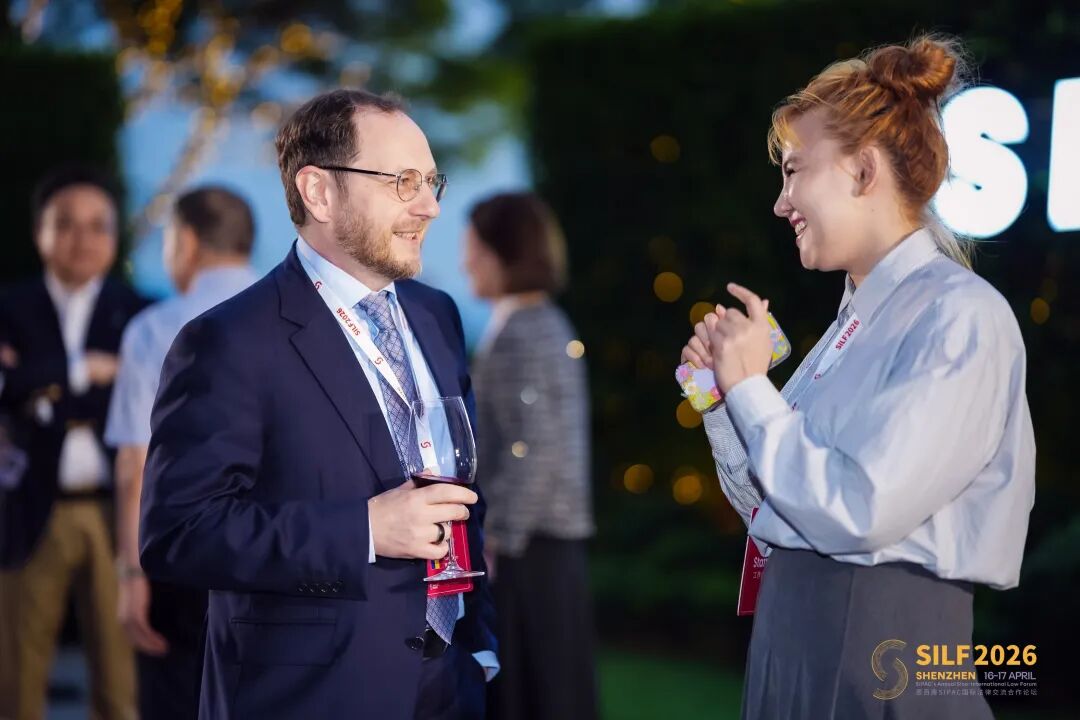
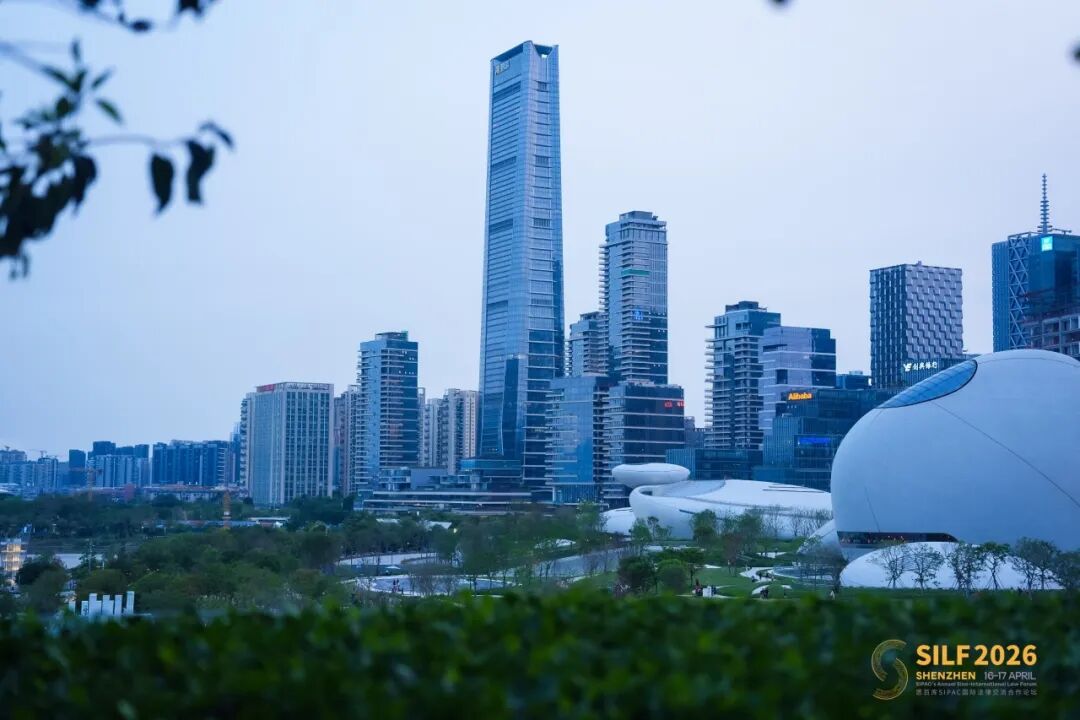
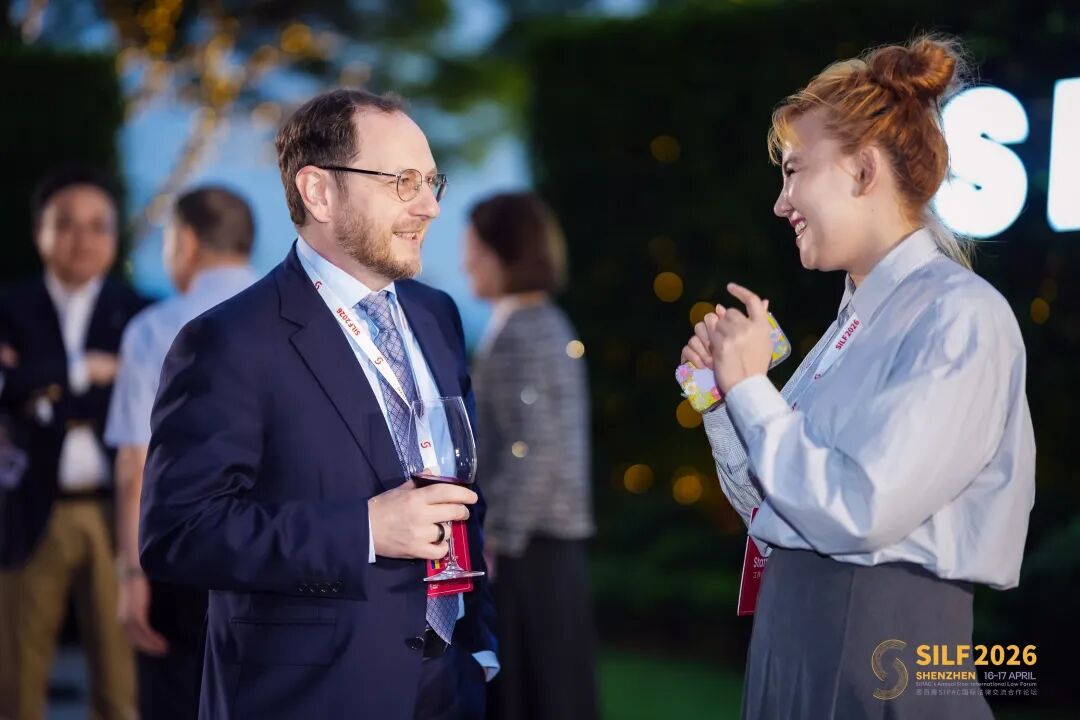
Reception highlights · 66 photos
Day 2 · Open sessionsRaffles Shenzhen
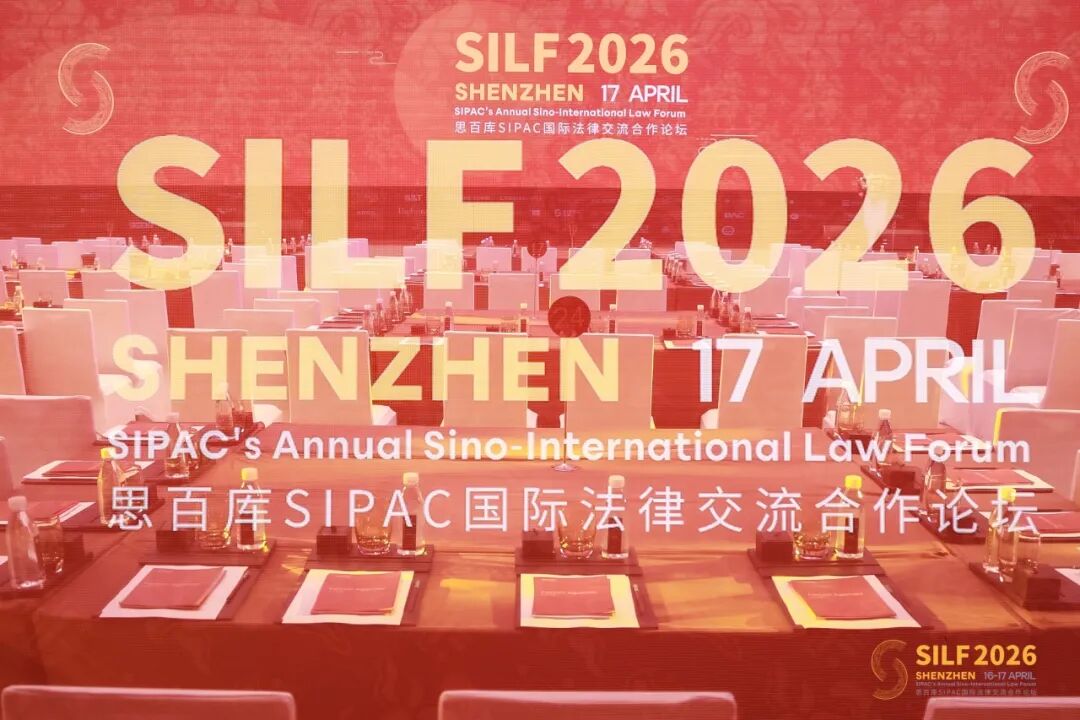
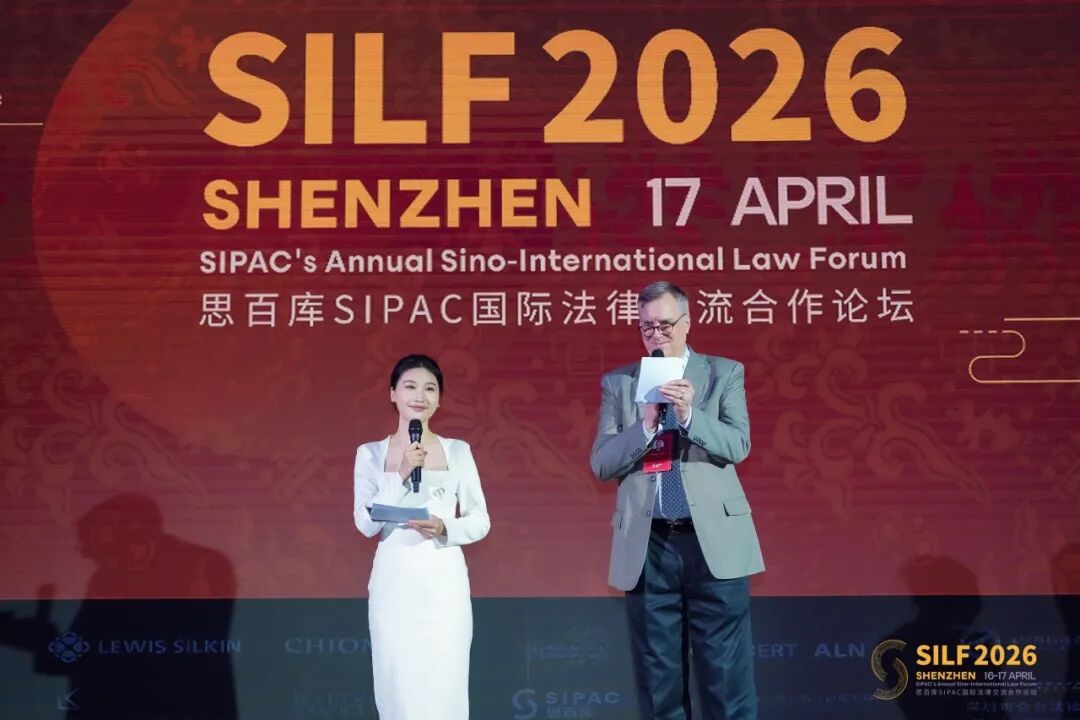
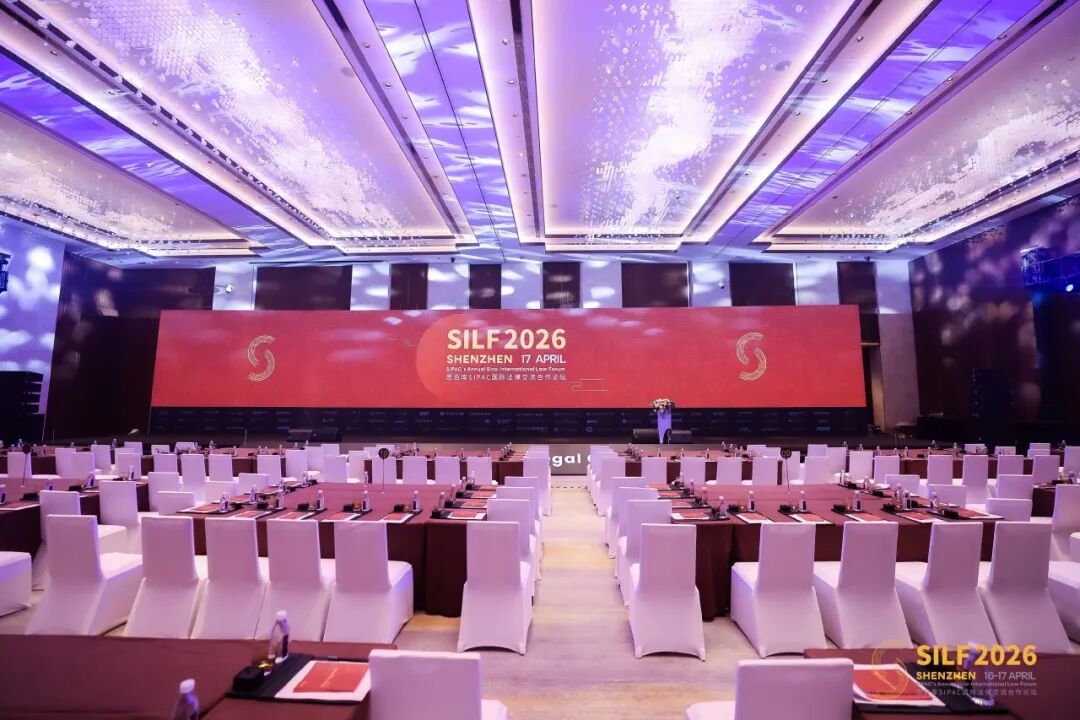
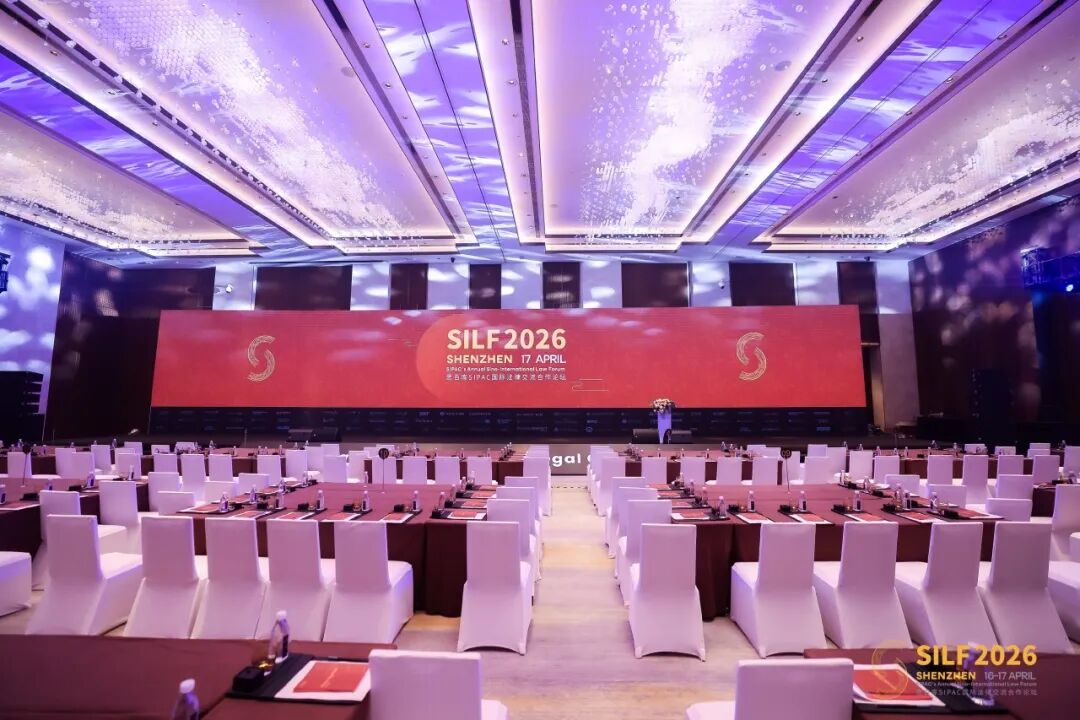
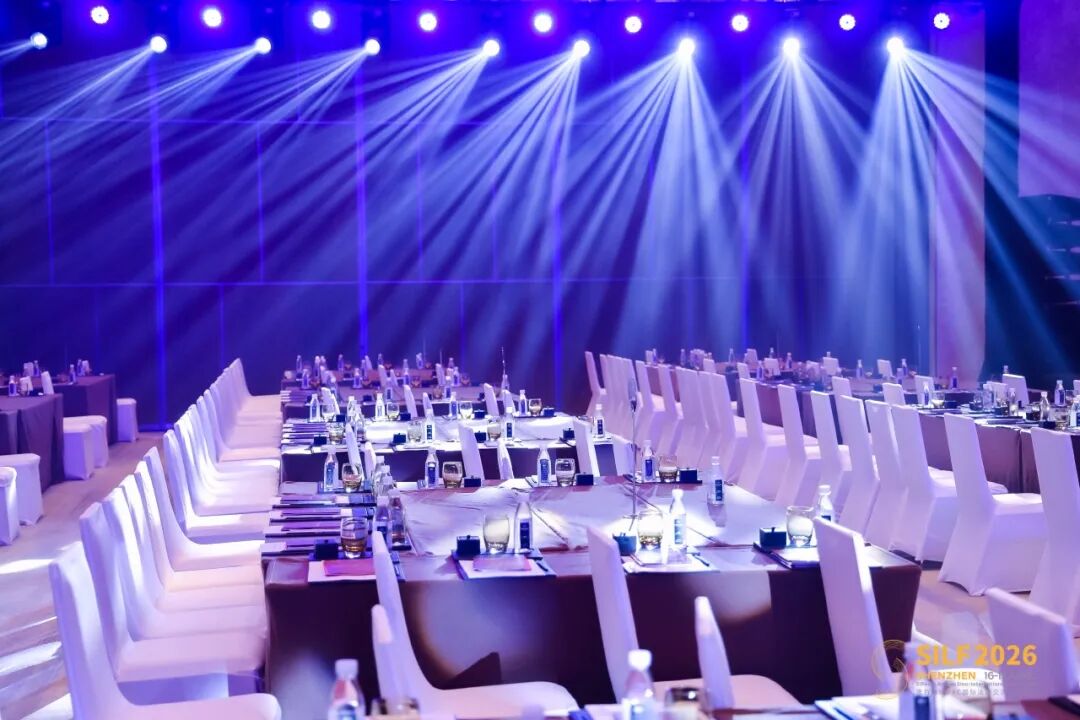
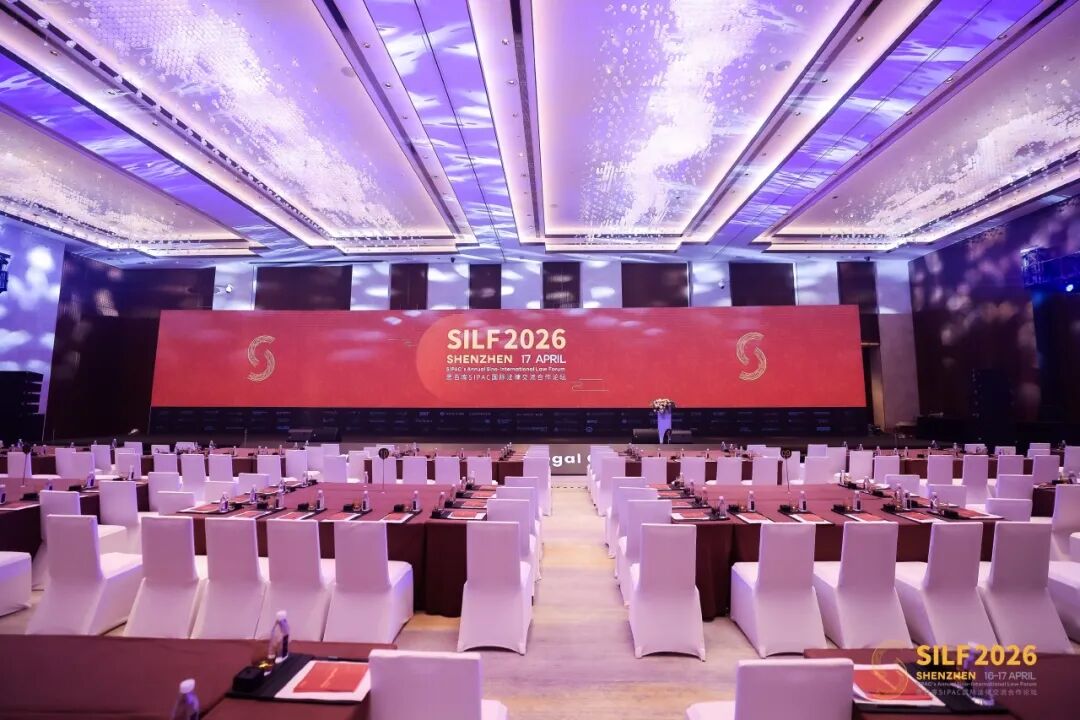
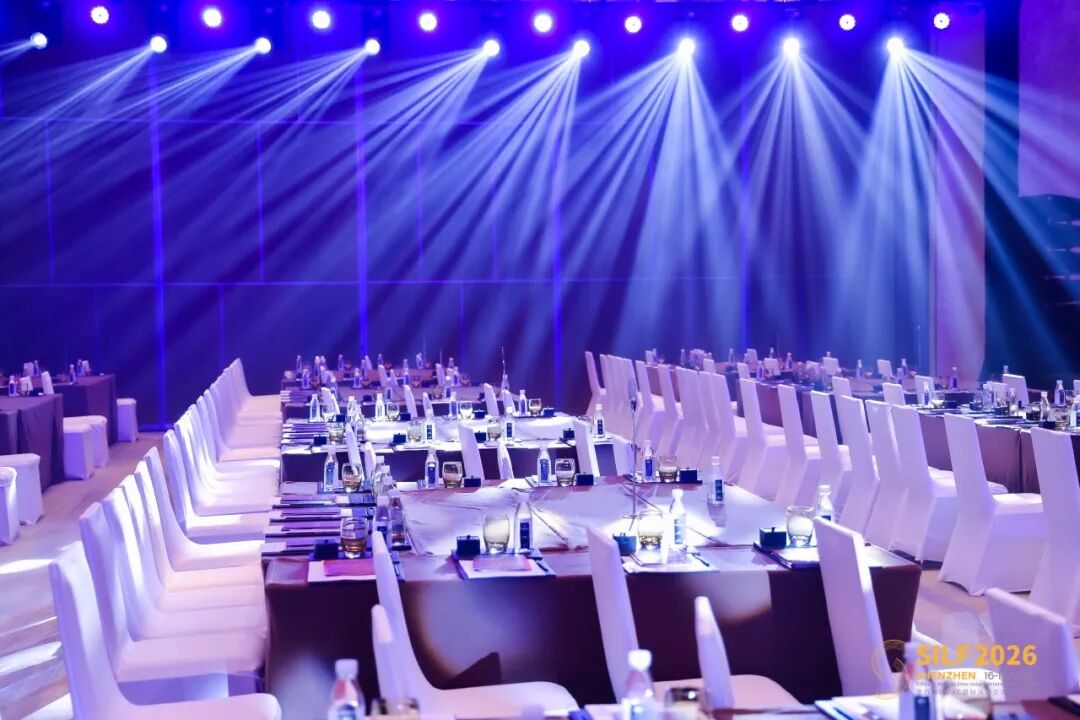
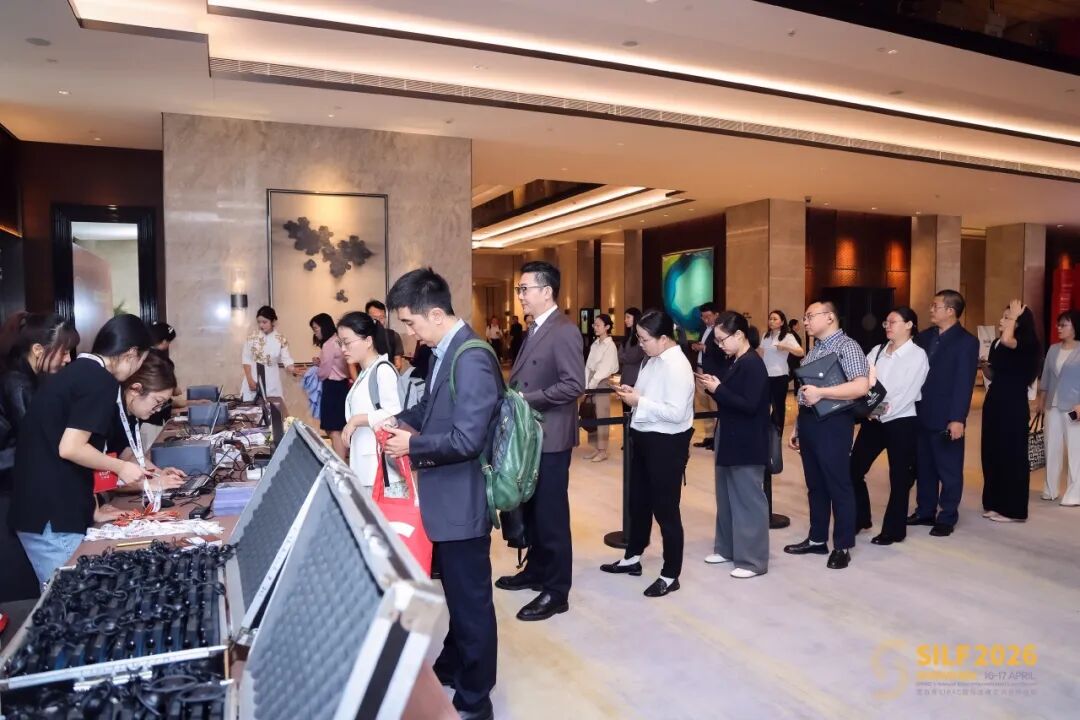
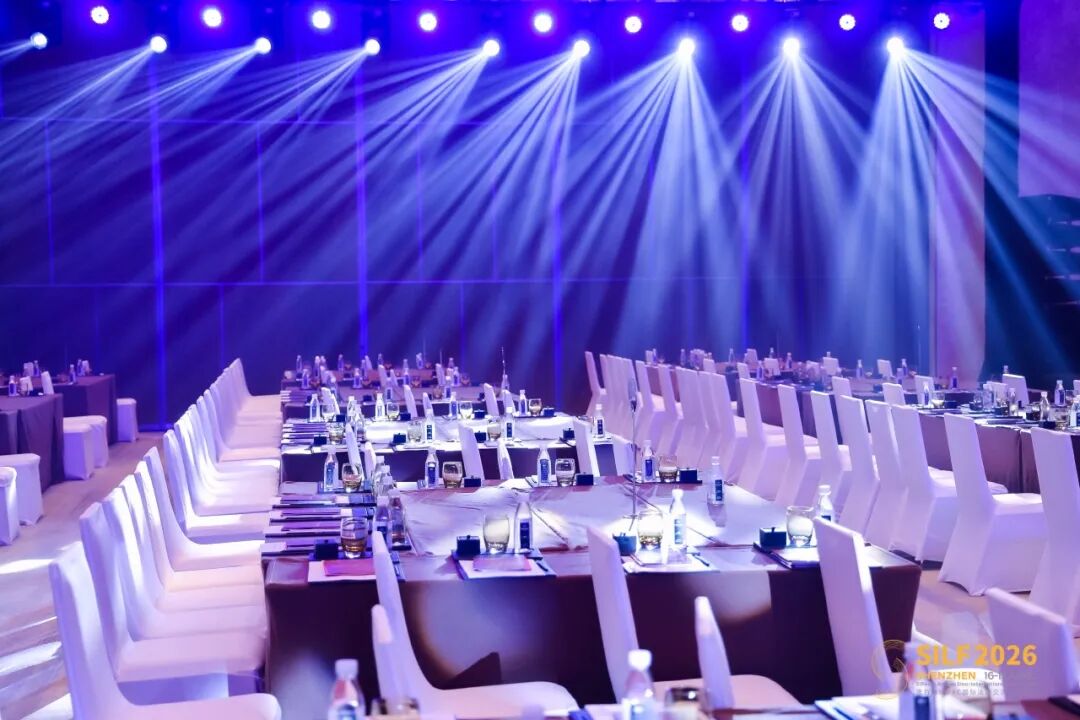
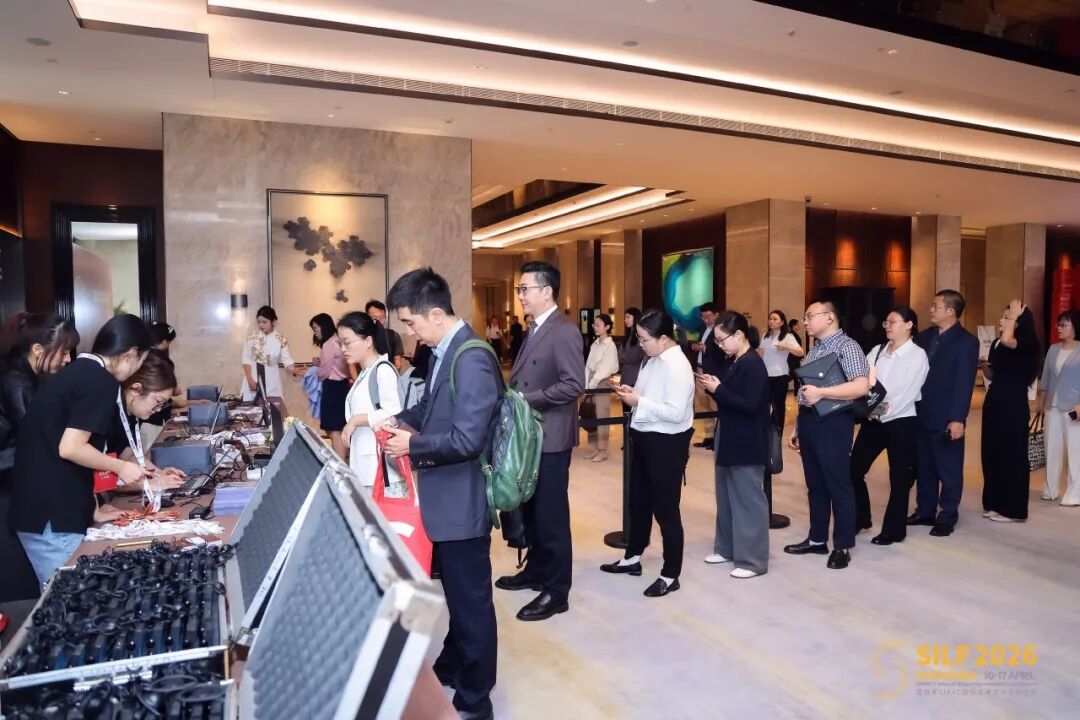
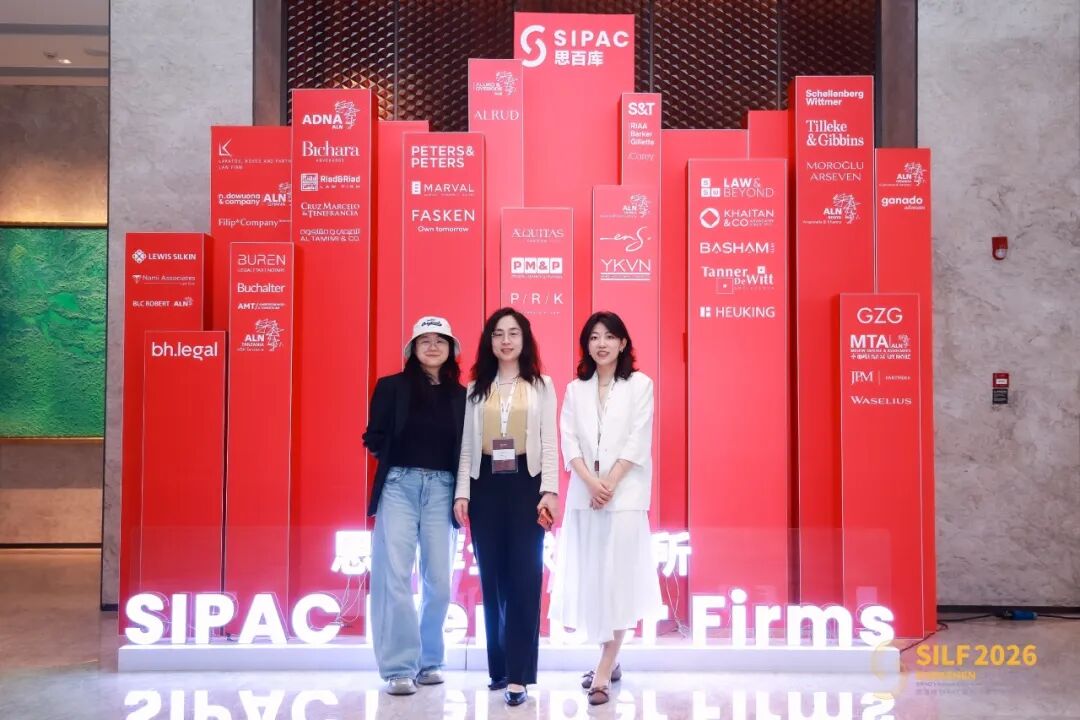
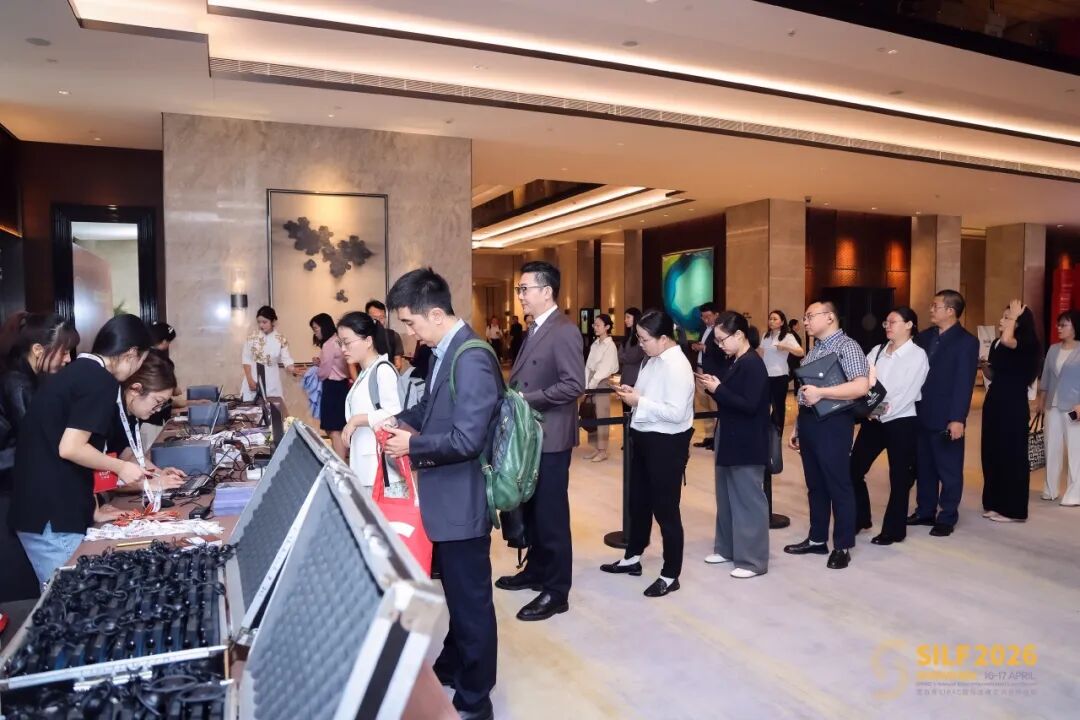
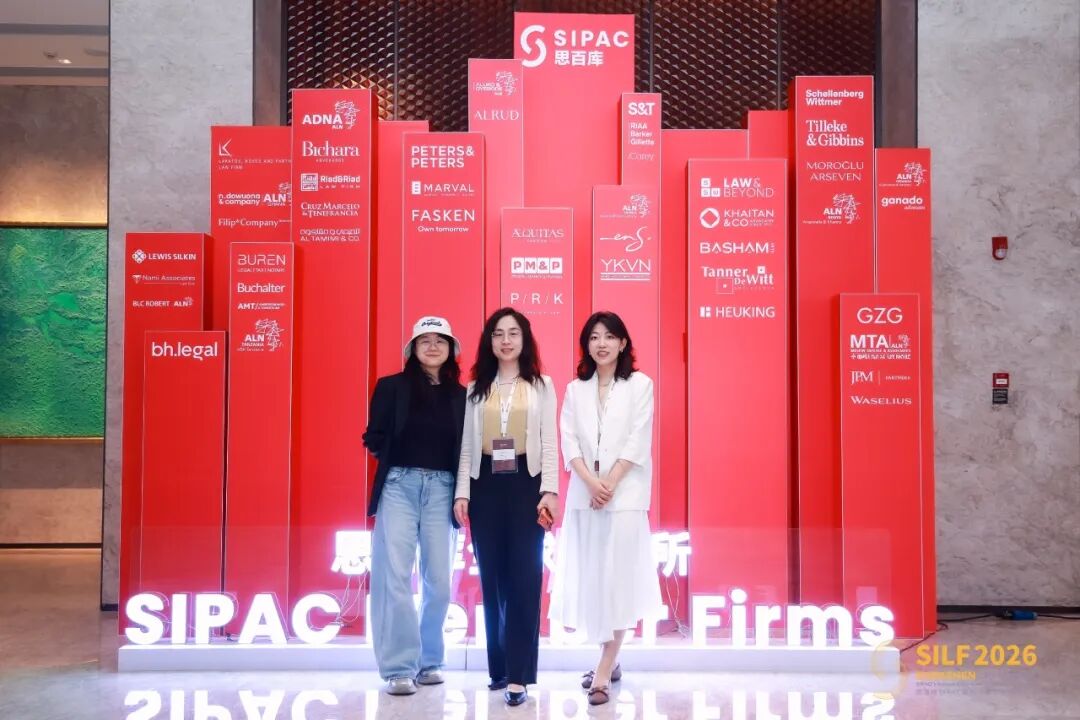
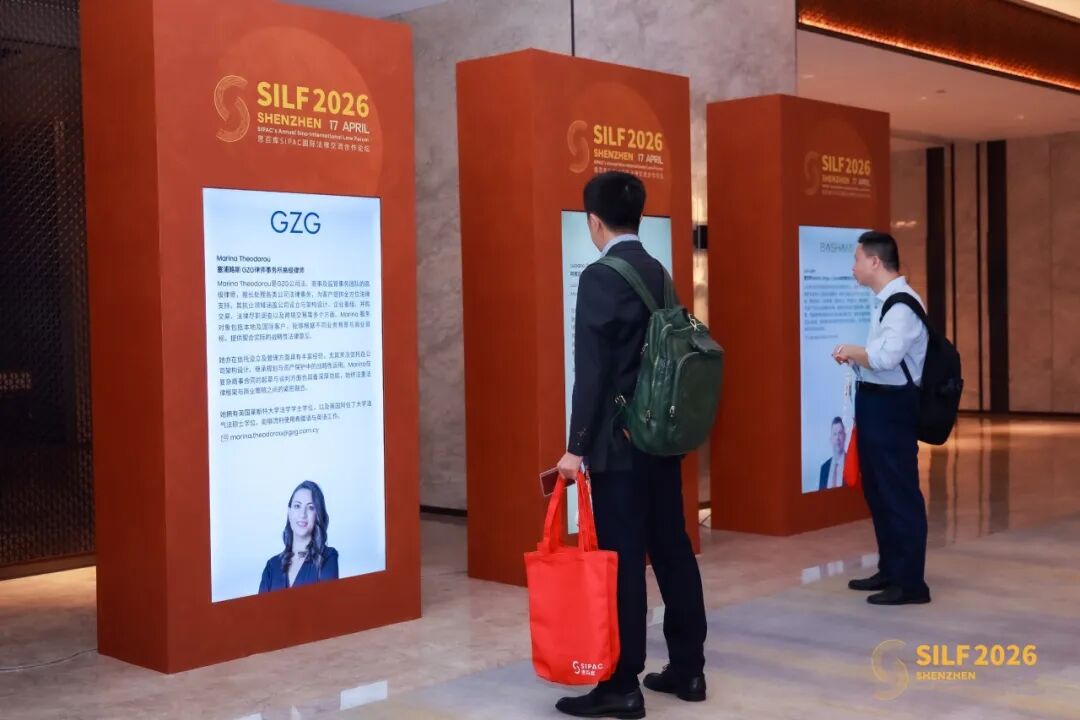
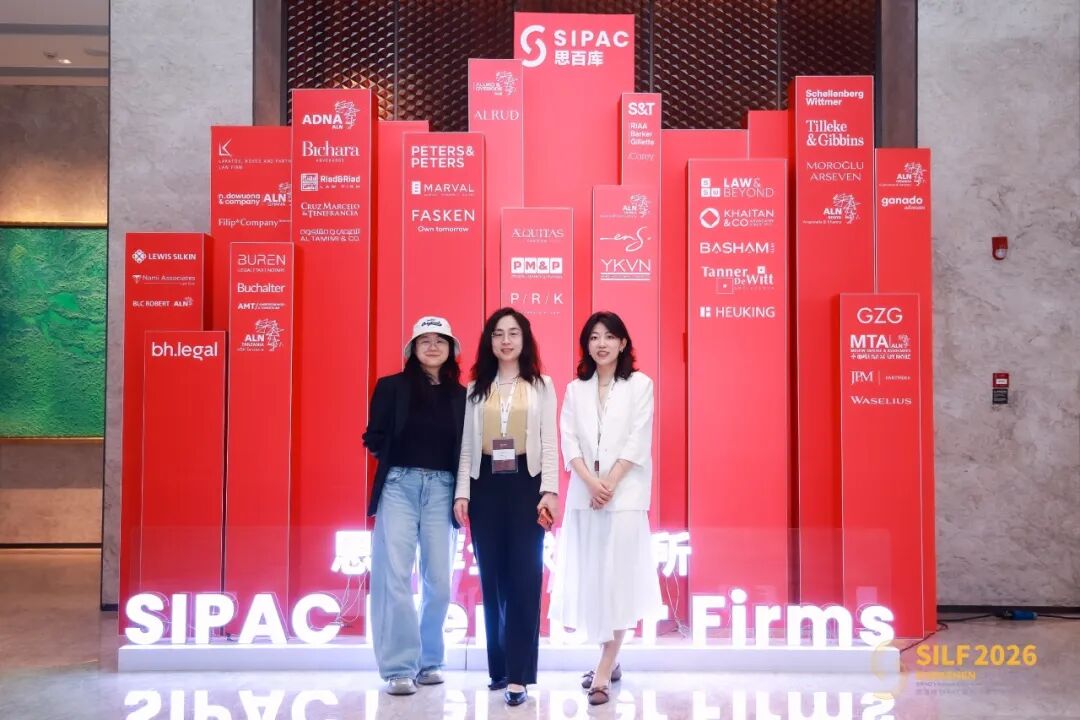
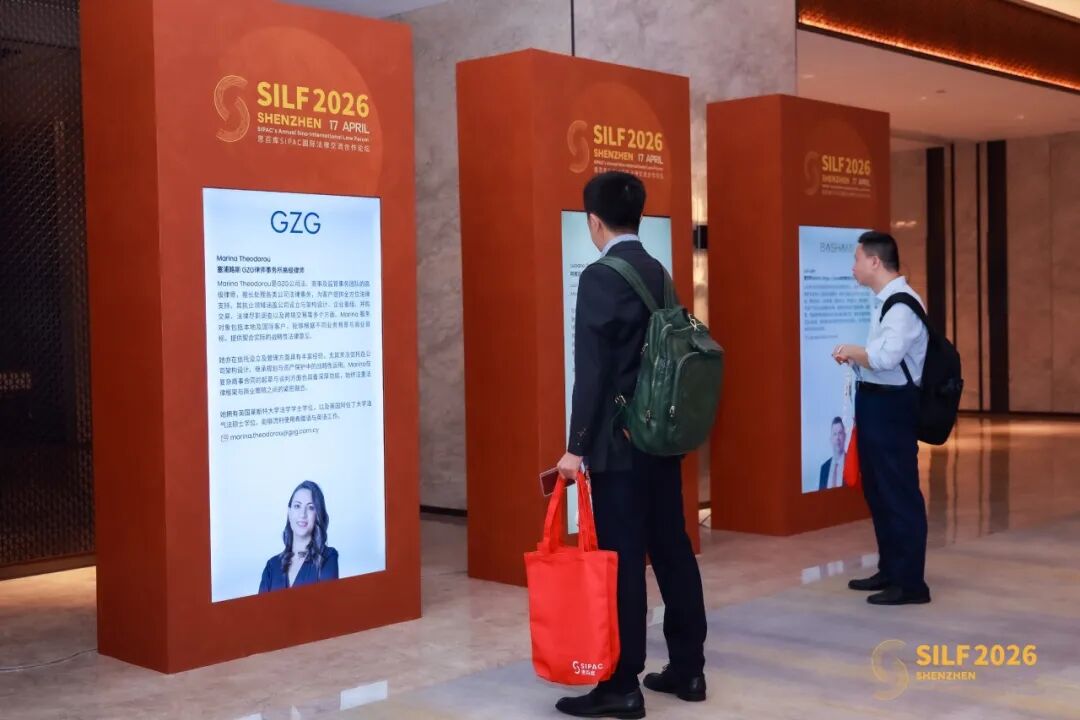
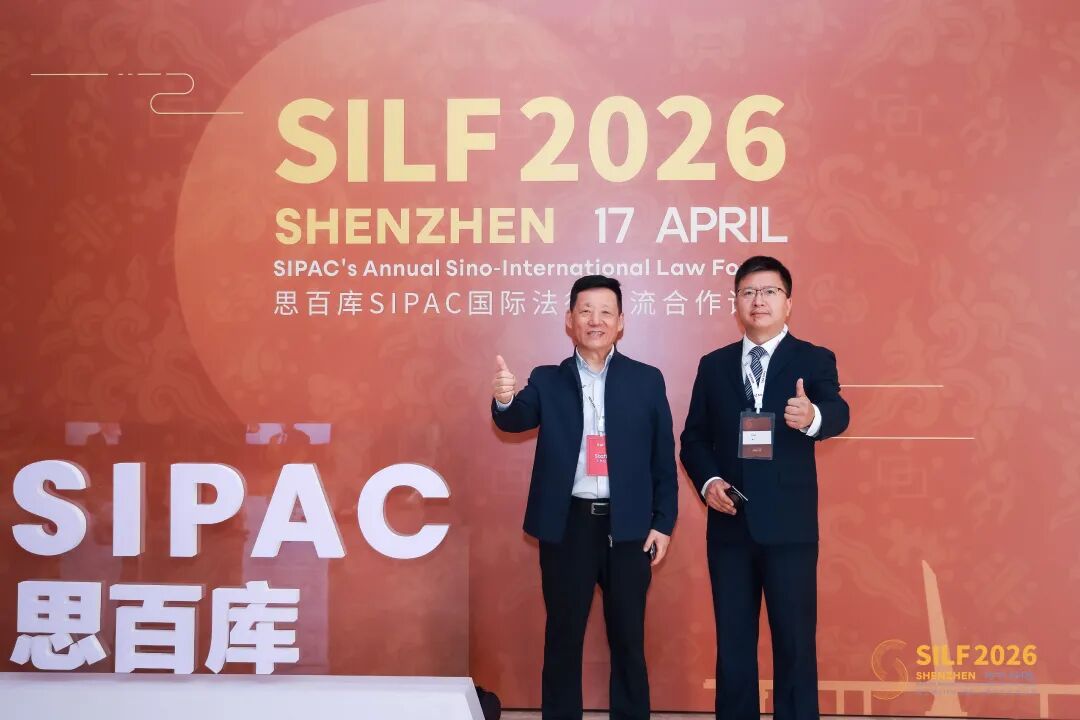
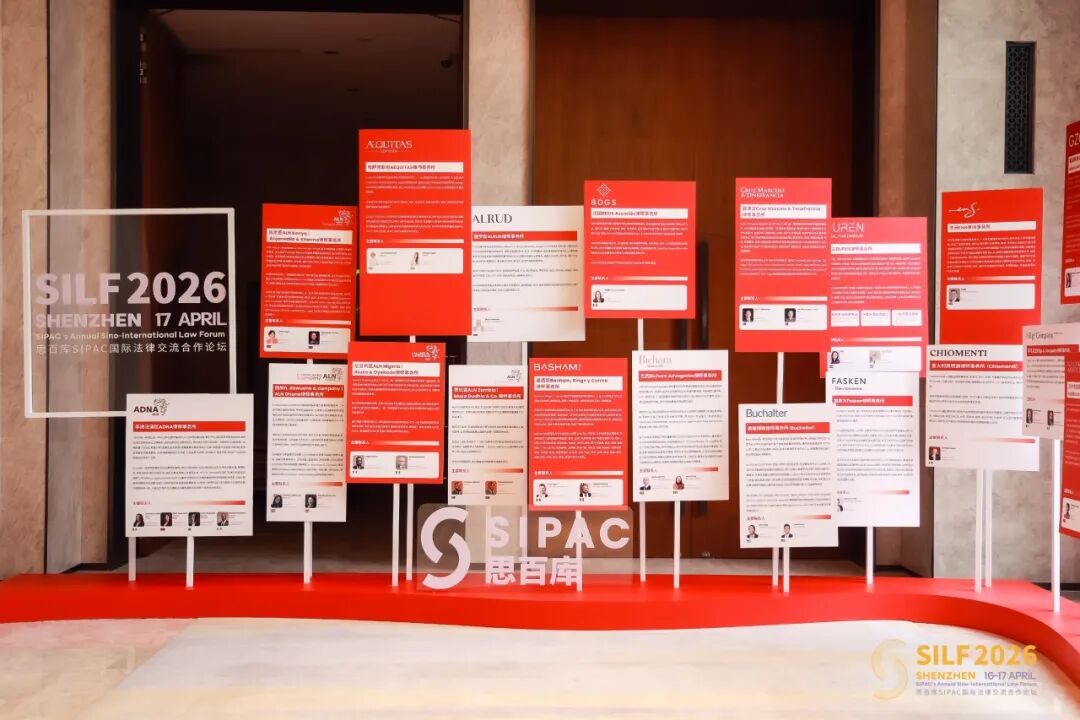
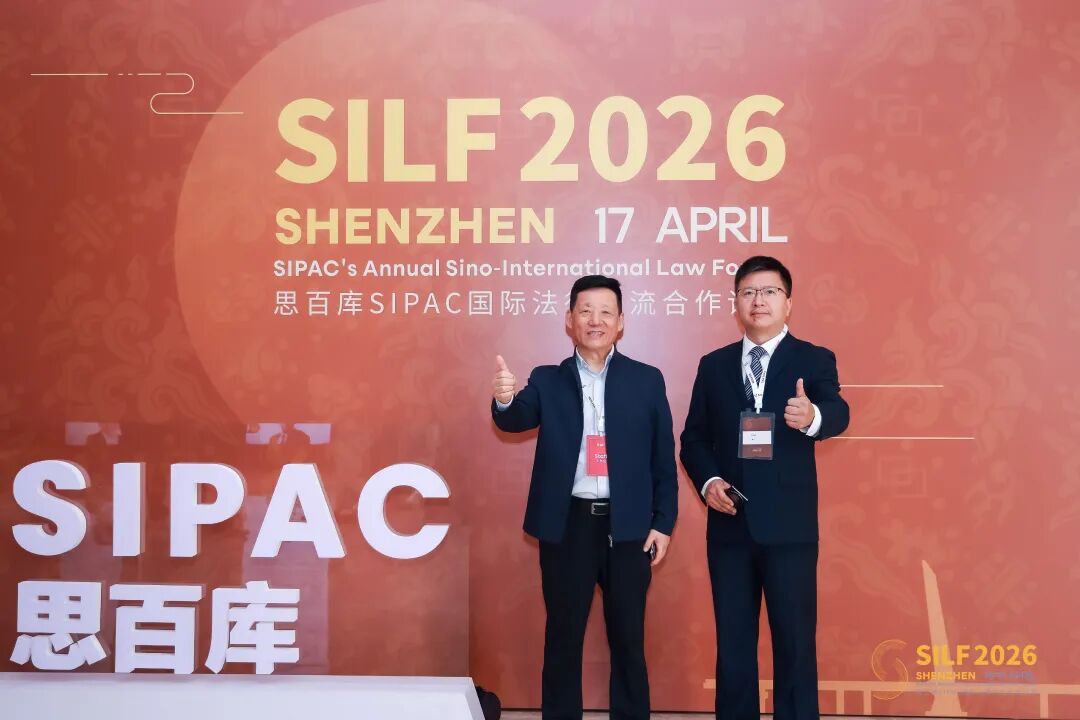
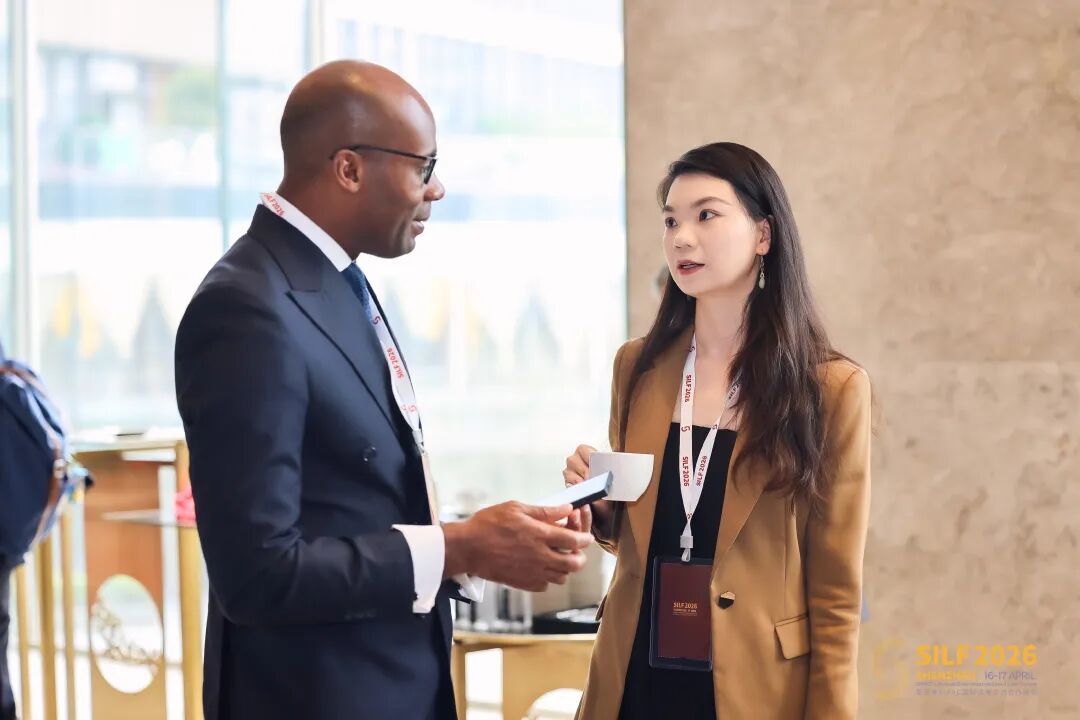
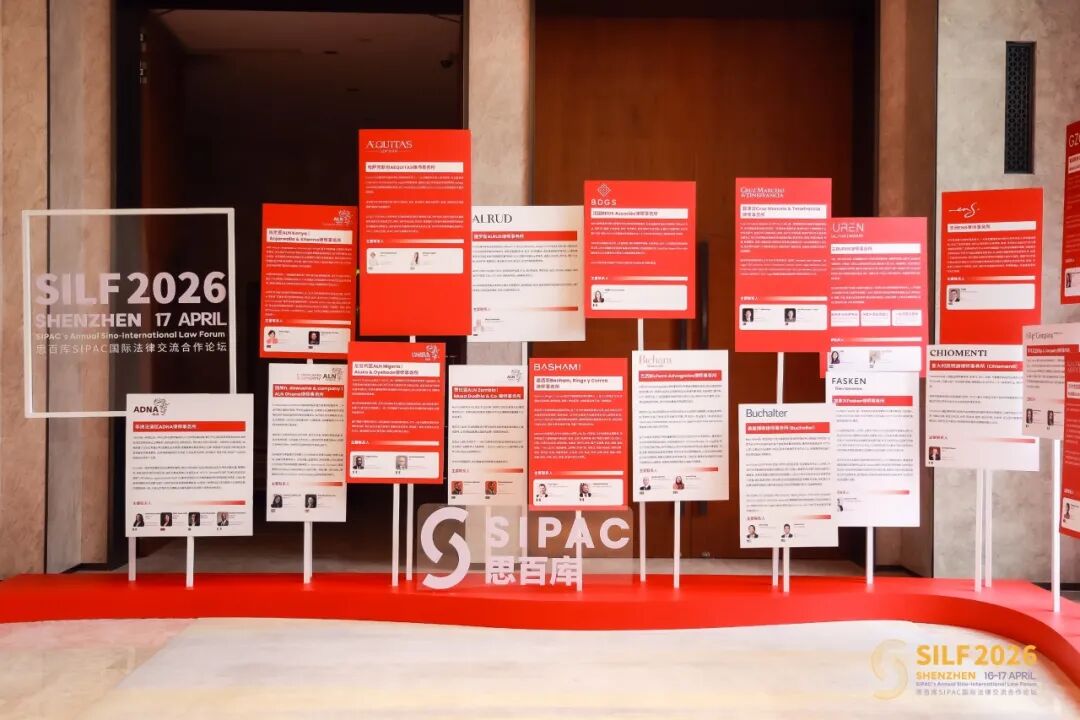
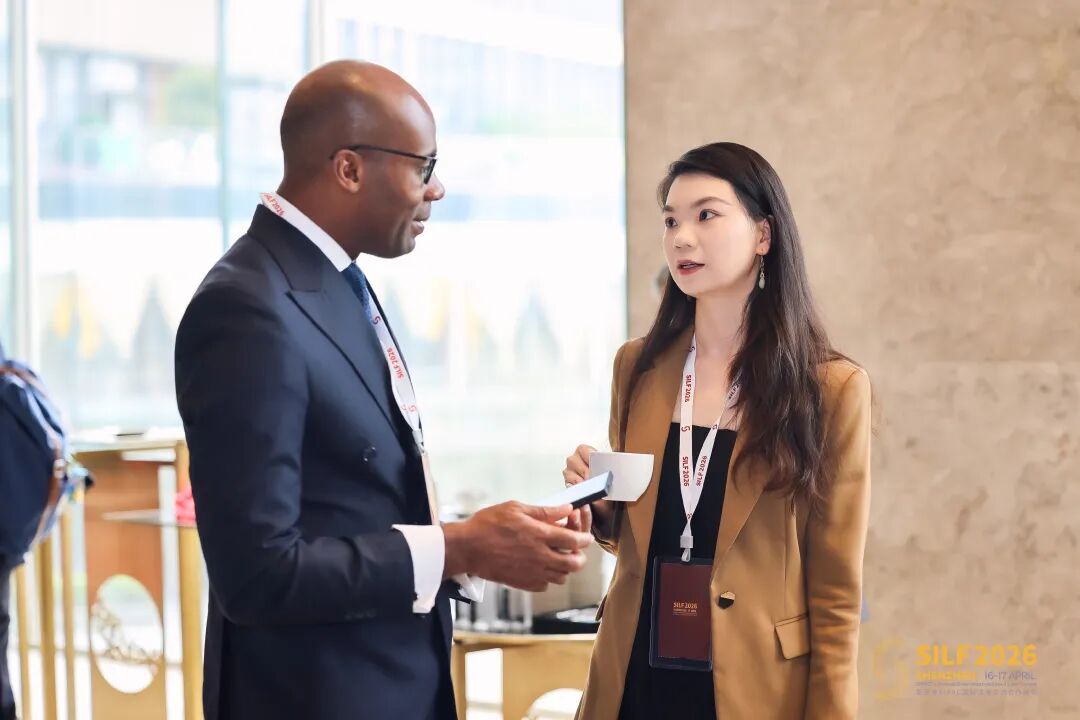
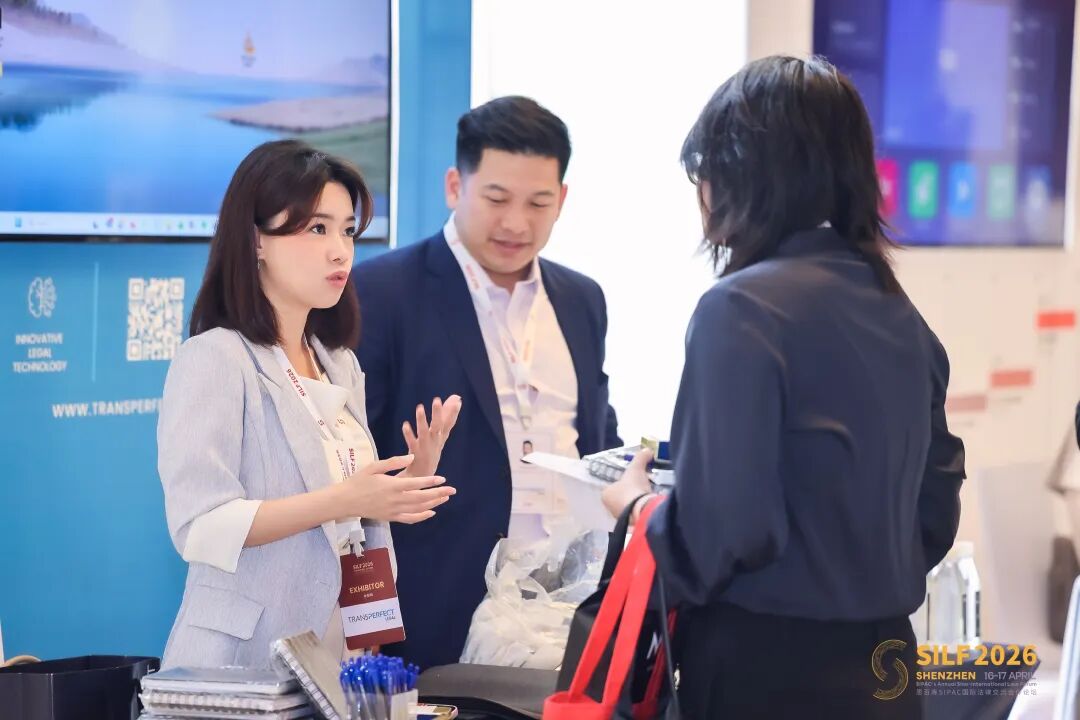
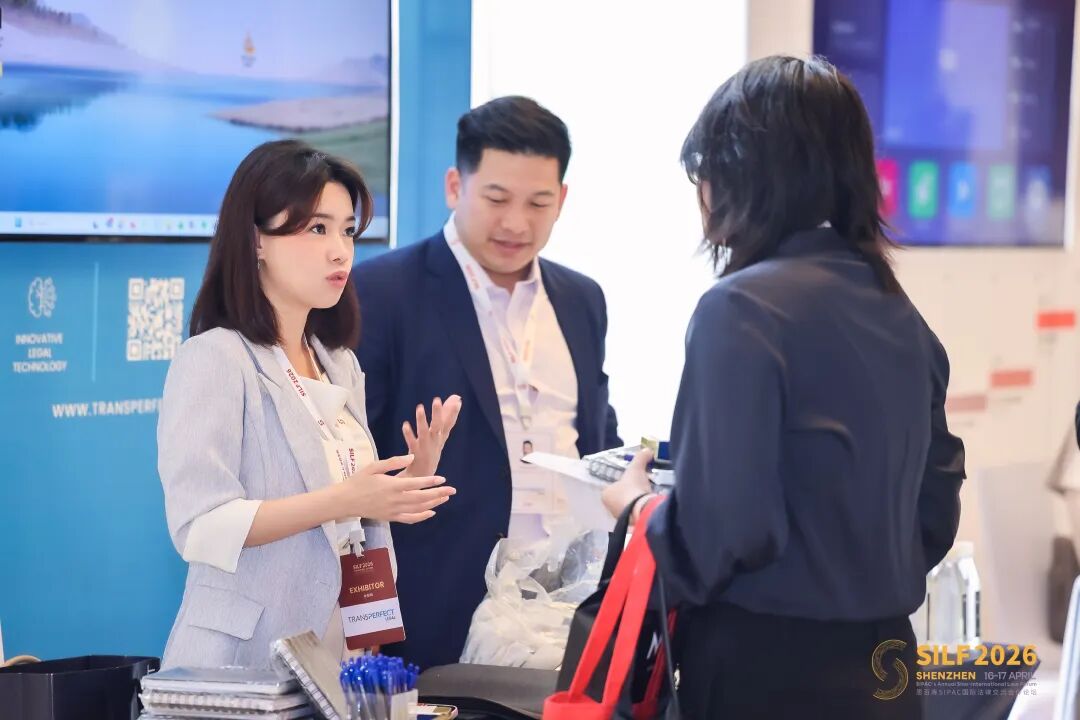
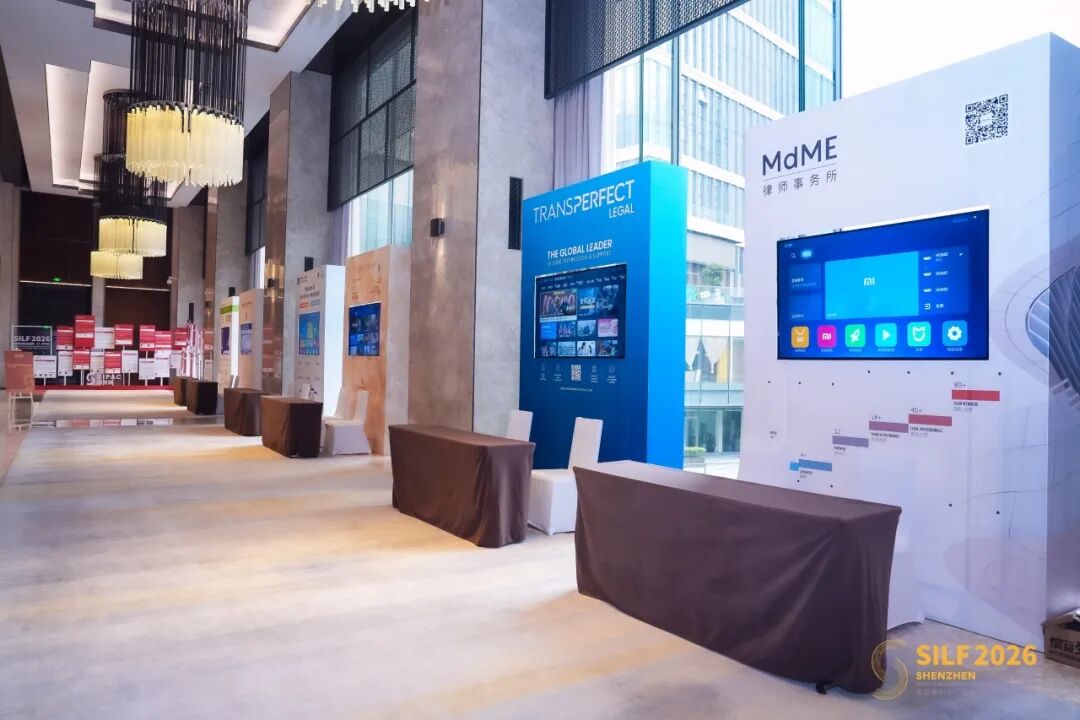
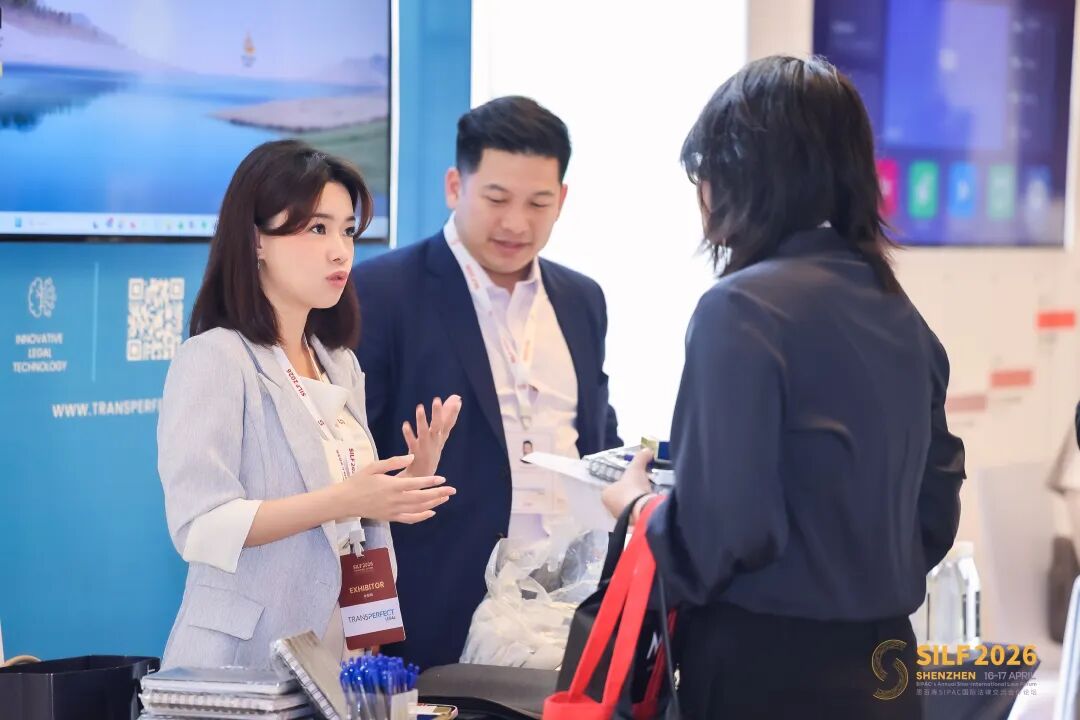
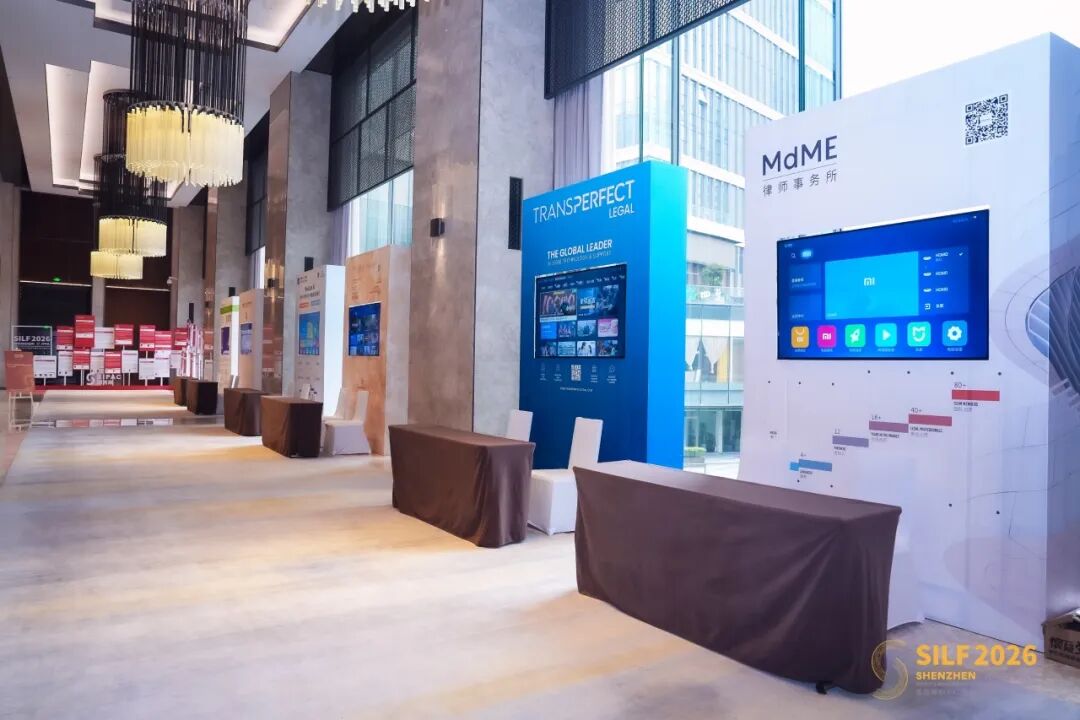
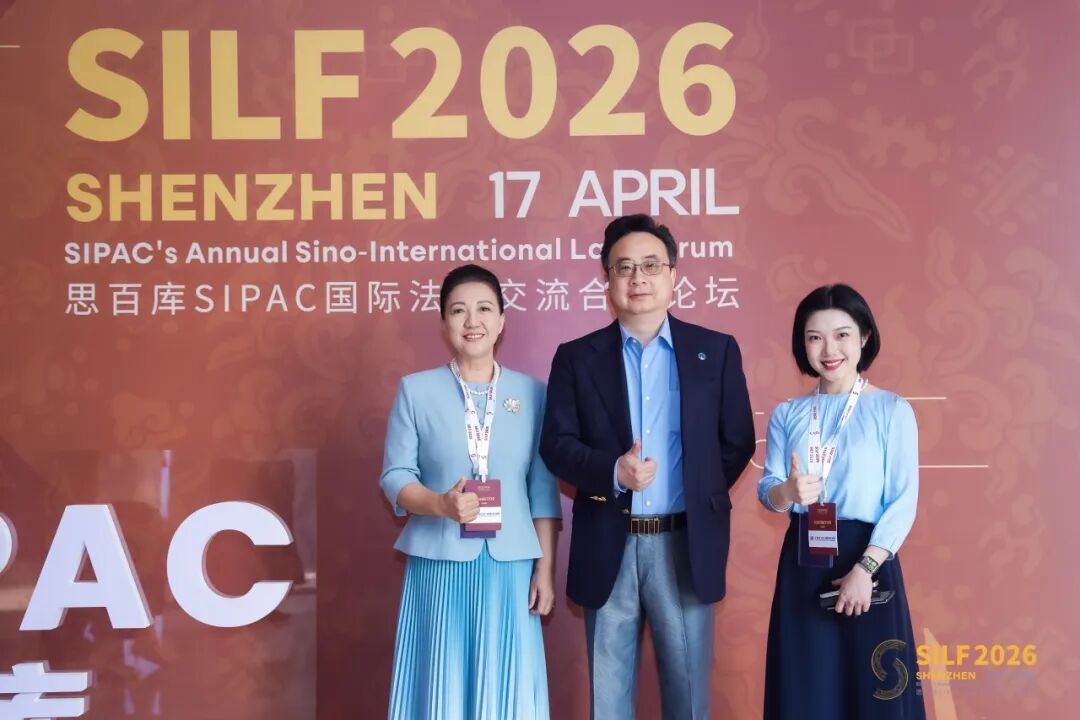
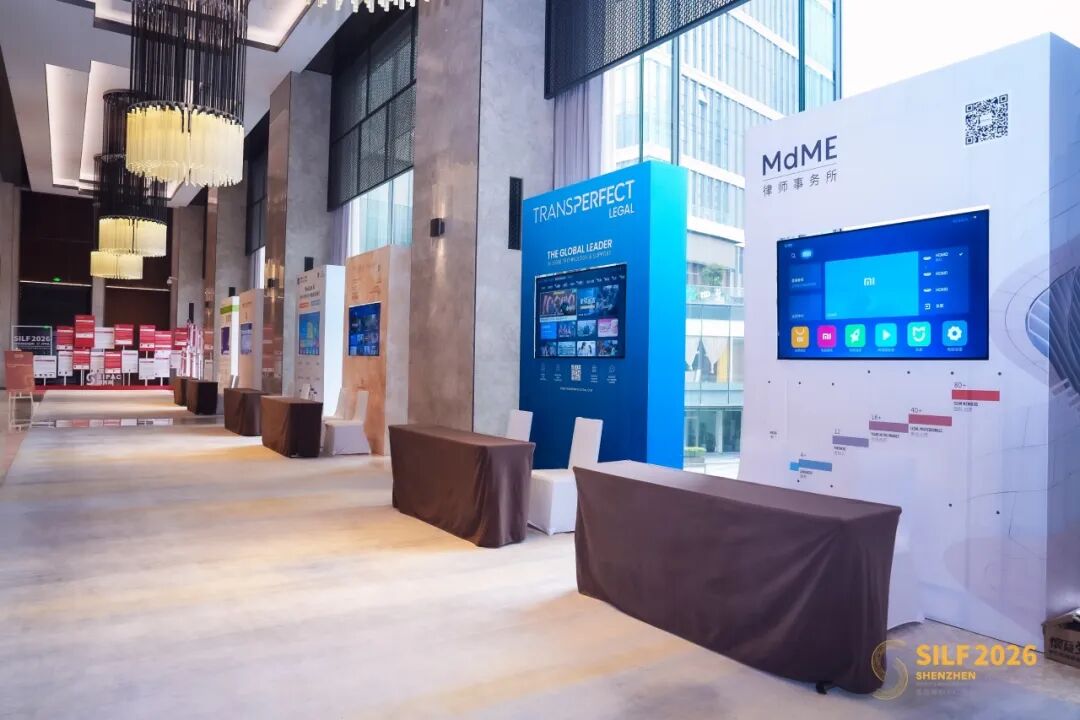
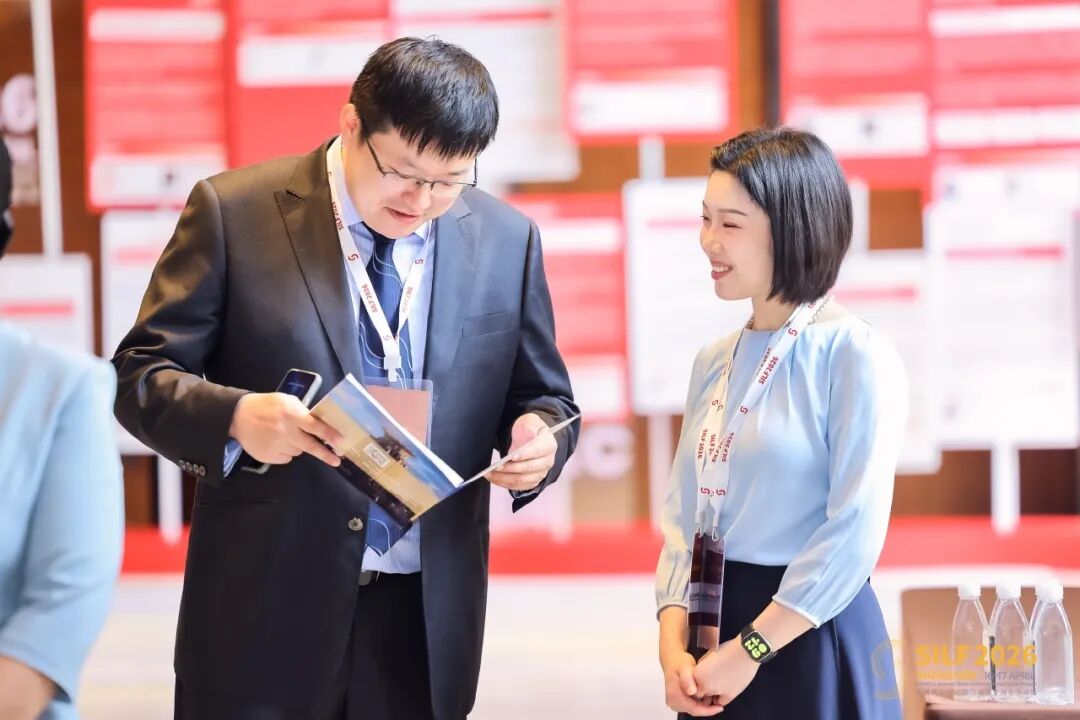
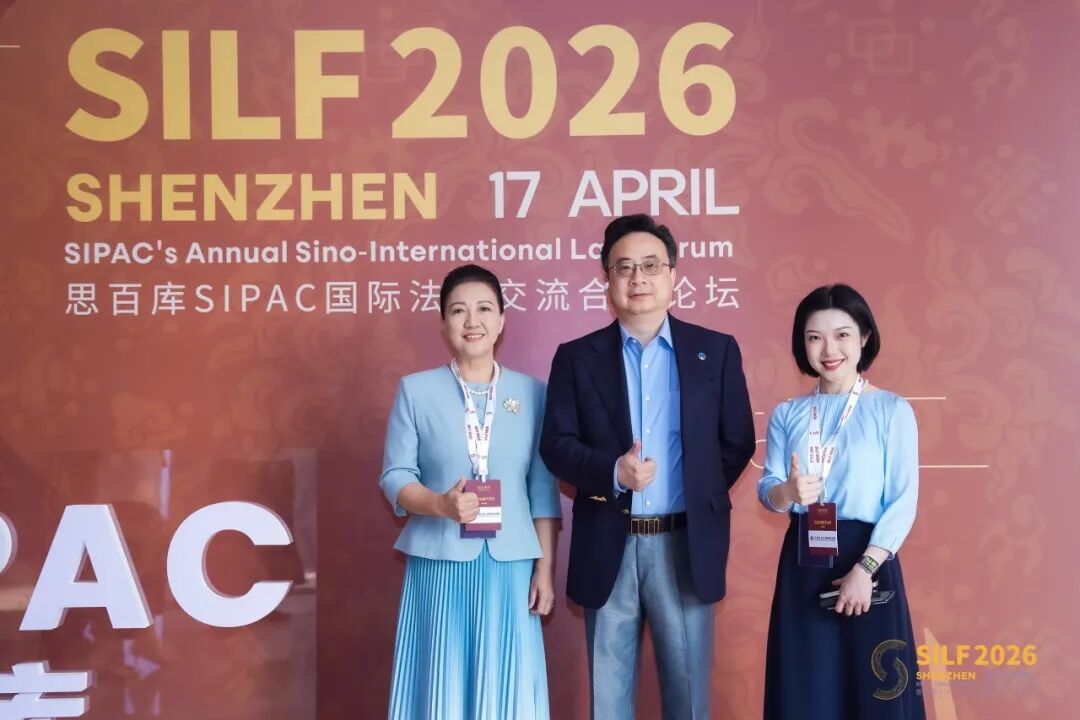
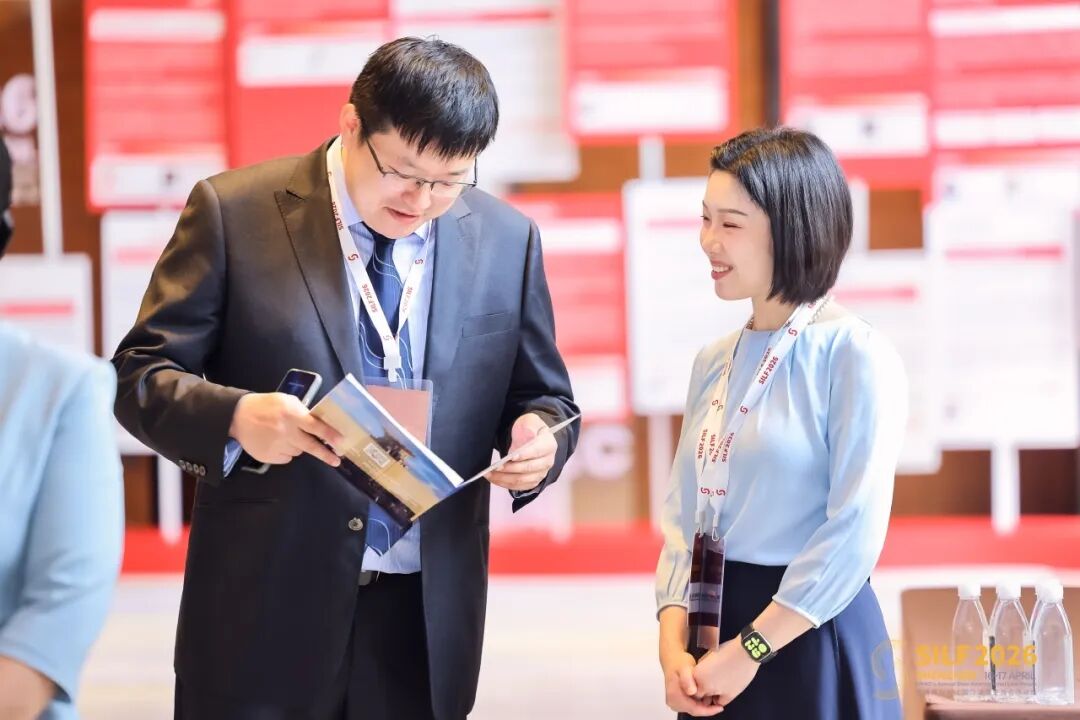
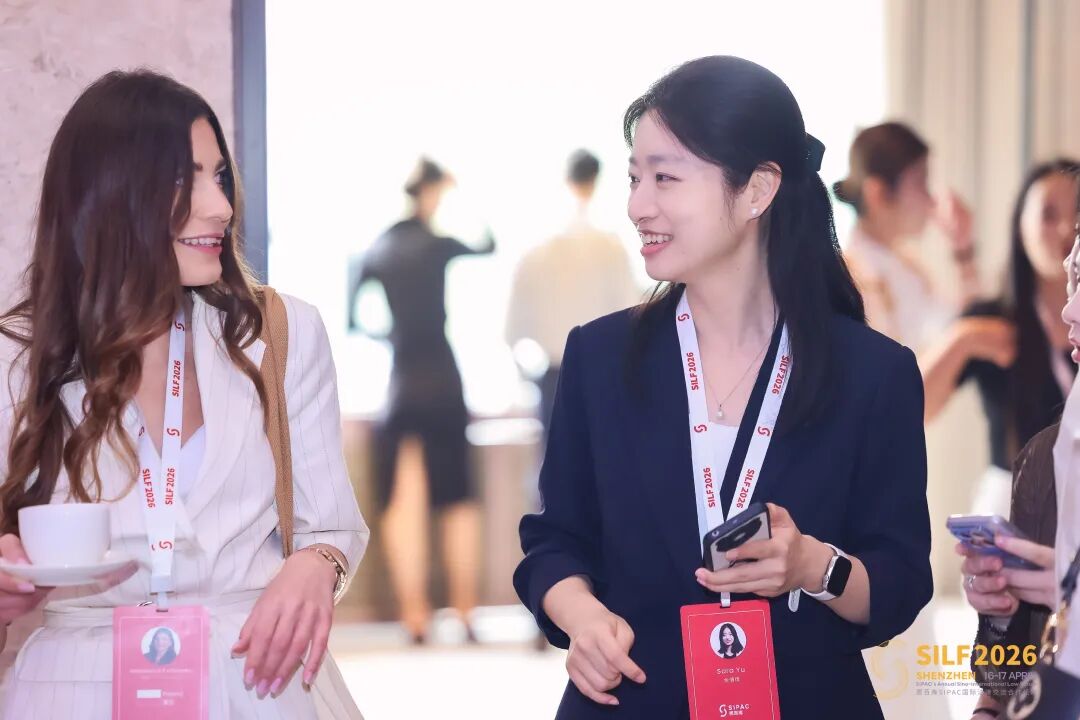
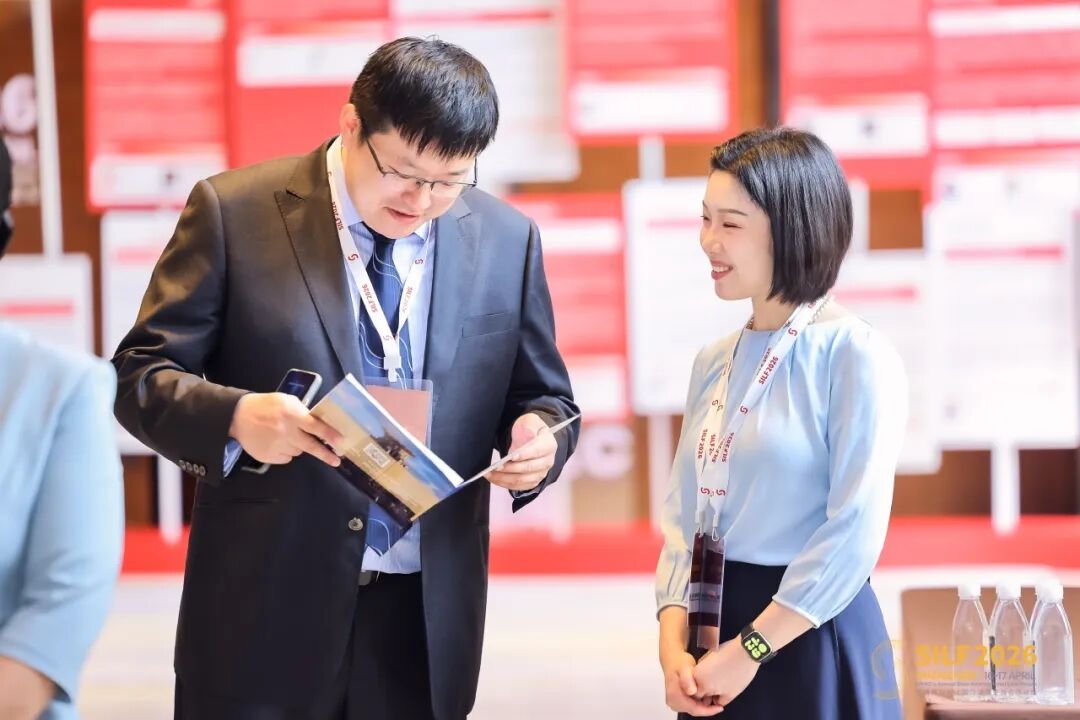
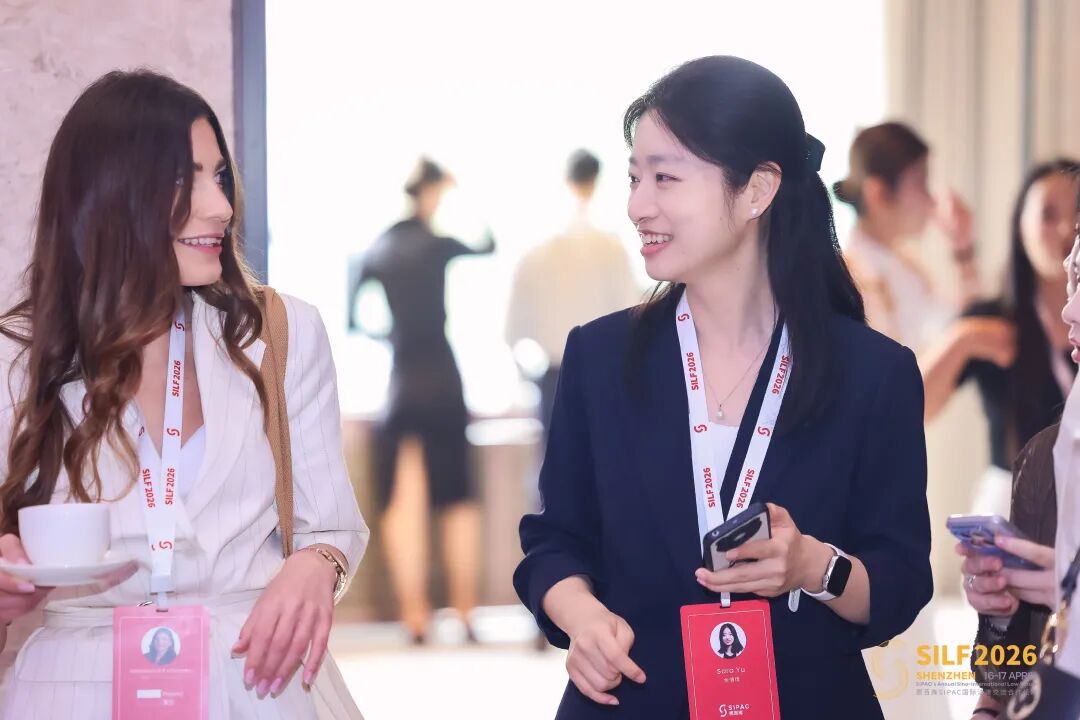
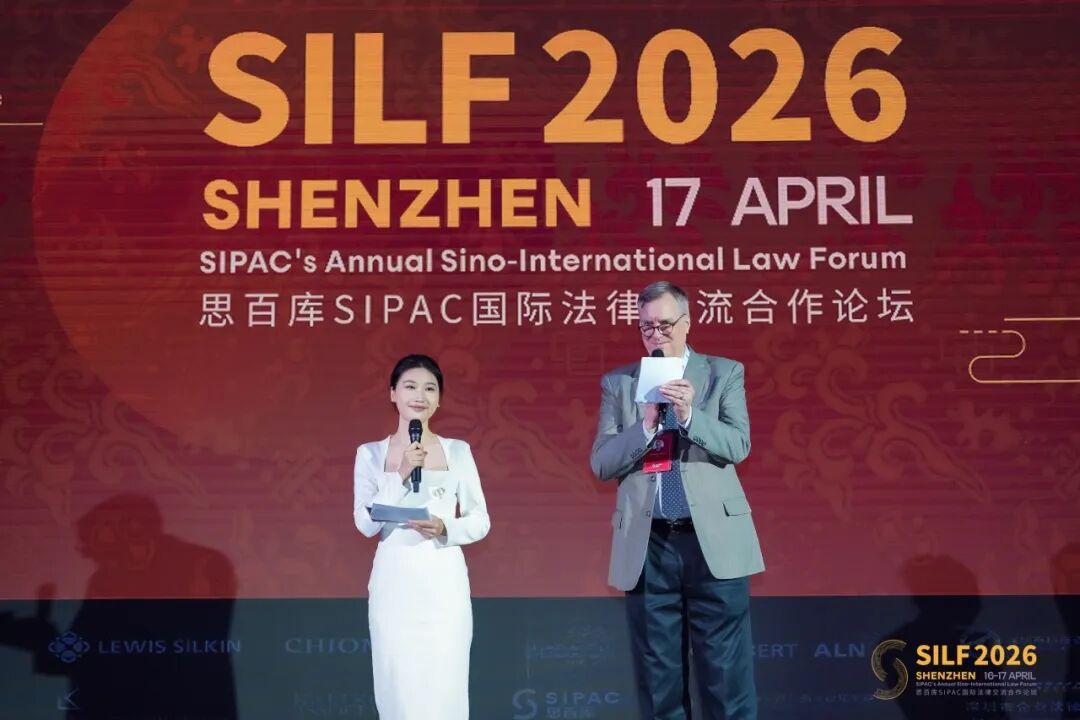
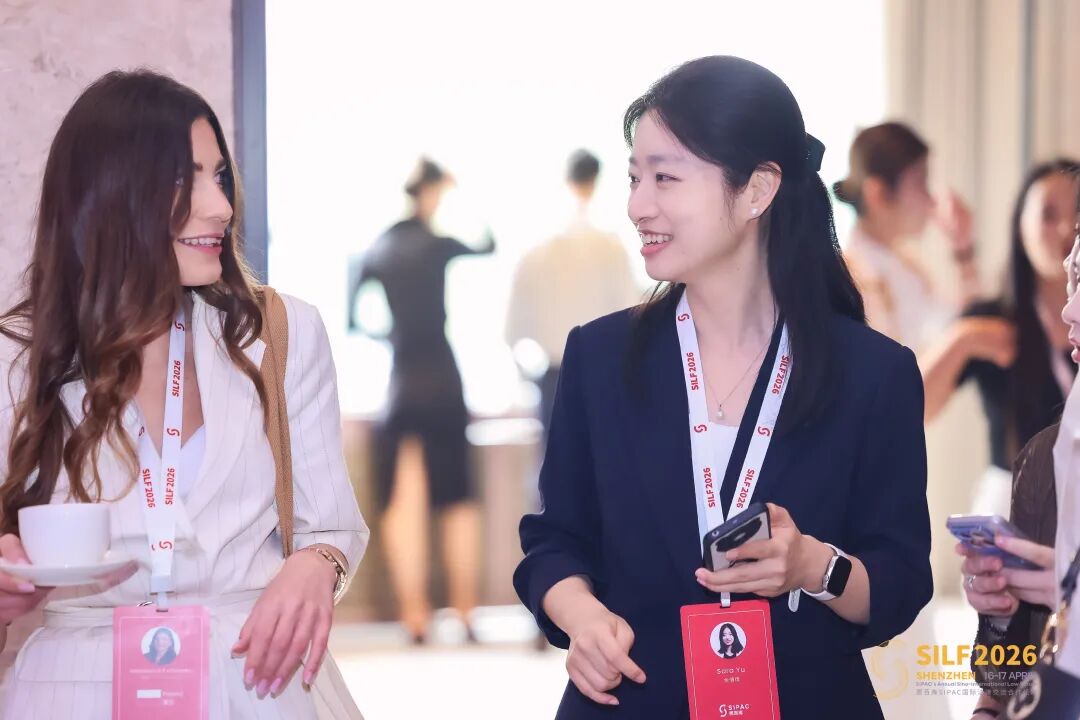
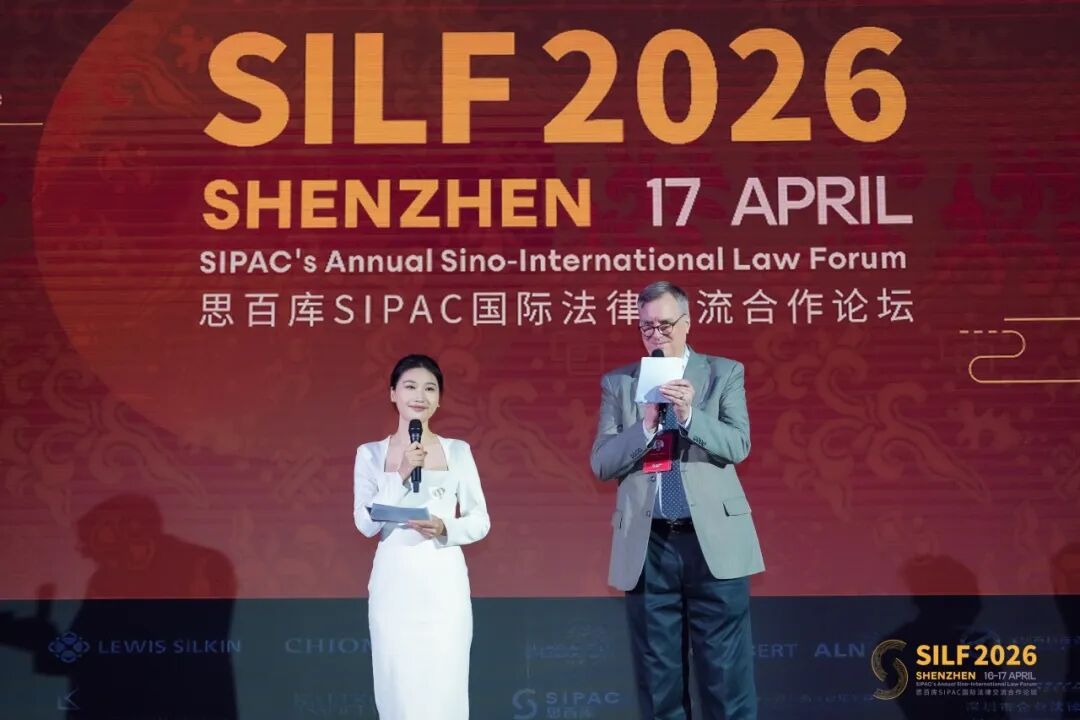
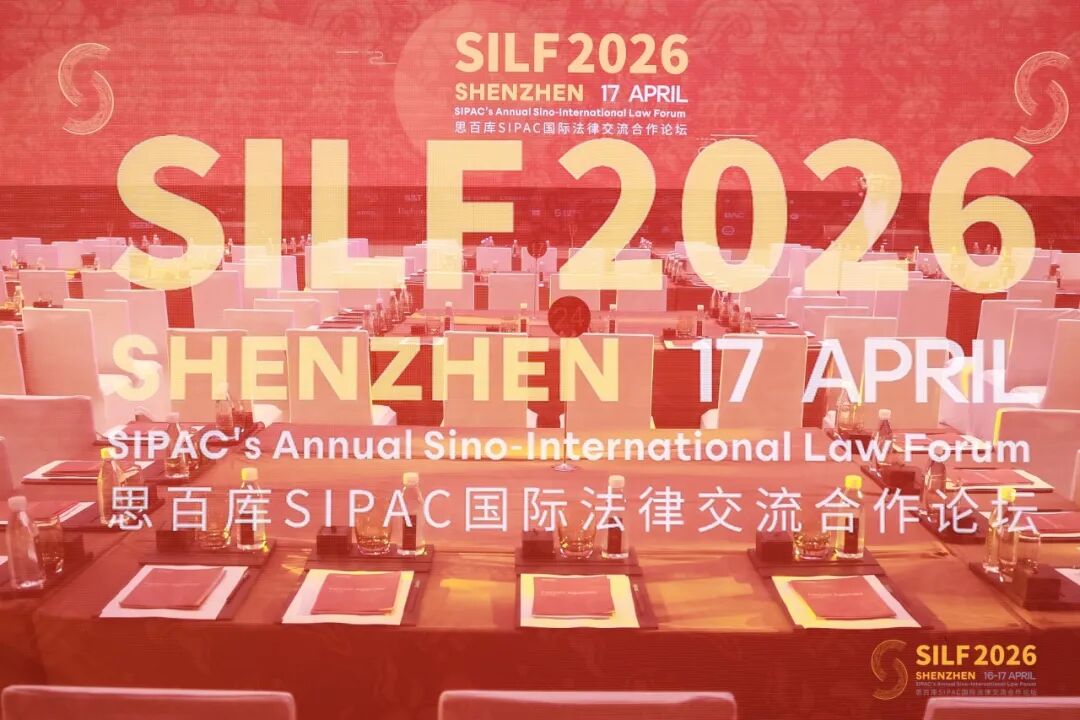
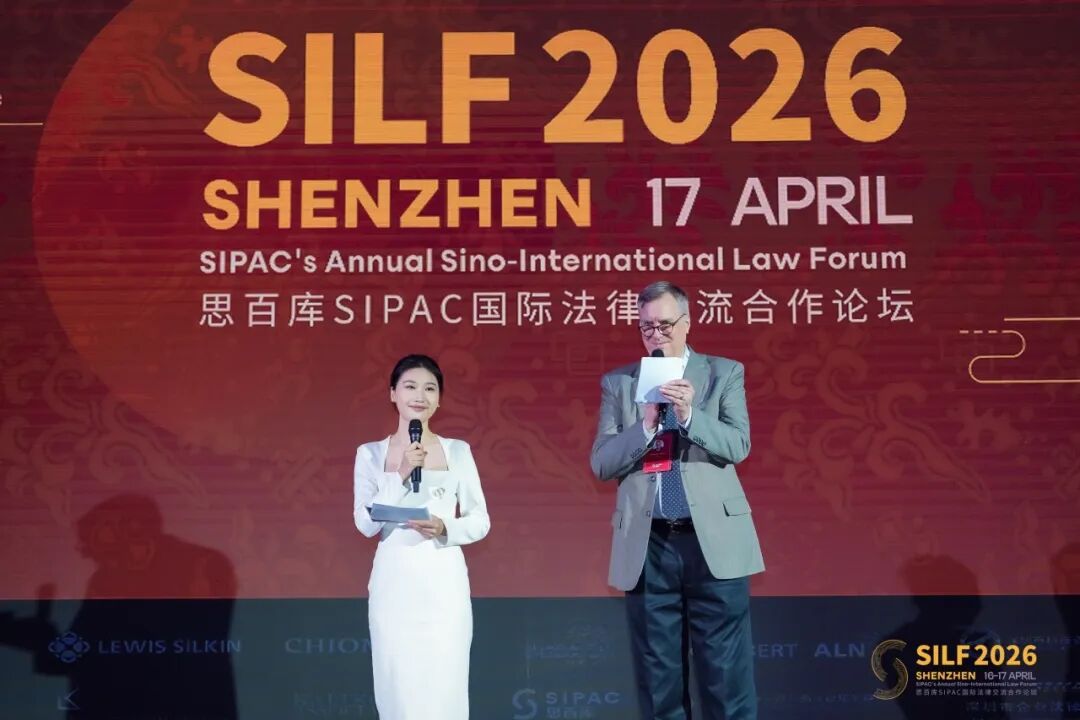
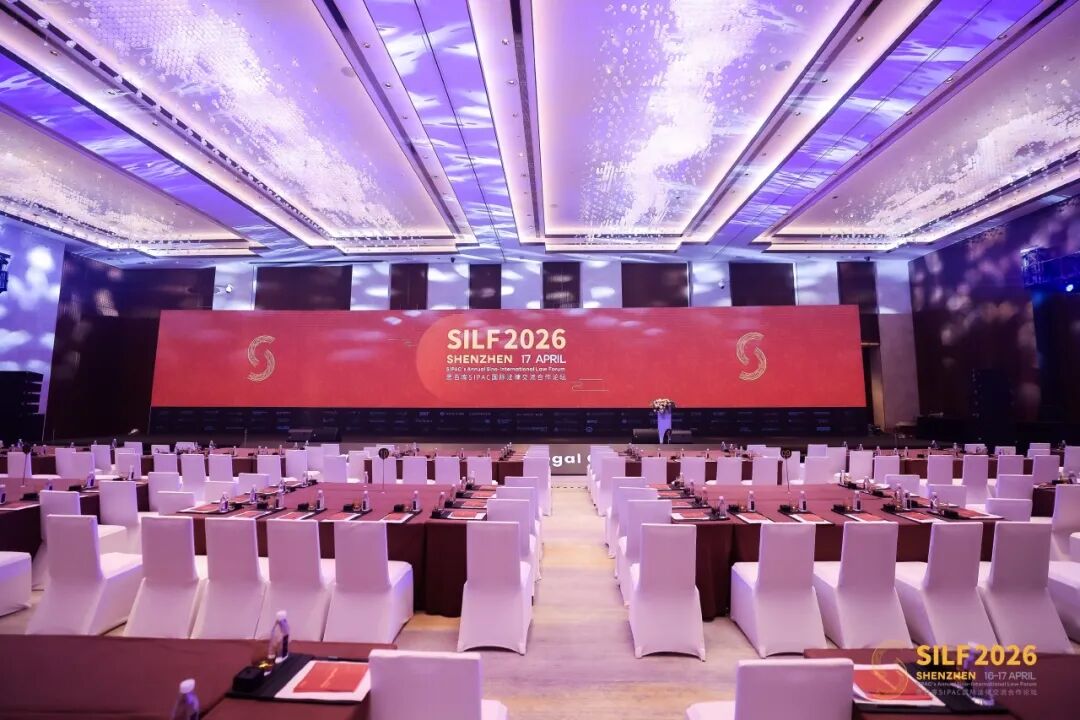
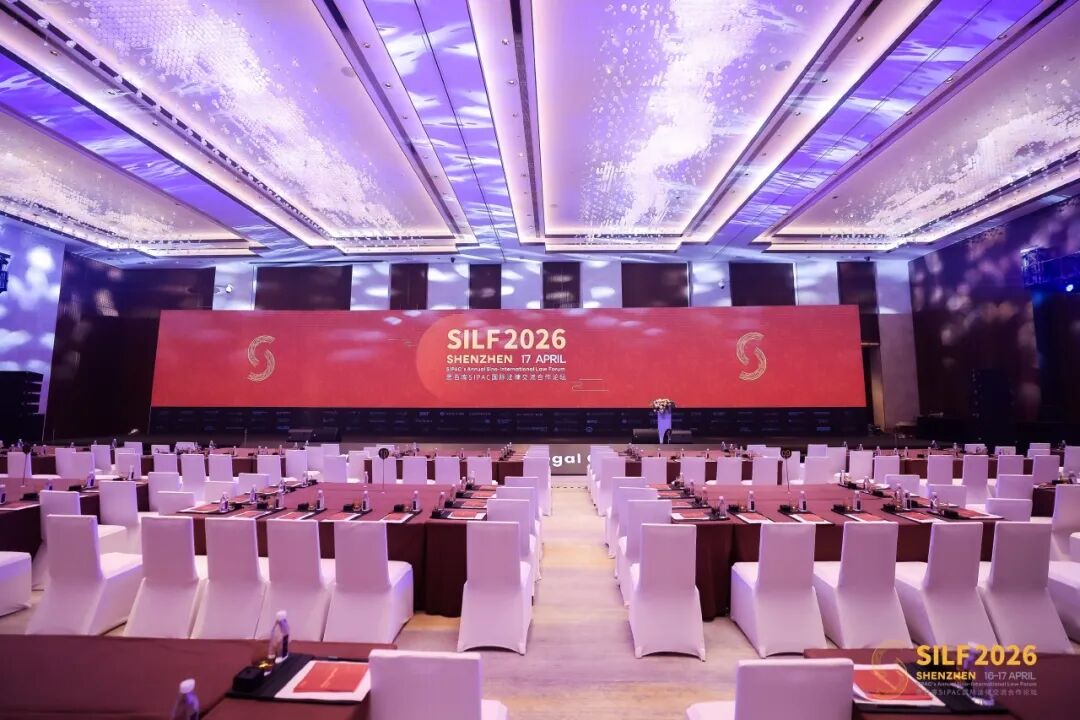
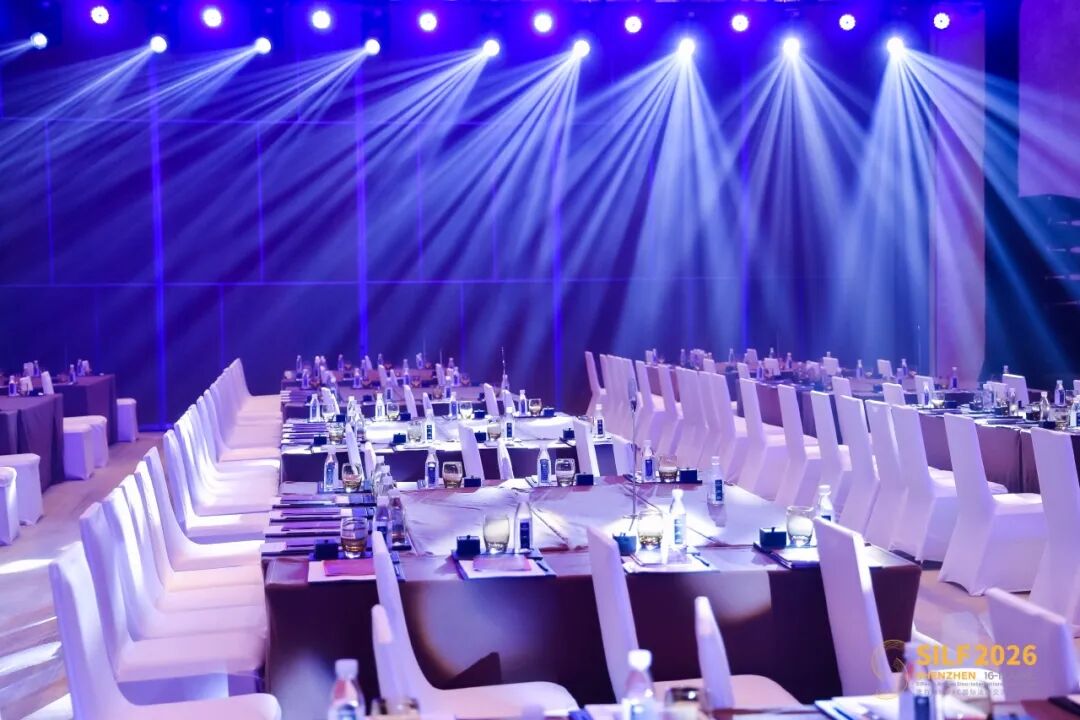
Day 2 highlights · 54 photos
Morning session | Opportunities and challenges in China outbound legal services: finding practical solutions for common “pain points”
This was the big event, and with the amazing support of our local co-organizer, sponsors and supporting organizations, we had a full house, consisting of all of our main Day 1 delegates plus more than 200 additional Chinese law firm lawyers and in-house counsel from across China, and principally from the Greater Bay Area.
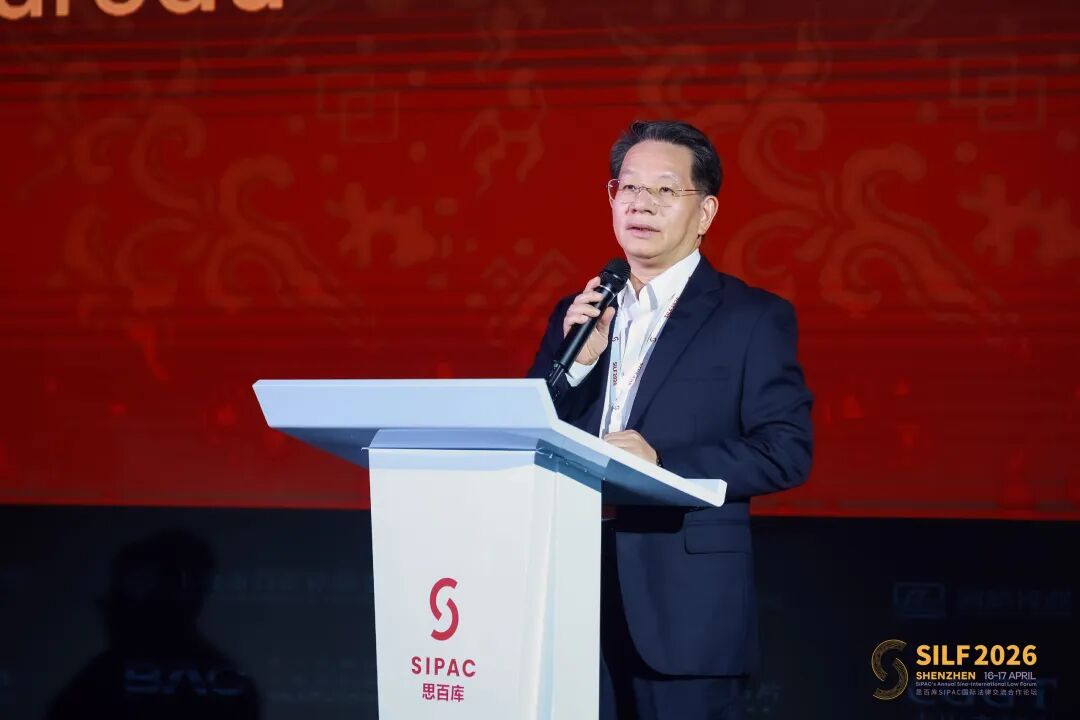
Welcome remarks – Hailei CAO, Deputy Director of the Shenzhen Justice Bureau
We were truly honored to have Hailei CAO, Deputy Director of the Shenzhen Justice Bureau join us to offer opening remarks for the Day 2 open sessions. Providing official support from the Shenzhen government, Mr. CAO presented a vision for the development of world-class international legal resources for Shenzhen enterprises, and welcomed all of the SIPAC delegates from around the world to Shenzhen. This initial collaboration with the Shenzhen Justice Bureau promises to be the first of many more cooperative endeavors in the coming years.
Keynote – Trevor Faure, Smarter Law Solutions, London
Our main keynote speaker for the Day 2 open sessions was Trevor Faure, former global general counsel of EY, and founder and CEO of Smarter Law Solutions. Trevor joined us from London, and immediately following SILF 2026, he flew to Chicago to be a keynote speaker at the annual conference of the Association of Corporate Counsel (ACC).
Trevor was formally introduced by Andy See, International Partner at AnJie Broad Law Firm. Andy initially had worked for many years in the Hong Kong office of a Magic Circle firm, and after a stint as China General Counsel at a major telecoms equipment manufacturer, he was appointed as the Asia General Counsel of Accenture, where he was a member of the global legal department management committee. In that role, he used Trevor’s book as a guide for the restructuring of Accenture’s global legal department.
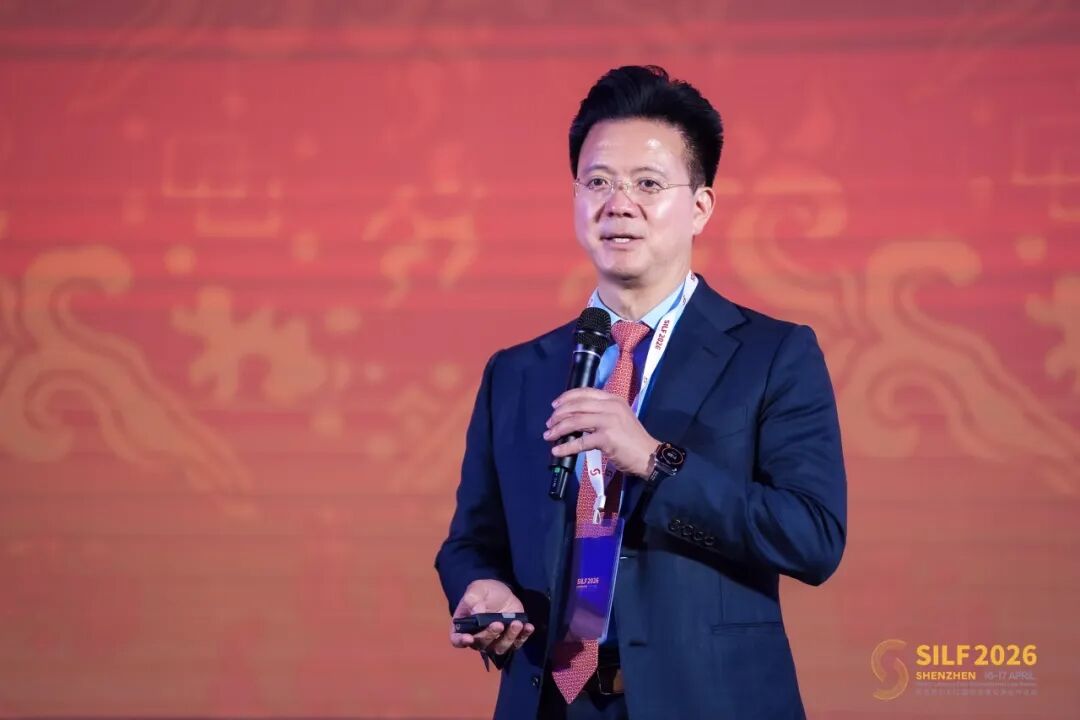
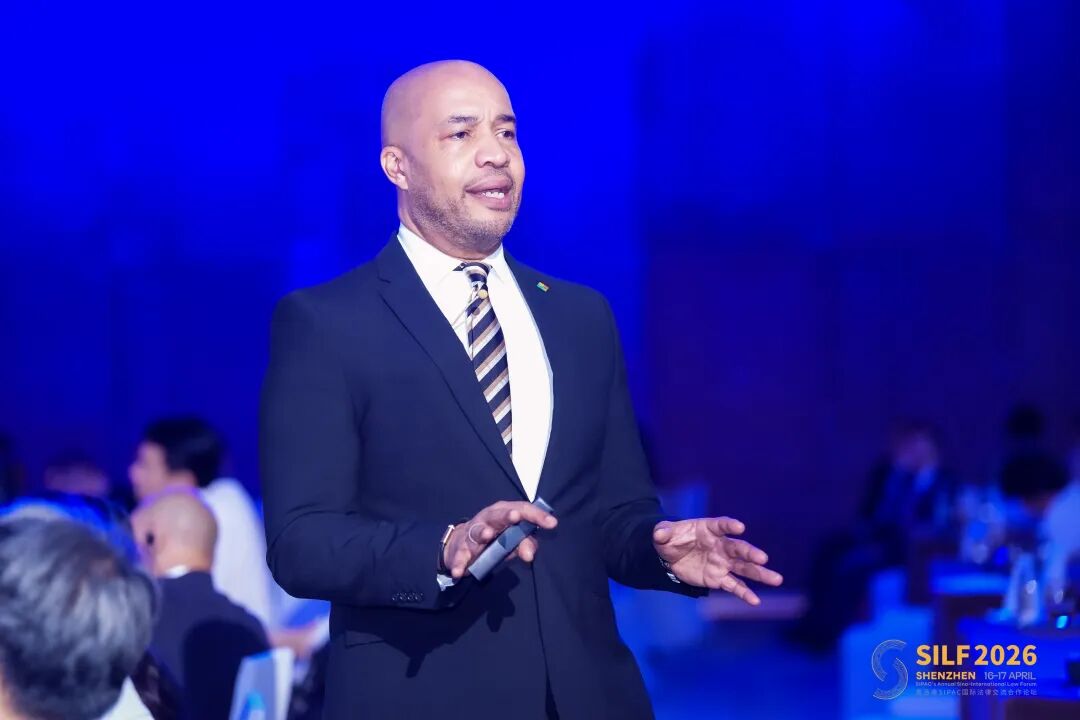
Widely acclaimed as a “rock star” of the global legal profession, Trevor more than lived up to his billing, with his trademark high-energy, engaging and informative presentation covering international best practices for in-house legal departments as well as law firms. Copies of Trevor Faure’s full handout, including extensive embedded hyperlinks to related Smarter Law materials, are available here.
For the in-house side, he provided vivid examples of how to use benchmarking analysis (using results from global surveys) to conduct a comparative assessment for optimal structure and resource allocation for in-house legal department. This was also a key focus of the one-on-one sidebar conversations he had with some of the GCs from the major Chinese companies, who expressed keen interest in extending these benchmarking metrics to include more survey results from Chinese indigenous SOEs and POEs as a counterpoint to the more plentiful foreign MNC metrics included in the comprehensive data sets.
He also introduced real-world examples of how in-house law departments can make better use of internal and external legal resources through disaggregation of legal workstreams into relevant tiers, including through appropriate leveraging of systematized legal services and legal AI tools to achieve better value at lower cost.
For the law firm side, Trevor modelled how best-in-class professional services organizations, such as top international law firms and Big Four global accounting firms, maximize use of their business development spend (in terms of both money and time) in a systematic manner to win more work from the best clients.
These concepts, drawn from real-world experience at the highest levels of the international legal profession, provided inspiration to all delegates, whether from China’s top law firms or from smaller law firms or (as is common in the vast majority of Chinese law firms, even those of massive scale) all the way down to the individual partner-led teams. Similarly, these same principles can find application in the largest in-house departments in major Chinese group companies or in smaller in-house departments in early-stage tech start-ups that have to build the entire legal affairs management system from scratch. All were able to identify key elements of Trevor’s presentation that could be adapted for use in the context of their individual circumstances.
Keynote – Robert Lewis, SIPAC Chairman
Against this backdrop of international best practices, SIPAC Chairman Robert Lewis next presented some of the preliminary findings of SIPAC’s year-long consultation process designed to identify key pain points encountered by in-house counsel, China lead counsel and foreign local counsel in connection with China outbound legal matters. As noted in the description of Panel 4 in the Day 1 closed-door session (see above), from hundreds of hours of consultations with Chinese law firm lawyers as well as foreign lawyers, Robert had extracted the key common elements for incorporation into a 15-hour training program. In this keynote address, Robert attempted to distill all of this information further into a few key themes to help provide a framework for understanding what often goes wrong in this process and what all of us can do better in order to achieve better results.
The key observations identified in this presentation revolved around the fact that the Chinese side (including the client business team, the in-house legal team and the China lead counsel) and the foreign local counsel side are not always speaking the same language – the terms used may be the same, but the understanding of those terms can be worlds apart. This leads to misapprehensions as to the nature and scope of the work to be done, which in turn can end in frustration on all sides.

Full video recording of Robert Lewis’s keynote
On the foreign counsel side, we need to better understand the new China business culture, which values speed and low cost over comprehensiveness of the work product in most cases. We have to be faster, more efficient, while still providing effective legal solutions that align more closely with Chinese clients’ business objectives.
For the China side, there needs to be a better appreciation of the differences between international business culture, regulatory environment and legal practice and how things are done in China, which in turn will help improve understanding of the nature and scope of related legal risks outside of China.
Congratulations – your lecture was the best I have heard this year! It addressed all of the mismatches we should overcome and gave an explanation as to why the mindsets [of the Chinese side and the foreign side] are so different. If the person [on the China client side] thinks like an engineer, of course, the legal service delivery model must be different.
— Partner from a SIPAC member firm
Key drivers of these divergent expectations include the fact that most Chinese clients typically will have a higher risk tolerance than most international clients, which expresses itself in expectations of a narrower work scope and a more streamlined work product, which then aligns more closely with the time and cost expectations of Chinese clients.
On the other hand, Chinese companies generally face higher levels of risk in the form of increased regulatory scrutiny, and as such, they will need to have increased appreciation for the fact that by focusing on cutting costs up front, this may only result in increased delays, costs and reputational damage at the back end.
In the end, both sides need to make adjustments to find the right balance. This is a core mission of SIPAC – to help both sides better understand and adapt to the expectations of the other side. All of this is part of the process of building a true Sino-global legal community where we can work together more effectively for the benefit of Chinese companies as they continue to expand their business operations around the world.
Keynote – Stefan Nigam, TransPerfect Legal Solutions
In their keynote addresses, both Trevor and Robert noted the potential for legal AI tools and solutions to improve the value proposition of legal services, particularly with respect to lower-end commoditizable work. In line with those observations, we were pleased to invite Stefan Nigam of TransPerfect Legal Solutions to provide updates on use cases for AI in international practice, highlighting what works and what doesn’t work.
TransPerfect Legal Solutions has extensive expertise in all aspects of document/data review in connection with disputes and investigations, and by referencing actual cases involving Chinese companies outside of China, Stefan was able to illustrate the value proposition of AI document review tools.
The challenges that drive up the costs in connection with data review in the context of disputes and investigations include the massive volume of the data, including chat and mobile data, which may be in multiple languages and be under the control of different custodians. Adding to the complexity and expense is the fact that these reviews typically must be conducted under tight timelines with substantial penalties for delays. There are also complications arising from the need to conduct privilege reviews and to comply with cross-border data transfer restrictions.
AI data review tools can address many of these concerns, but at the same time professional users must take care to put in place safeguards for data security, confidentiality and (perhaps most importantly) verifiability, all of which present potential significant risks. Stefan’s final takeaways included: (1) users must avoid the garbage-in garbage-out trap; (2) users need to identify verifiable use cases for each type of tool in order to achieve suitable results; and (3) AI will not and cannot replace lawyers – AI always requires “human-in-the-loop” review for ultimate verification.
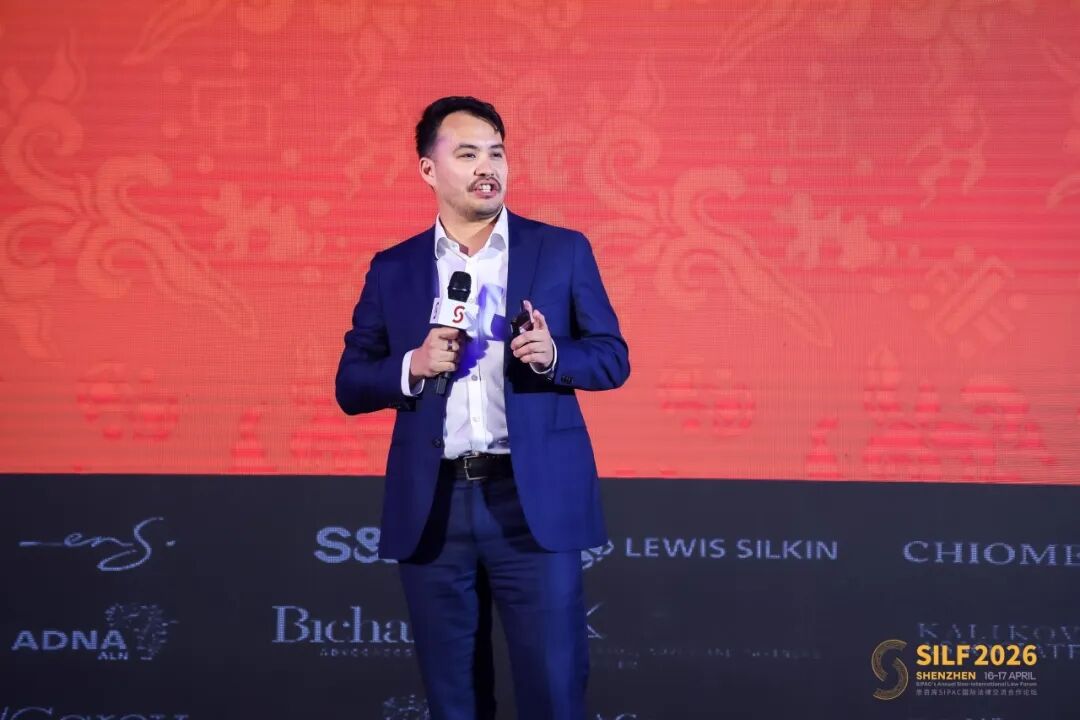
Afternoon session | Brainstorming sessions to identify and rank key “pain points” in China outbound legal matters
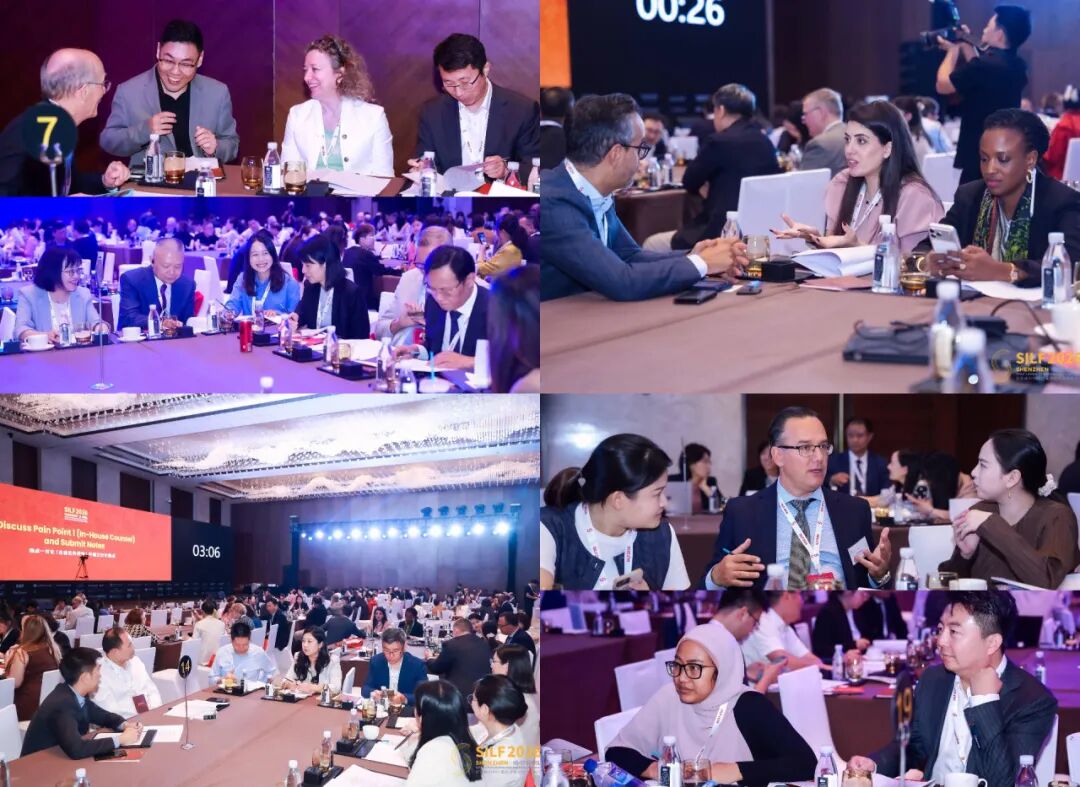
The final session of SILF 2026 was the culmination of all that had come before – in this session, we were able to involve all of the participants in discussion groups organized by common practice area or industry segment and consisted of Chinese in-house counsel, China lead counsel and colleagues from SIPAC members and friends from around the world.
| Tables | Industry sector / practice area |
|---|---|
| 1 / 11 / 21 | International Dispute Resolution |
| 2 / 12 / 22 | International Infrastructure / Natural Resources / Energy Projects |
| 3 / 13 / 23 | International Compliance Risk Management |
| 4 / 14 / 24 | International M&A / Greenfield Investment |
| 5 / 15 / 25 | International Intellectual Property |
| 6 / 16 / 26 | Consumer Goods Sector |
| 7 / 17 / 27 | Automotive Sector |
| 8 / 18 | e-Commerce Sector |
| 9 / 19 | TMT Sector |
| 10 / 20 | Financial Services / Fintech Sector |
The objective of the discussion groups was to identify key “pain points” from the perspective of the client, China lead counsel and foreign local counsel and then to suggest some solutions, i.e. what each side can do to address the issue in the most efficient and effective manner.
Each group was given an outline listing several possible “pain points” for each of the three categories of participants in the outbound process (in-house, China lead counsel and foreign local counsel). The group was instructed first to select one topic for each of the in-house counsel role, the China lead counsel role and the foreign local counsel role. This was to be the topic that represented the most important “pain point” in the view of the group members. These selections by each discussion group were then entered into a survey form for comparison purposes.
Top selections of in-house counsel pain points
How to describe the scope of work for outside counsel so that outside counsel can provide a fast and tailor-made fee quote that ensures it will be able to deliver the appropriate range of legal services within the agreed budget, so that the business objectives of the business team can be achieved and later avoidable losses of time and money can be reduced
How to persuade the business team to provide appropriate budget for different categories of international legal services in order to achieve the business objectives of the business team and reduce later avoidable losses of time and money
How to quickly find and access the most qualified legal counsel in more than 150 countries to provide appropriate quality of service at a competitive price
How to frame the outside counsel qualifications in the RFP to ensure that outside counsel has the necessary qualifications and experience to deliver the quality of services needed to achieve the business objectives of the business team and reduce later avoidable losses of time and money
Each group was then instructed to discuss each selected topic from each of their various perspectives to identify potential ways in which they and the other participants can help solve that problem. Discussion group leaders were requested to make brief notes (consisting of 2-3 bullet points) regarding which issues were discussed and what solutions were proposed for each such issue.
Top selections of China lead counsel pain points
How to help foreign counsel understand and meet the client’s legal budget expectations
How to quickly find and access the most qualified legal counsel in more than 150 countries to provide appropriate quality of service at a competitive price so you can win more outbound work from your clients
How to allocate work between China lead counsel and foreign local counsel so as to have the right team do the right categories of work while at the same time giving each side appropriate financial rewards for their respective contributions
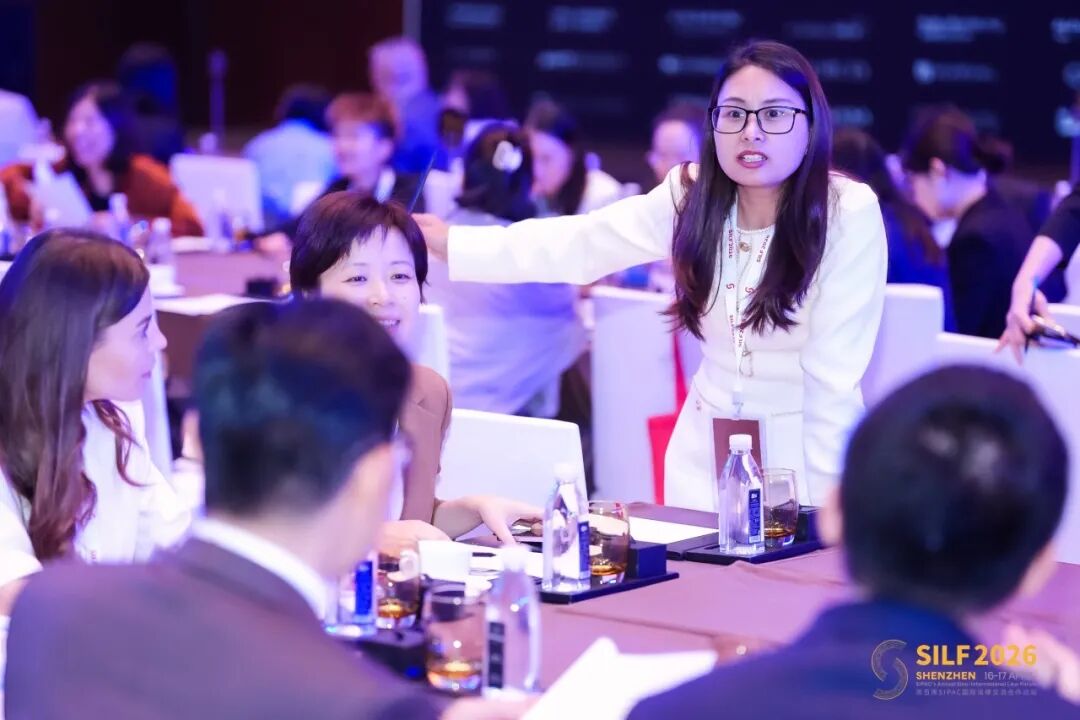
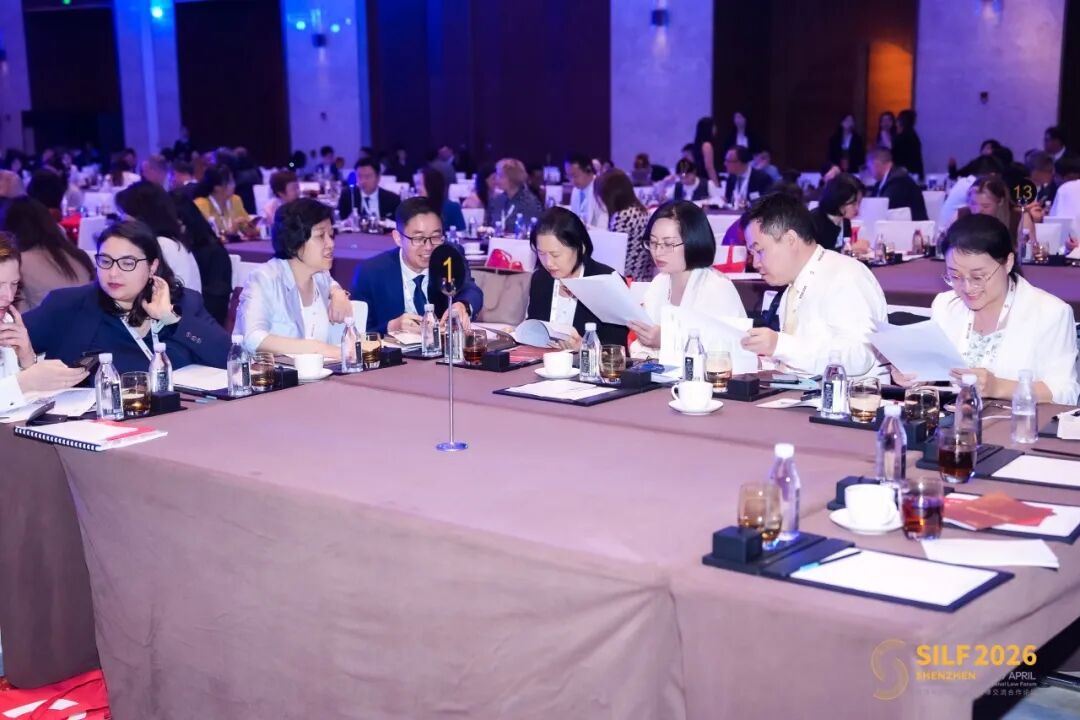
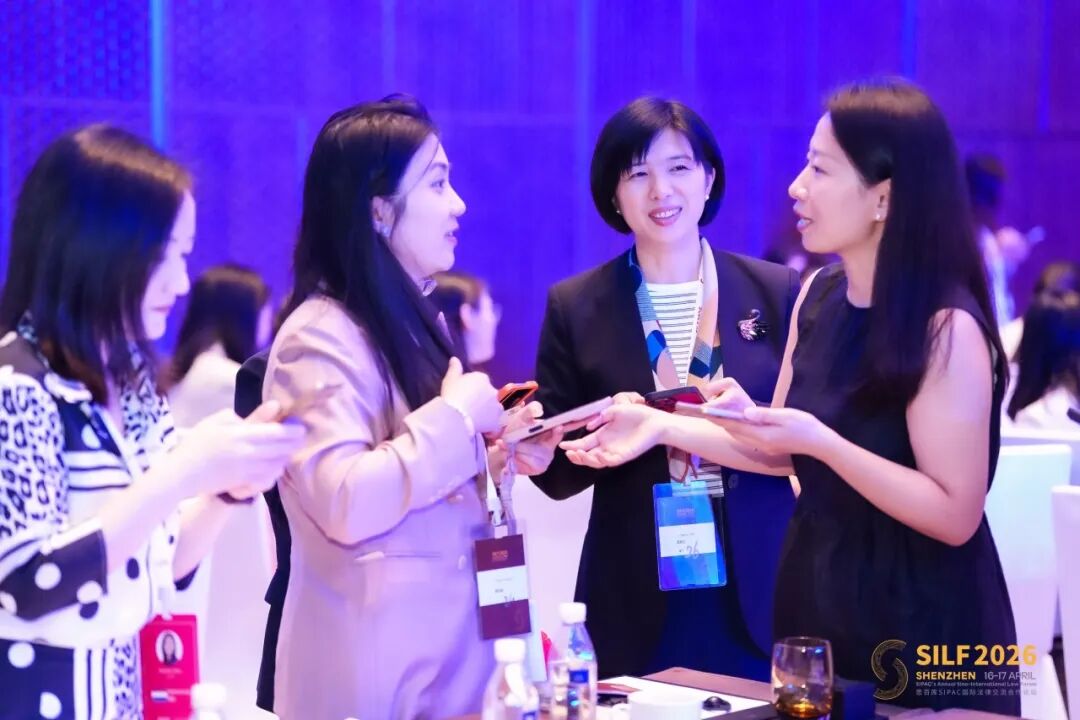
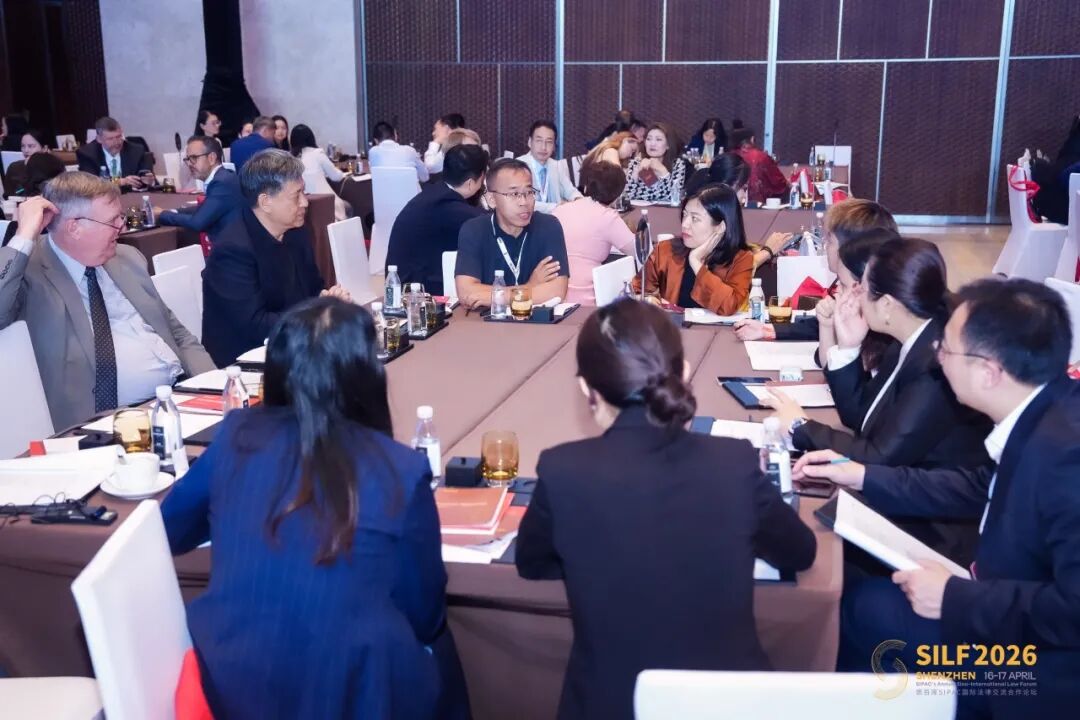
The conference attendees all actively engaged in the discussion groups, and even though ample time was allotted for discussion of each selected topic, the conversations extended well beyond the scheduled time. The most important comments came from the participating in-house counsel – we had previously had the opportunity to talk with hundreds of Chinese law firm lawyers, but this was the first opportunity we had to discuss these issues directly with such a large group of Chinese in-house counsel in a systematic way. This made these brainstorming sessions the most valuable of all the conversations we had conducted to date as part of the year-long consultation process.
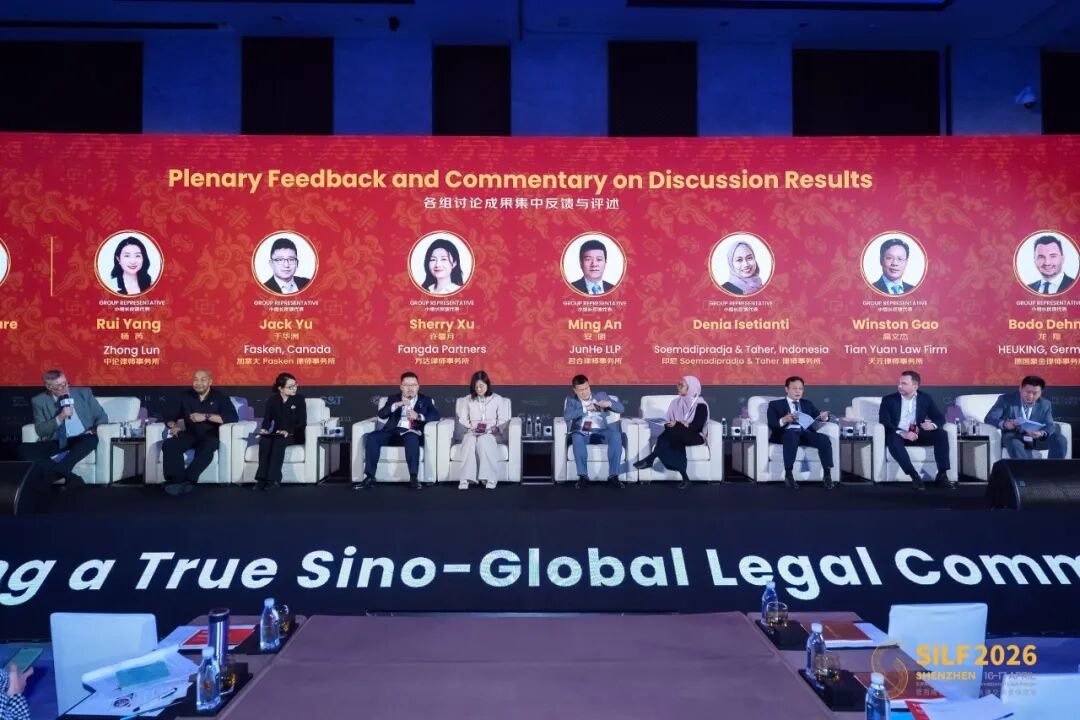
Following the conclusion of the discussion group segment, a panel was organized comprising selected discussion group leaders, including: Winston Gao, a partner at Tian Yuan Law Firm and head of the Outbound Committee of the Shenzhen Lawyers Association; Jack Yu, Head of China Desk at Fasken, the SIPAC member firm for Canada; Ming AN, a partner in JunHe’s Shenzhen office; Bodo Dehne, Co-Head of China Desk at HEUKING, the SIPAC member firm for Germany; Sherry Xu, a partner at Fangda who previously worked for many years at a Magic Circle firm; Denia Isetianti from S&T, the SIPAC member firm for Indonesia; Rui YANG, a partner at Zhong Lun; and Benran HUANG, a partner at Haiwen. Trevor also joined the panel discussion to provide feedback on the points raised from an international perspective. SIPAC Chairman Robert Lewis moderated the panel discussion.
As can be seen from the survey results above, there were some common themes that cut across all of the three categories, from in-house counsel to China lead counsel to foreign local counsel.
The first key theme that became apparent was the need to have a clearly defined scope of work from the client. As one discussion group leader (from the automotive discussion group) reported on this point, “In many cases, the client knows the business objective but not yet the most efficient legal route to achieve it. Our role [as outside counsel] is to guide that process, highlight risks, and structure the next steps clearly.” The consensus view was that in order to be able to do this, the role of China lead counsel as the bridge between the client team and foreign local counsel is of critical importance.
Another member of the panel, a partner from a leading Red Circle firm, reinforced this point by noting that the accuracy of the work scope directly affects the accuracy of the legal budget and fee proposal. She emphasized that China lead counsel must first fully understand the client’s business objectives, and then translate those commercial needs into clear legal questions and work instructions for foreign counsel. Only in this way can foreign counsel provide practical and concise advice that is directly responsive to the client’s business needs.
A second key theme related to how to find qualified legal counsel in 150+ countries around the world where Chinese companies are engaging in business operations, which was identified as a “pain point” by both the Chinese in-house counsel and the China lead counsel.
One of our panel members, Sherry Xu, a partner from Fangda, a leading Red Circle firm, noted that the answer was simple – contact SIPAC! She had worked for many years in a Magic Circle firm, so already had firms she had worked with in a number of jurisdictions, but she saw that SIPAC was able to provide much more coverage across the globe than her personal connections could cover.
Robert thanked Sherry for her kind endorsement (one that was repeated almost universally in the other group leader discussion notes) and further mentioned that a general counsel in a Shenzhen company, who had attended numerous prior SIPAC events and used the SIPAC platform to request introductions to foreign counsel on multiple occasions covering dozens of jurisdictions, had recently told him that she was too busy to come to SILF 2026. “I don’t need to come,” she said, “because when I need a referral, I know I can just contact SIPAC!”
All of the discussion notes from each of the groups have been collected by the SIPAC team, and these notes will form an important part of the reference materials for all of the members of the SIPAC Sino-global legal community going forward.
Closing remarks – Flora Chi, SCIA
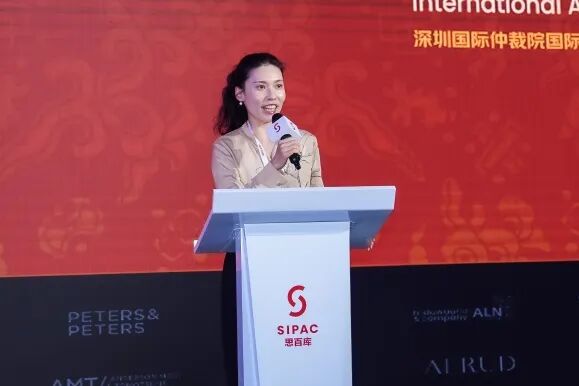
As a fitting conclusion to the Day 2 open sessions, we were privileged to have Flora Chi of the Shenzhen Court of International Arbitration deliver some closing remarks, tying together the dynamic environment of the Shenzhen business and legal community with the international scope of the SIPAC platform, and confirming once again the strong leadership role of the SCIA in helping to bring the members of this Sino-global legal community together in Shenzhen!
Evening | Closing dinner and the SIPAC Choice Awards 2026
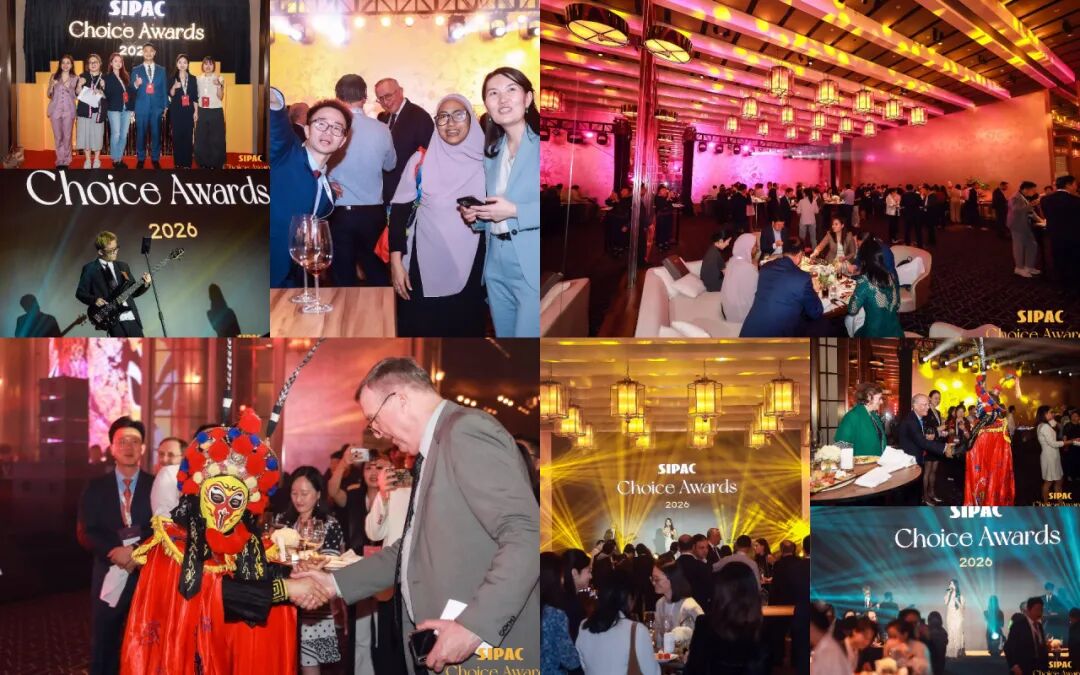
After two full days of productive presentations and discussions, it was time to party! The delegates returned to the Andaz Shenzhen Bay for a festive closing dinner and the first-ever SIPAC Choice Awards, where SIPAC was able to honor members of our Sino-global legal community.
The delegates all enjoyed great food and amazing entertainment with friends from top Chinese law firms and SIPAC members and friends in a lively yet sophisticated environment. But the highlight of the evening was the presentation of the SIPAC Choice Awards.
The SIPAC Choice Awards are not rankings but are a way to recognize those we have worked with and rate highly as well as those who have made important contributions to the SIPAC platform.
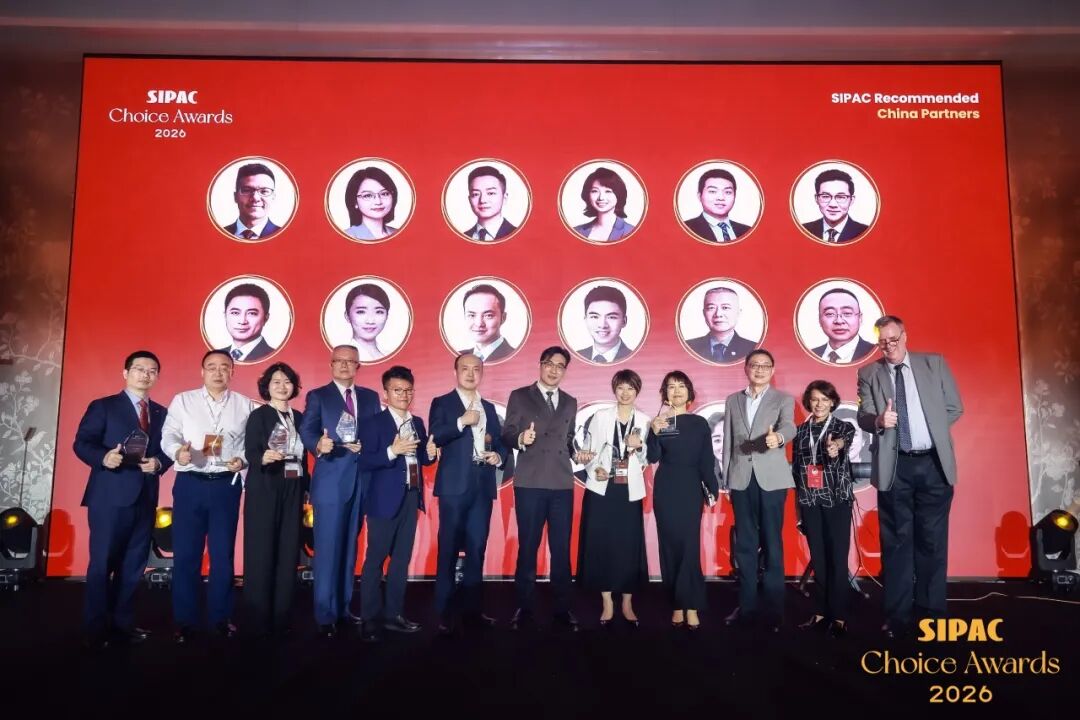
SIPAC Recommended China Partners
The first set of awards went to the Chinese lawyers who completed the first edition of the 3-part SIPAC Lead Counsel Training Program, and who have thus earned recognition as the first group of SIPAC Recommended China Partners. They also made important contributions to the training program through their real-time feedback on pre-class and in-class surveys, which are instructive for all of our SIPAC foreign lawyers as well as for the Chinese lawyers who will follow in their footsteps in future training sessions. The recipients of this first set of SIPAC Choice Awards included:
| No. | Name | Firm |
|---|---|---|
| 1 | Lear Liu | Commerce & Finance Law Offices |
| 2 | Olivia Wu | Dacheng Law Offices |
| 3 | Chris An | DHH Law Firm |
| 4 | Shuxin LIAO | Merits & Tree Law Offices |
| 5 | Parker Peng | Hylands Law Firm |
| 6 | Hao JING | DeHeng Law Offices |
| 7 | Jason Zhu | Tiantai Law Firm |
| 8 | Dancy Wang | AllBright Law Offices |
| 9 | Yitong WANG | King & Wood |
| 10 | Kaitian LUO | Anli Partners |
| 11 | Robin Luo | Dacheng Law Offices |
| 12 | Yigang XIAO | Beijing Yunting Law Firm |
| 13 | Vicky Fei | Tiantai Law Firm |
| 14 | Lylian Zhao | Jingsh Law Firm |
| 15 | Amy Deng | Chance Bridge Law Firm |
| 16 | Jin ZHENG | DeHeng Law Offices |
| 17 | Rachel Zhang | Grandall Law Firm |
| 18 | Xiang LI | DHH Law Firm |
The awards were presented by SIPAC Chairman Robert Lewis together with Xiangmin XU of Sunshine Law Firm (China faculty member) and Sonal Tejpar of ALN Kenya | Anjarwalla & Khanna (international faculty member).
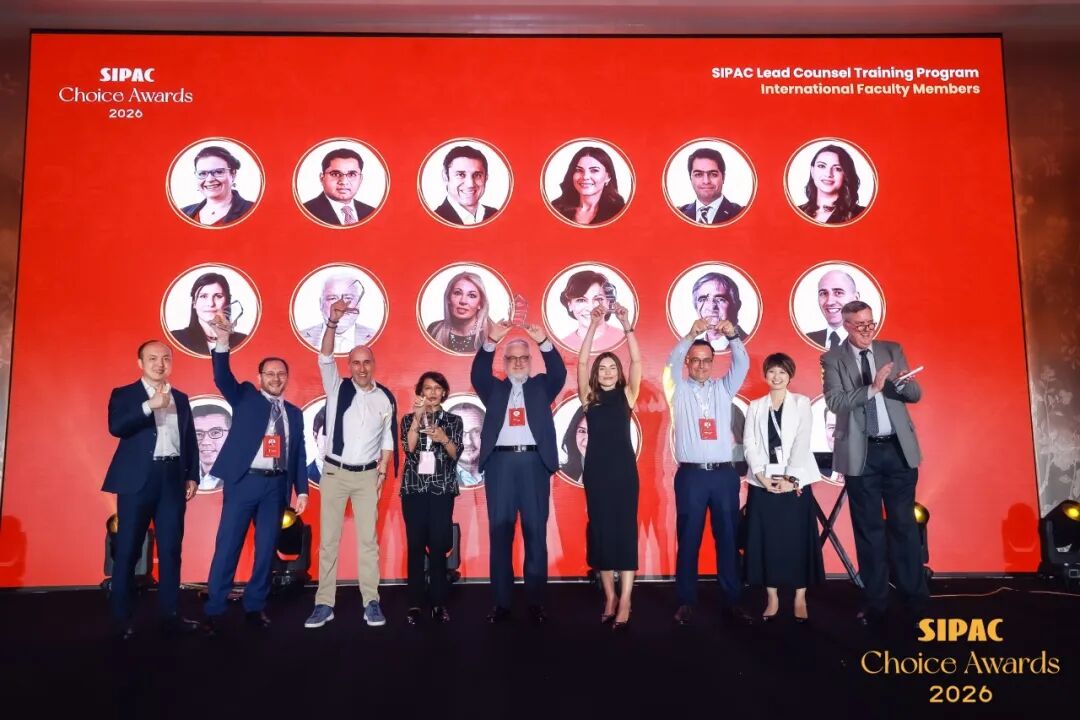
SIPAC Lead Counsel Training Program – International Faculty Members
In this next set of awards, we recognized the international lawyers who participated in the in-depth interviews for the training program. Their contributions formed the bulk of the training content, and they all shared valuable insights on how to manage cross-firm/cross-jurisdictional matters. Moreover, all demonstrated a strong commitment to the China market, and we are confident that as we have more Chinese lawyers participate in the SIPAC Lead Counsel Training Program, these international faculty members will become “rock stars” in the China legal profession! The international faculty members recognized for their great contributions included:
| No. | Name | Firm |
|---|---|---|
| 1 | Viktória Szilágyi | Lakatos, Köves and Partners, Hungary |
| 2 | Anuj Shah | Khaitan & Co, India |
| 3 | Nicholas Buckland | Lewis Silkin, UK |
| 4 | Aleksandra Ryżkowska | SSW Law & Beyond, Poland |
| 5 | Behnam Khatami | Nami Associates, Iran |
| 6 | Marina Theodorou & Sabina Timotheou | GZG, Cyprus & Greece |
| 7 | Maxim Alekseyev | ALRUD, Russia |
| 8 | Jelena Gazivoda | JPM & Partners, Serbia |
| 9 | Sonal Tejpar | ALN Kenya | Anjarwalla & Khanna |
| 10 | Luciano Ojea Quintana | Marval, O’Farrell & Mairal, Argentina |
| 11 | Murillo Allevato | Bichara Advogados, Brazil |
| 12 | Kenny Chiu | ENS, South Africa |
| 13 | Raku Raku | Anderson Mori & Tomotsune, Japan |
| 14 | Alexandru Bîrsan | Filip & Company, Romania |
| 15 | Fatma Salah | Riad & Riad Law Firm, Egypt |
| 16 | Julie Raneda | Schellenberg Wittmer, Switzerland |
| 17 | Thomas Calvert | Al Tamimi & Company, UAE |
We invited SIPAC Recommended China Partners Yitong WANG and Shuxin LIAO to assist Robert with the presentation of the awards, in the tradition of students honoring their teachers.
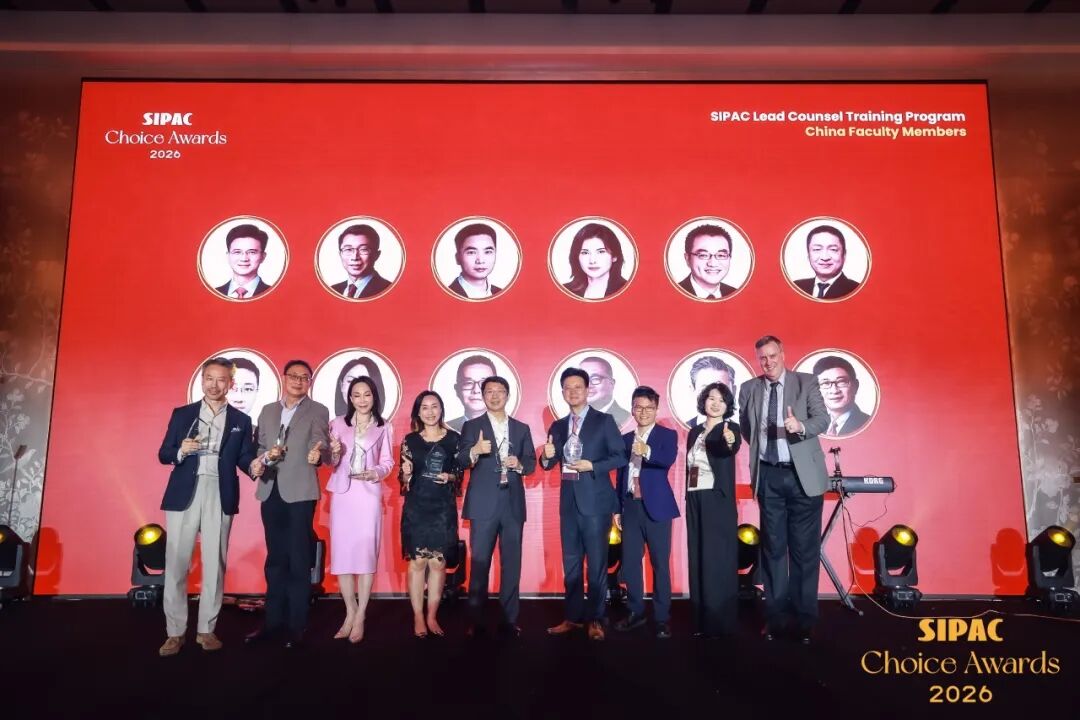
SIPAC Lead Counsel Training Program – China Faculty Members
Following the awards for the international faculty members, we were pleased to recognize our China faculty members for the initial trial program of the SIPAC Lead Counsel Training Program. The China faculty members recognized for their important contributions to the training program included:
| No. | Name | Firm |
|---|---|---|
| 1 | Andy See | AnJie Broad Law Firm |
| 2 | Jing WANG | Tian Yuan Law Firm |
| 3 | Felix Lu | AllBright Law Offices |
| 4 | Shifang GUO | Global Law Office |
| 5 | Michael Qi | Fangda Partners |
| 6 | Frank Wu | DeHeng Law Offices |
| 7 | Guoqing LI | Jingtian & Gongcheng |
| 8 | Julia Zhang | Haiwen & Partners |
| 9 | Gary Gao | Zhong Lun Law Firm |
| 10 | Elvis Zhou | JunHe LLP |
| 11 | Jin XIONG | King & Wood |
| 12 | Xiangmin XU | Sunshine Law Firm |
Their contributions were the key to the entire training program because they represented the highest standard of cross-border lawyers in China. All are top partners at top law firms with extensive international work experience. A key part of our conversations with them was for the benefit of our SIPAC foreign law firm members around the world, so we as foreign local counsel could better understand how we can improve how we collaborate with Chinese lawyers.
We invited SIPAC Recommended China Partners Lear Liu and Vicky Fei to assist Robert with the presentation of the awards, again as a way for the students to show respect for their teachers.
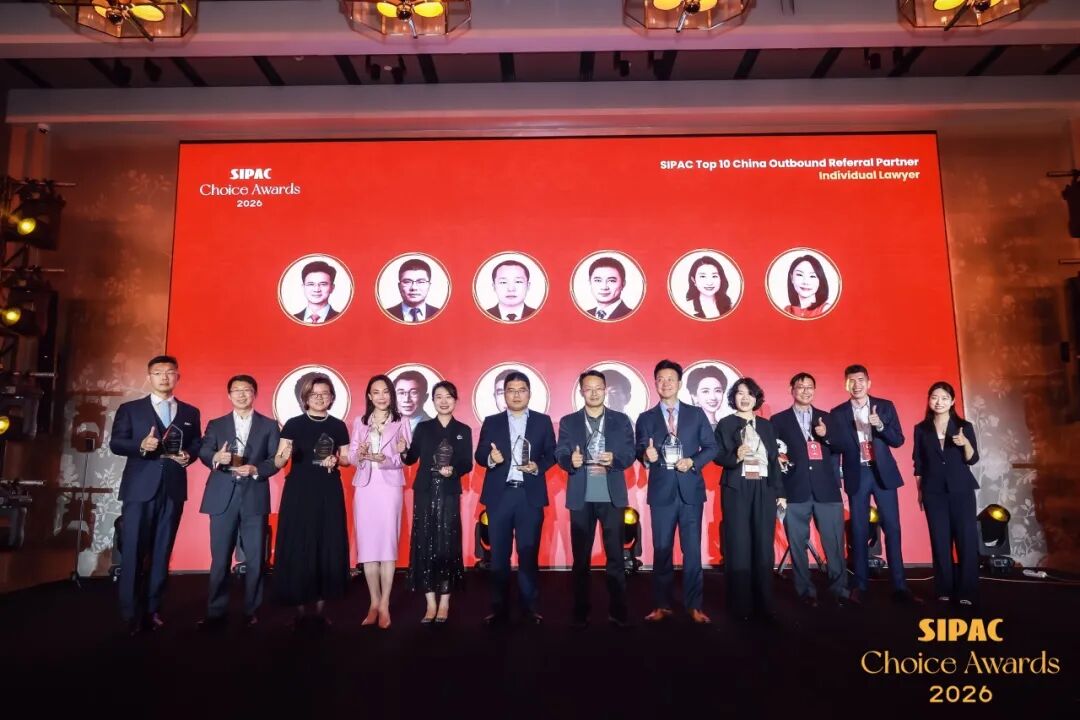
SIPAC Top 10 China Outbound Referral Partner – Individual Lawyer
The mission of the SIPAC platform is to provide all cross-border lawyers in China with access to a global network of leading independent law firms. Since our last Sino-International Law Forum event, we have made hundreds of introductions of Chinese lawyers to our SIPAC members and friends in almost 140 jurisdictions around the world. At the SIPAC Choice Awards 2026, we were pleased to recognize 10 individual lawyers/teams who have been the most active in utilizing the SIPAC platform over the last year.
| No. | Name | Firm |
|---|---|---|
| 1 | Jihong CHEN & Jiawei WU | Zhong Lun Law Firm |
| 2 | Leo Zhou | Commerce & Finance Law Offices |
| 3 | Julia Zhang | Haiwen & Partners |
| 4 | Jing WANG | Tian Yuan Law Firm |
| 5 | Joyce Yang | PacGate Law Group |
| 6 | Andy See | AnJie Broad Law Firm |
| 7 | Henry Hou | Global Law Office |
| 8 | Martin Ye | Sundial Law Firm |
| 9 | Jason Zhu | Tiantai Law Firm |
| 10 | Rui YANG | Zhong Lun Law Firm |
We invited SIPAC members Lee Cheng of Buchalter (USA) and Eric Dykimching of Cruz Marcelo & Tenefrancia (Philippines) to assist Sara Yu, SIPAC Head of Global Content, with the presentation of the awards.
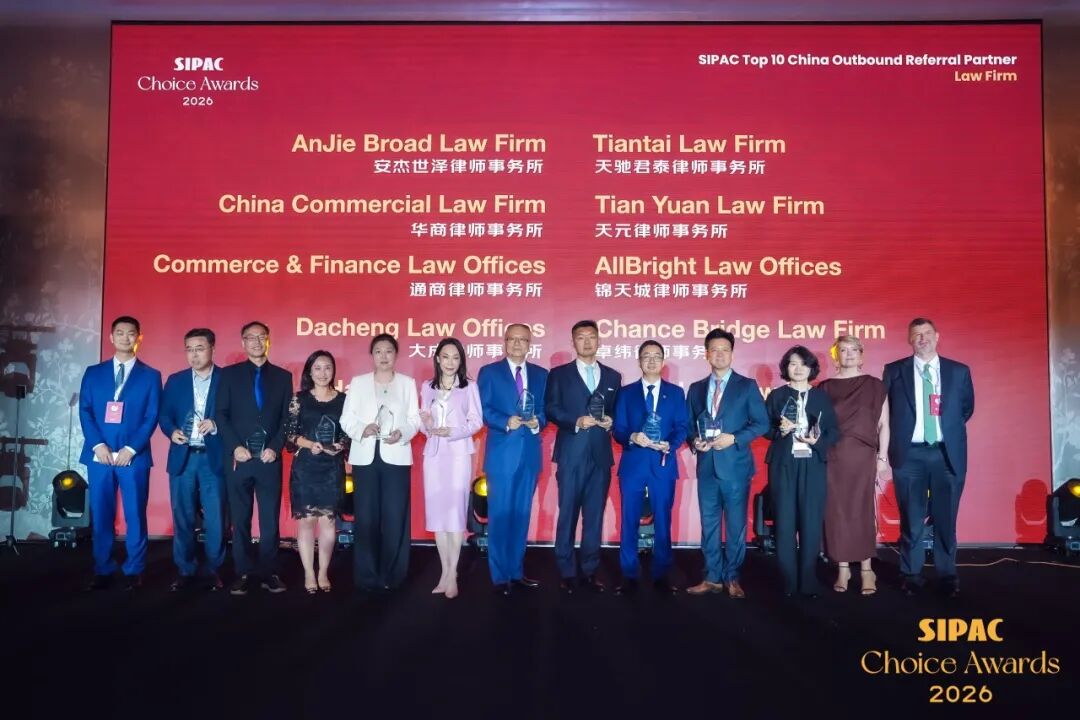
SIPAC Top 10 China Outbound Referral Partner – Law Firm
We have discovered that almost all of our SIPAC members around the world have contacts with one or more individual partners in most of the top Chinese law firms, so at SIPAC we want to extend these relationships to include more partners throughout each of these leading Chinese law firms so we can develop cooperation with more clients of more partners in more firms, so that SIPAC can become the preferred global resource for all top cross-border lawyers in China.
At the SILF 2026 closing dinner, we were pleased to be able to recognize the Chinese law firms which have had the most partners collectively make the most requests for referrals on the SIPAC platform, and we hope that we can continue to expand our cooperation with more of the partners in each of these firms in the coming years.
The top 3 recipients of this important award were Zhong Lun Law Firm, AllBright Law Offices and Chance Bridge Law Firm — the top 3 referral partner firms on the SIPAC platform both in terms of the number of requests and the number of partners in the firm who have accessed the SIPAC platform. Rounding out the top 10 referral partner firms were:
| No. | Firm |
|---|---|
| 4 | Dacheng Law Offices |
| 5 | AnJie Broad Law Firm |
| 6 | Commerce & Finance Law Offices |
| 7 | Tian Yuan Law Firm |
| 8 | Haiwen & Partners |
| 9 | China Commercial Law Firm |
| 10 | Tiantai Law Firm |
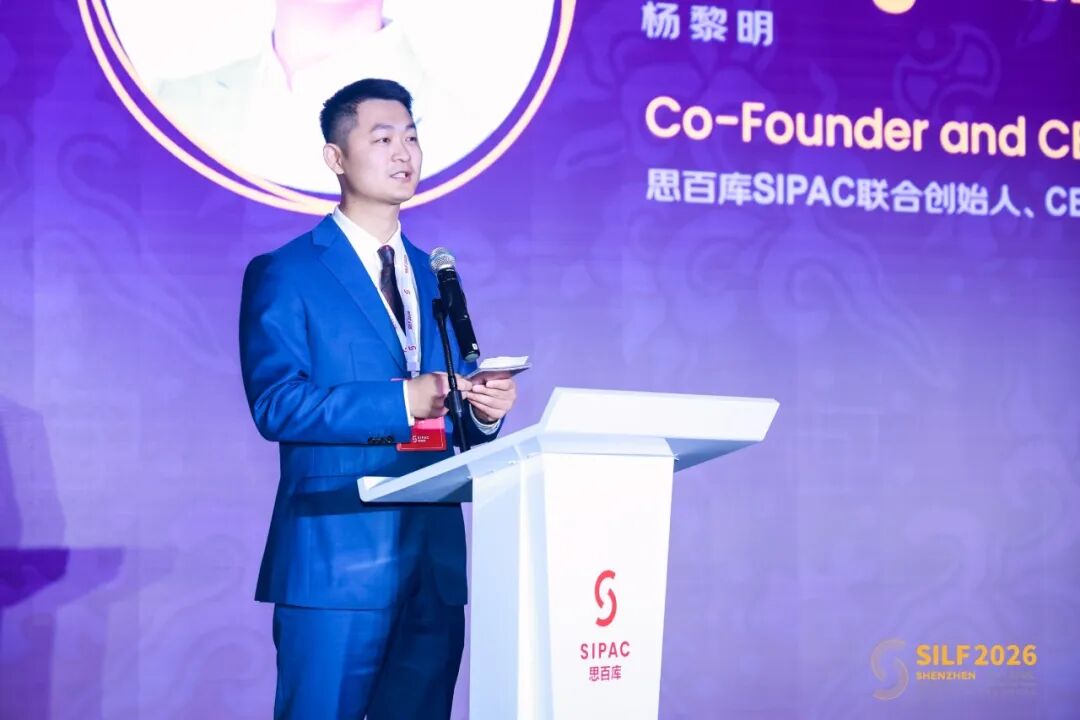
We invited SIPAC members Yelena Manayenko of AEQUITAS (Kazakhstan) and Luis Lujan of BASHAM (Mexico) to assist SIPAC CEO Liming YANG with the presentation of the awards.
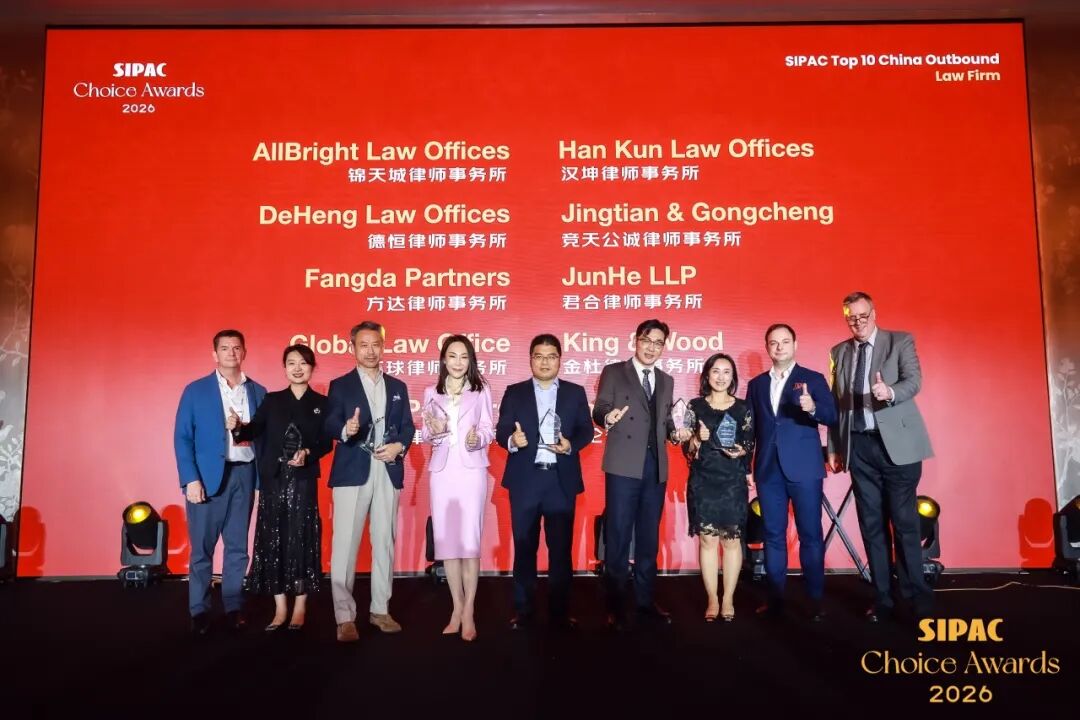
SIPAC Top 10 China Outbound Law Firm
At SIPAC, our goal is to work with all of the cross-border lawyers in all firms, big and small, all across China. At the same time, we wish to pay special attention to the biggest and best law firms in the China market with a view to developing closer institutionalized relationships with more partners in each of these firms. Accordingly, we have created a list of 30-40 top firms that we wish to pay particular attention to as we continue these conversations to identify win-win ways of working together for mutual benefit. In connection with compiling this list, we polled our SIPAC members to see which of these firms they had worked with, and a clear consensus emerged as to the top firms.
At the first-ever SIPAC Choice Awards, we were pleased to recognize the top 10 China outbound law firms based on these SIPAC survey results. The top 10 outbound firms included (in alphabetical order):
| No. | Firm |
|---|---|
| 1 | AllBright Law Offices |
| 2 | DeHeng Law Offices |
| 3 | Fangda Partners |
| 4 | Global Law Office |
| 5 | Haiwen & Partners |
| 6 | Han Kun Law Offices |
| 7 | Jingtian & Gongcheng |
| 8 | JunHe LLP |
| 9 | King & Wood |
| 10 | Zhong Lun Law Firm |
We invited SIPAC members Alan Adcock of Tilleke & Gibbins (Thailand) and Boris Lazarov of Penkov, Markov & Partners (Bulgaria) to assist Robert with the presentation of the awards.
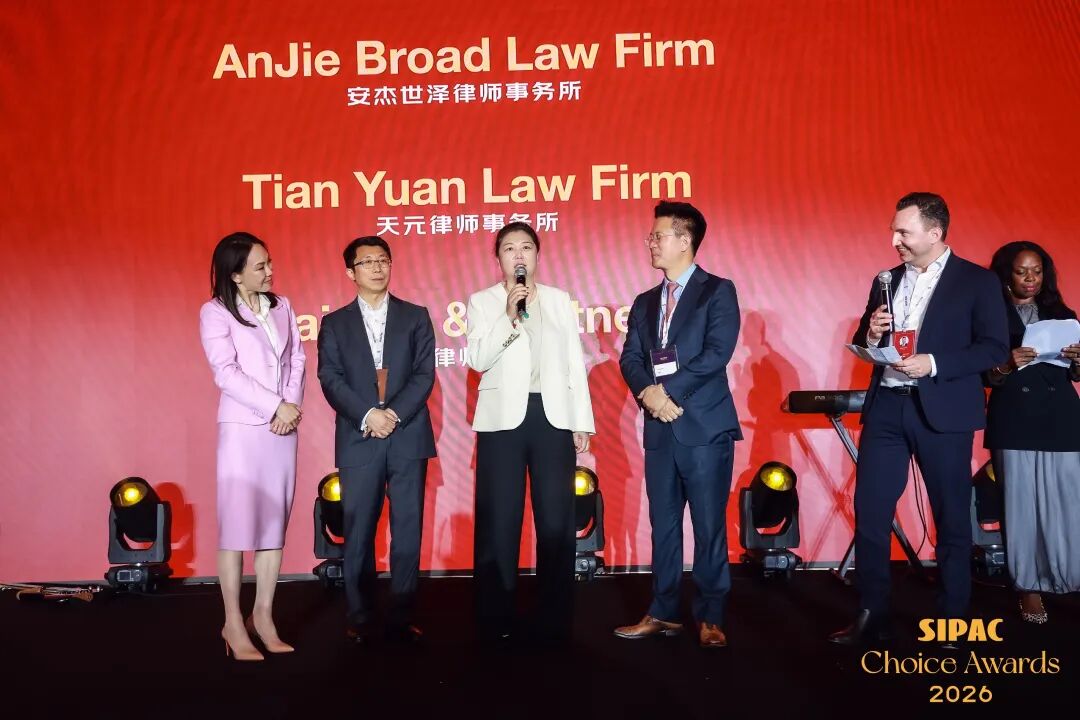
SIPAC Strategic Partner Law Firm
To conclude our SIPAC Choice Awards ceremonies for this year, we were especially pleased to announce that SIPAC has entered into strategic cooperation agreements with three top Chinese firms on our list of primary target firms.
As part of these strategic cooperation agreements, SIPAC will provide bespoke lead counsel training for the core group of cross-border lawyers in the firm, together with other complementary outbound legal practice know-how resources, as well as regular legal and market updates from our SIPAC members around the world. In addition, each of these strategic partner law firms will have priority for SIPAC cross-secondments, development of global panel solutions for their top clients, together with other additional resources.
The first three SIPAC Strategic Partner Law Firms were (in alphabetical order): AnJie Broad Law Firm, Haiwen & Partners and Tian Yuan Law Firm.
We invited SIPAC members NanaAma Botchway of N. Dowuona & Company (ALN Ghana) and Bodo Dehne of HEUKING (Germany) to assist Robert, Liming and Sara with the presentation of these prestigious awards.
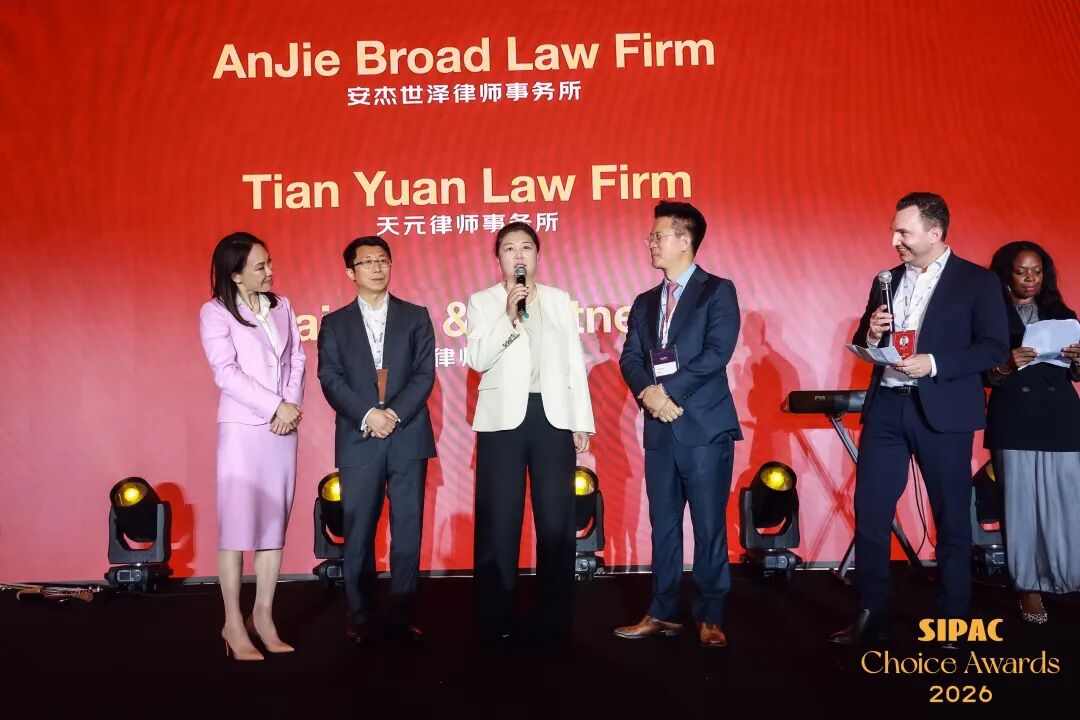

After the conclusion of the presentation of the SIPAC Choice Awards, the party continued in earnest – one of our long-time friends from a top Red Circle law firm described it as a SIPAC family reunion, and so it was!
Day 3 · VIP tour of Huawei
While many of our delegates raced to catch flights home immediately after the conclusion of the 2-day program, a select group of SIPAC delegates were able to join us for a VIP tour of Huawei. We had long thought that there may be some interest among our foreign members to have a cultural day to follow the main event, and Shenzhen culture is defined by Shenzhen business culture, and Huawei is the flagship of the Shenzhen tech community.
Huawei rolled out the red carpet for our SIPAC group. We were also pleased to have this activity co-hosted by our friends at Tian Yuan Law Firm, which has a long-standing working relationship with Huawei.
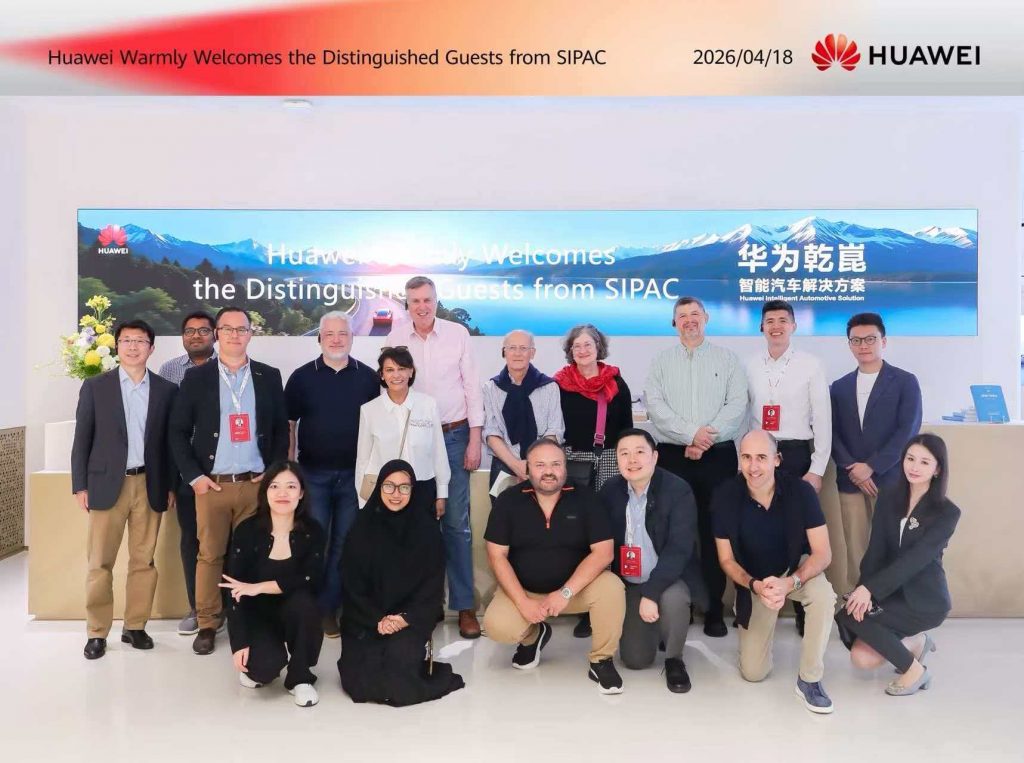
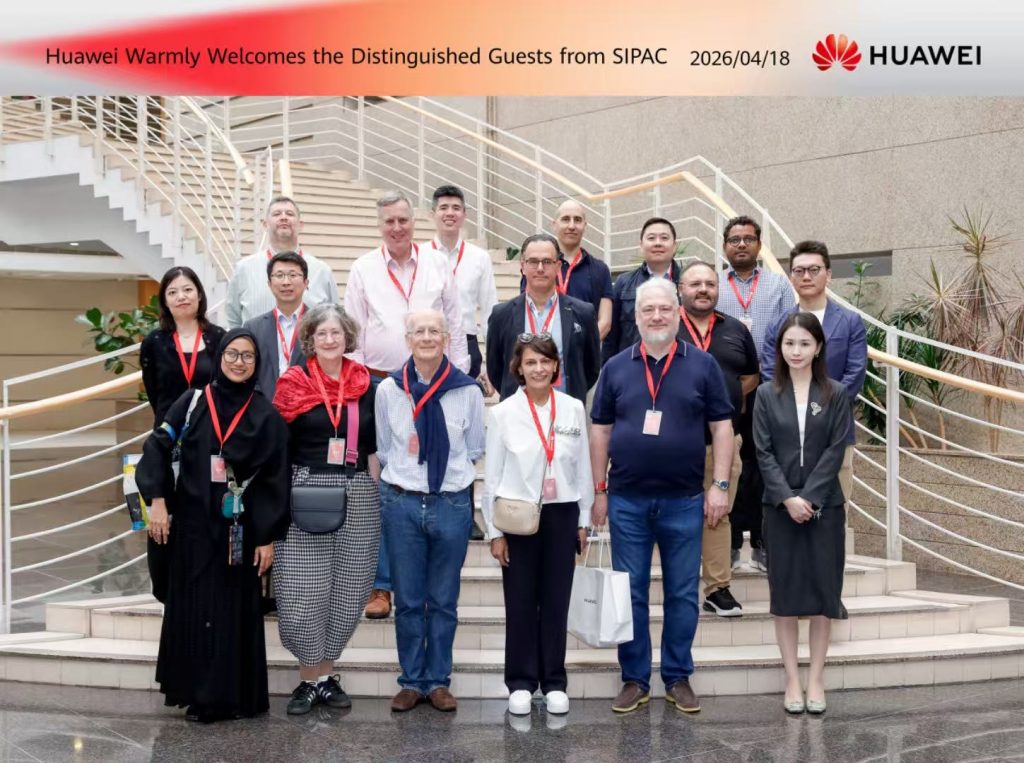
Our participating delegates were able to have a hands-on experience with Chinese EVs from different manufacturers which incorporate Huawei technology, including a driving experience in vehicles that utilize Huawei’s leading autonomous drive technology. (Huawei is careful to underscore that they partner with 20-plus OEMs and brands, and as such they do not have their own car brand.)
The most stunning Huawei-powered vehicle was clearly the Maextro S800, which is a direct challenger to Maybach, at a fraction of the price, with astonishing tech throughout. (For a short virtual test drive, see here.)
The delegates also had the opportunity to play with the new Huawei MateBook Fold Ultimate, which is a large foldable tablet and laptop all in one that blows away the competition. (For those of you who have not been so fortunate to get your hands on one, this YouTube review may whet your appetite.)
The SIPAC group was also given private tours of other exhibition halls where the underlying technology was explained in greater detail. Finally, we were able to do a walking tour of Huawei’s European-themed Dongguan campus, a huge, sprawling campus that houses much of the Huawei R&D facilities, and that was built in the remarkably short span of only three years. (For a virtual tour, see here.) A wonderful way to conclude SILF 2026!
Highlight videos
To capture the energy, exchanges and memorable moments of SILF 2026, we have also prepared two short highlight videos from the Day 1 closed-door sessions and the Day 2 open forum. These videos provide a glimpse of the people, conversations and shared commitment that made this year’s Forum so special.
- Day 1 highlights: closed-door sessions and networking reception
- Day 2 highlights: open forum and closing dinner
Conclusion
We are still basking in the glow of the new friendships made and old friendships renewed at SILF 2026. We missed many of our SIPAC members and friends whose plans to attend were disrupted by current conditions around the world, and there remains significant uncertainty with respect to geopolitical conditions going forward, so we do not know if or to what extent future plans for SIPAC roadshows and this “big tent” event may be impacted.
But one thing we can be certain of – the SIPAC Sino-global legal community will continue to survive and thrive for many years to come! We thank all of our members for your continuing support, and we look forward to welcoming more friends in more jurisdictions to join our SIPAC Sino-global legal community!
Sincerely,
The SIPAC Team
Robert Lewis, Chairman
Liming YANG, CEO
Sara Yu, Head of Global Content