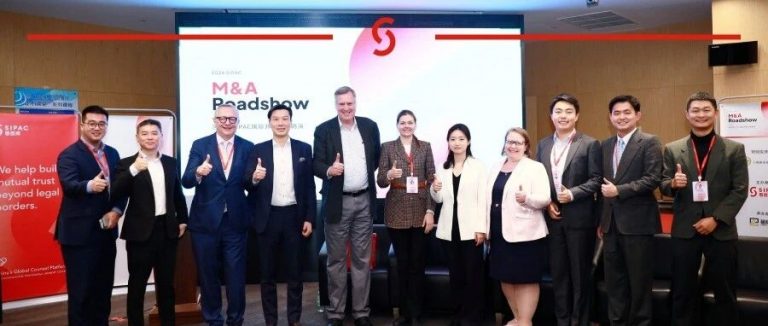
SIPAC Southeast Asia Roadshow Concludes in Beijing, Shanghai and Shenzhen
From December 1 to 5, 2025, a delegation of SIPAC’s Southeast Asian member firms spent a week on the road in Beijing, Shanghai and Shenzhen, bringing SIPAC’s 2025 series of regional roadshows in China to a successful close.
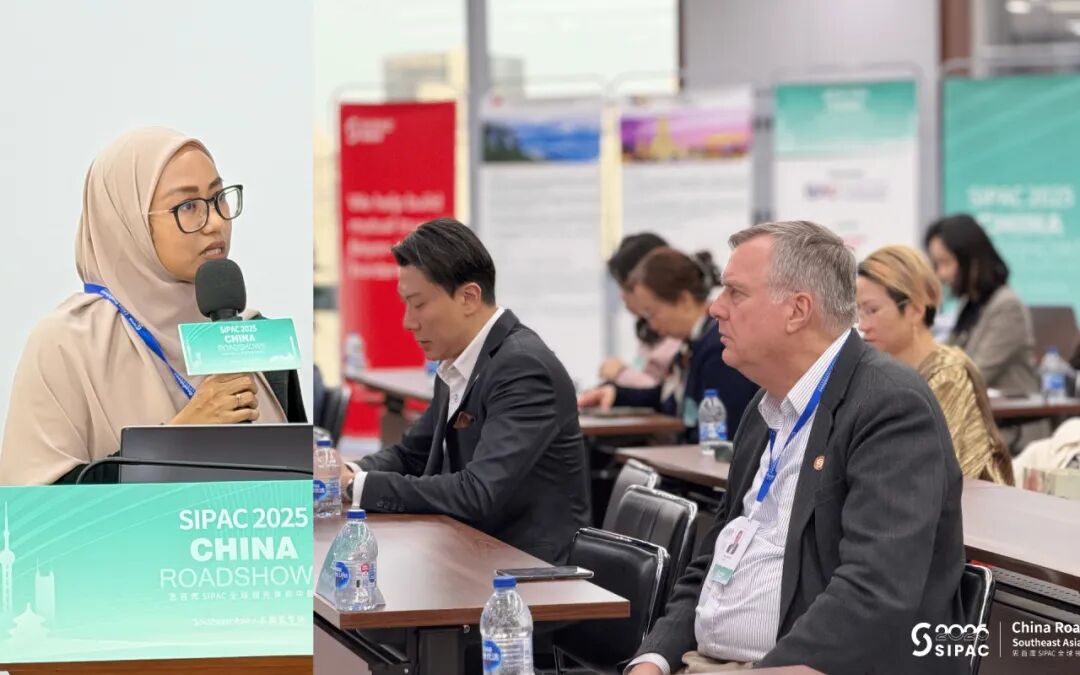
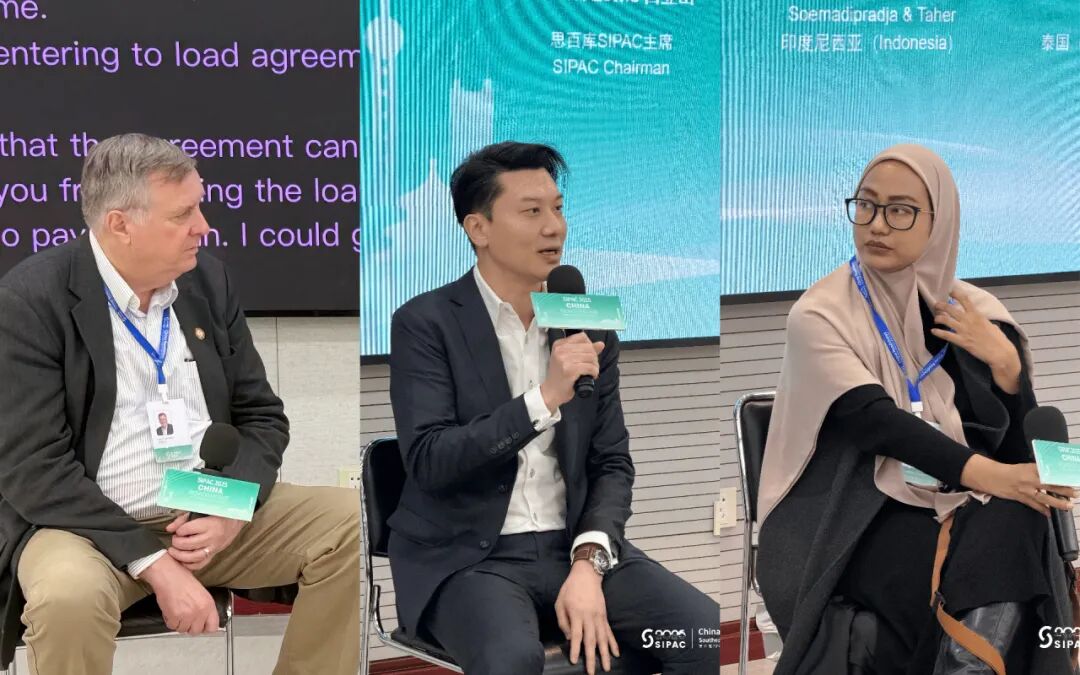
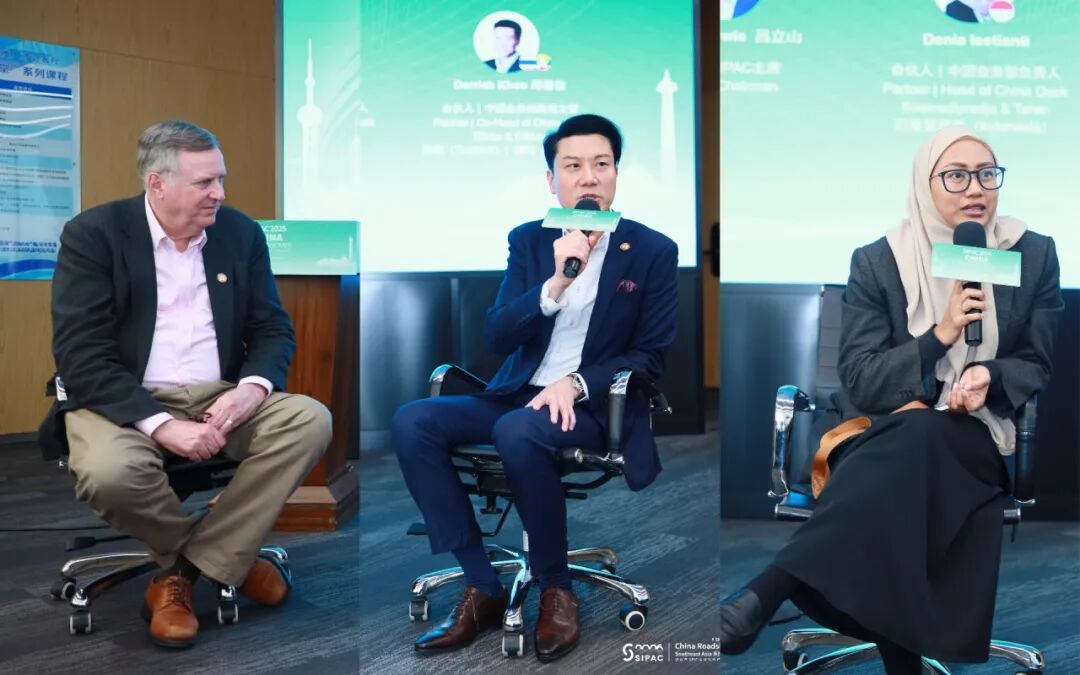
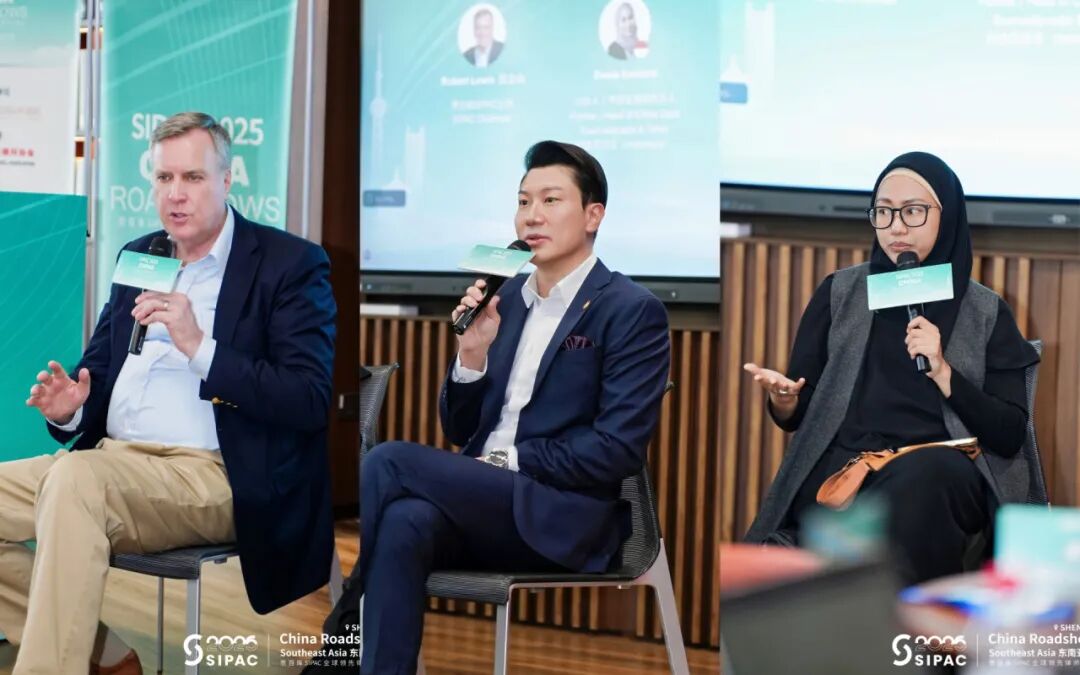
The delegation was made up of Derrick Khoo, Co-head of the China Practice Group at Tilleke & Gibbins, and Denia Isetianti, Head of the China Desk at Soemadipradja & Taher (Indonesia).
As the seventh event in SIPAC’s regional and thematic roadshow series, the Southeast Asia roadshow continued the practical focus of the year’s program. Earlier in 2025, SIPAC held five in-person roadshows — Middle East & Africa (April), CEE/SEE (May), Latin America (late July), Compliance (early September) and Western Europe (late September) — plus an online Eurasia series (mid-July), offering targeted legal insight and hands-on experience to guide Chinese companies going global and building an efficient bridge for cross-border legal services.
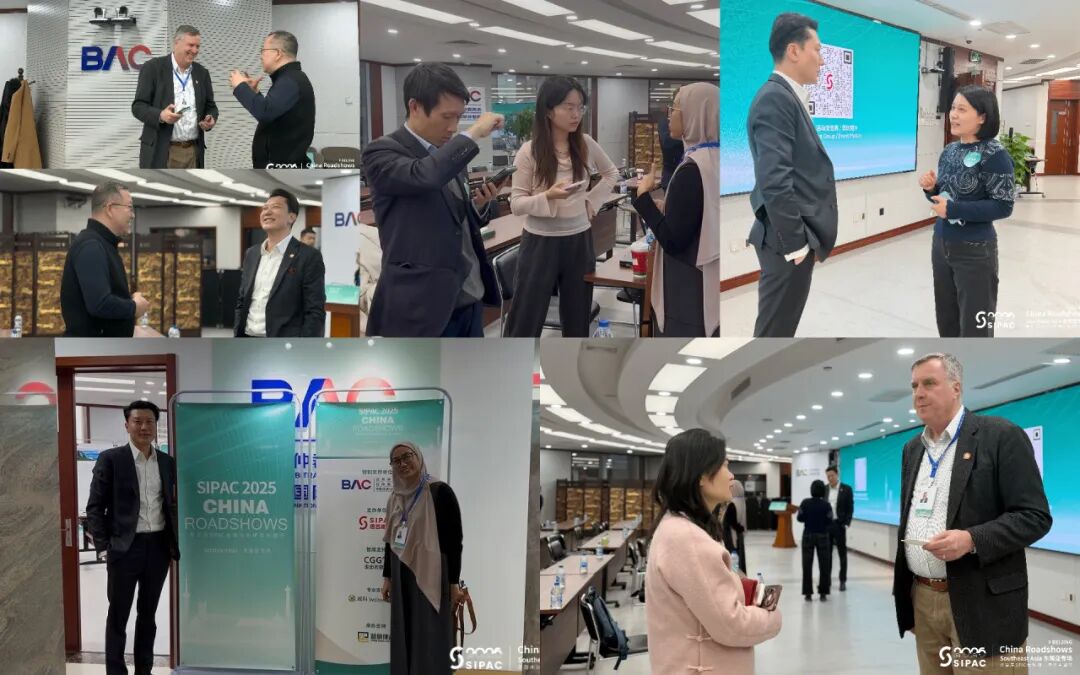
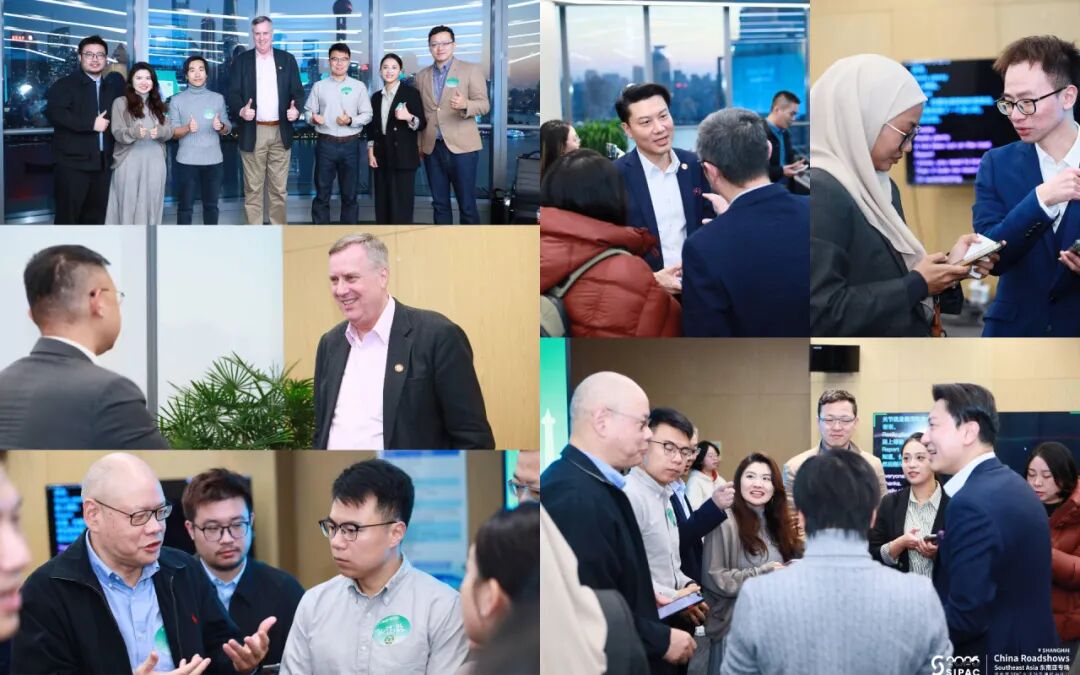
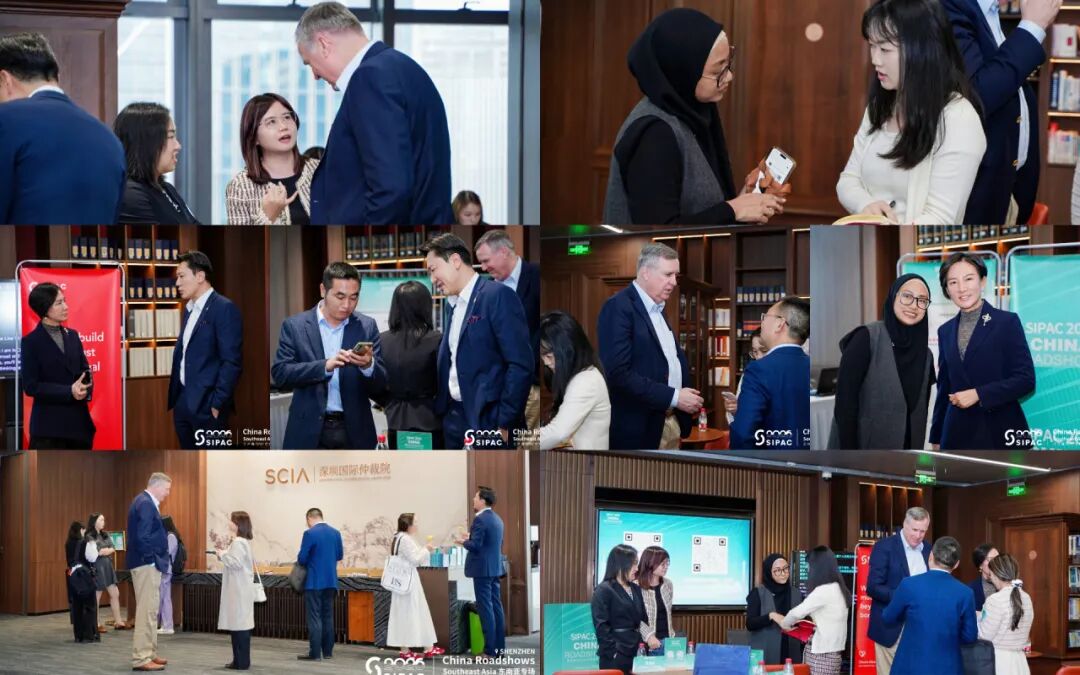
Southeast Asia roadshow sessions in Beijing, Shanghai and Shenzhen
Highlights from the three cities
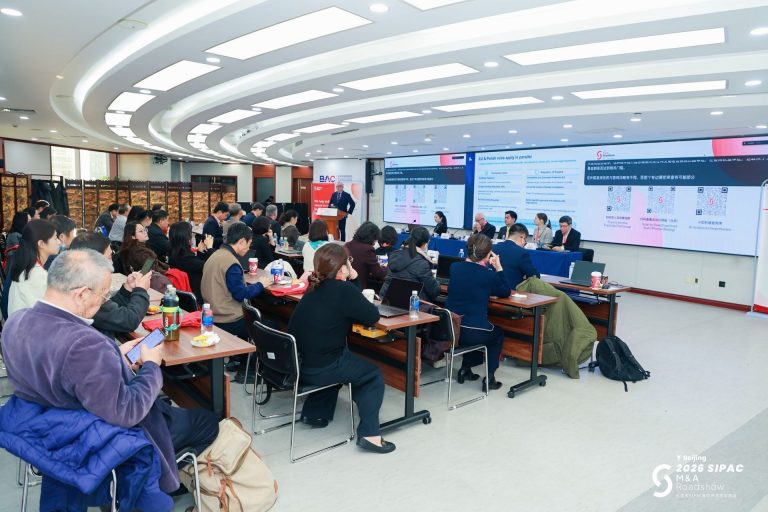
The open forums took place on December 1 (Beijing Arbitration Commission), December 3 (Shanghai Magnolia Plaza) and December 5 (Shenzhen Court of International Arbitration). Set against the 50th anniversary of China–Thailand diplomatic relations and Indonesia’s accession to BRICS, and built around the needs of Chinese companies expanding into Southeast Asia, the keynotes and Q&A sessions gave a structured overview of the investment environment, regulations and practical pain points in Thailand, Myanmar and Indonesia.
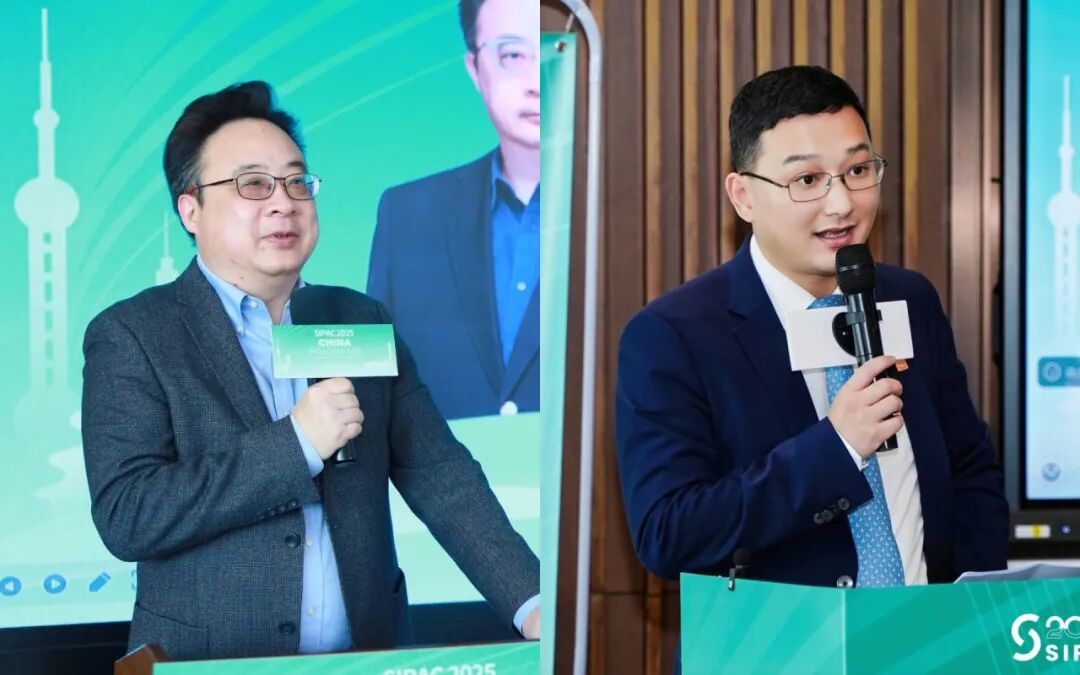
Derrick Khoo gave a comprehensive guide to investing in Thailand and Myanmar, while Denia Isetianti focused on Indonesia, explaining the opportunities for foreign direct investment and the key regulatory points. Highlights:
Thailand | Clear policies and varied incentives — structure and compliance are key
- Regulatory framework: Foreign investment is governed by the Foreign Business Act, which sets out three lists of restricted activities. List 1 covers activities closed to foreigners; List 2 covers activities that require special permission from the Minister of Commerce with cabinet approval; and List 3 activities are subject to a 49% cap on foreign shareholding (many foreign investments and business operations fall into this category). Activities not on any list are generally open to 100% foreign ownership.
- Common routes to 100% foreign ownership: For List 3 activities, these include partnering with genuine Thai shareholders under a protective shareholders’ agreement that secures control; applying for Board of Investment (BOI) promotion; applying for incentives from the Eastern Economic Corridor (EEC) or the Industrial Estate Authority of Thailand (IEAT); and applying to the Ministry of Commerce (MOC) for a Foreign Business License (FBL).
- Promoted industries: For 2023–2028, the BOI is encouraging foreign investment in bio-circular-green industries, advanced manufacturing, basic and supporting industries, and digital, creative and high-value services.
- Key incentives: BOI-promoted companies benefit from land ownership by foreign investors, work permits for foreign staff without the usual four-Thai-to-one-foreigner ratio, corporate income tax exemptions of up to 13 years, and import duty exemptions on machinery.
- Watch-outs: Manufacturing outside the three lists can be 100% foreign-owned, provided all revenue comes from manufacturing. Thai law prohibits nominee shareholding, which carries criminal risk and often leads to shareholder disputes. Finding an ideal Thai shareholder with the right expertise is not easy, so many foreign investors use carefully designed structures to control and run the company effectively as minority shareholders. Register trademarks early to guard against squatting (Tilleke & Gibbins has helped brands such as Luckin Coffee and MINISO enforce their rights in Thailand).
Myanmar | Potential and risk side by side — opportunities as the situation stabilizes
- Key strengths: A strategic location linking southwest China with Indian Ocean shipping routes, zero-tariff access to the EU, and a priority on attracting clean energy investment such as solar and wind.
- Regulation: Four sector lists apply; some sectors require 20% Myanmar shareholding, but foreign investors can still hold control.
- Incentives: Holders of a Myanmar Investment Commission (MIC) permit can enjoy corporate income tax exemptions of three to seven years, tax relief on reinvested profits, customs and domestic tax exemptions for certain periods, and long-term leases of land or buildings by foreign investors.
- Watch-outs: Myanmar is not under countrywide sanctions, but partners must be chosen carefully to avoid links with sanctioned entities. Outbound remittances need approval and take time, so plan ahead. With the political situation expected to stabilize after the elections, energy and infrastructure are worth watching.
Indonesia | An open market with steady growth — compliance and collaboration drive success
- Market highlights and policy trends: A young, highly connected population of 280 million. As one of ASEAN’s largest markets, Indonesia has sustained GDP growth of around 5%. After the 2024 presidential election it entered a period of policy adjustment, prioritizing waste-to-energy and new energy projects, while the new capital city project continues. China has been Indonesia’s largest source of investment for several years, especially in mining, infrastructure and the digital economy.
- Market entry: Companies can choose a representative office (which cannot earn revenue) or a foreign-owned company (PMA). More than 95% of sectors are open to 100% foreign ownership, with only a few — such as traditional medicine and firearms — restricted. A PMA must commit to a minimum investment of IDR 10 billion (about RMB 4.4 million), 25% of which must be paid in cash on incorporation.
- Compliance and collaboration: Nominee shareholding is prohibited by law; control can instead be secured through joint venture agreements and non-voting share structures. Directors have broad powers, which should be limited in the articles of association or through shareholder approval requirements. Sectors such as distribution and construction have business scope restrictions that call for compliant cooperation with local partners. The Investment Coordinating Board (BKPM) website lists government-promoted projects, and many regions also have local investment centers.
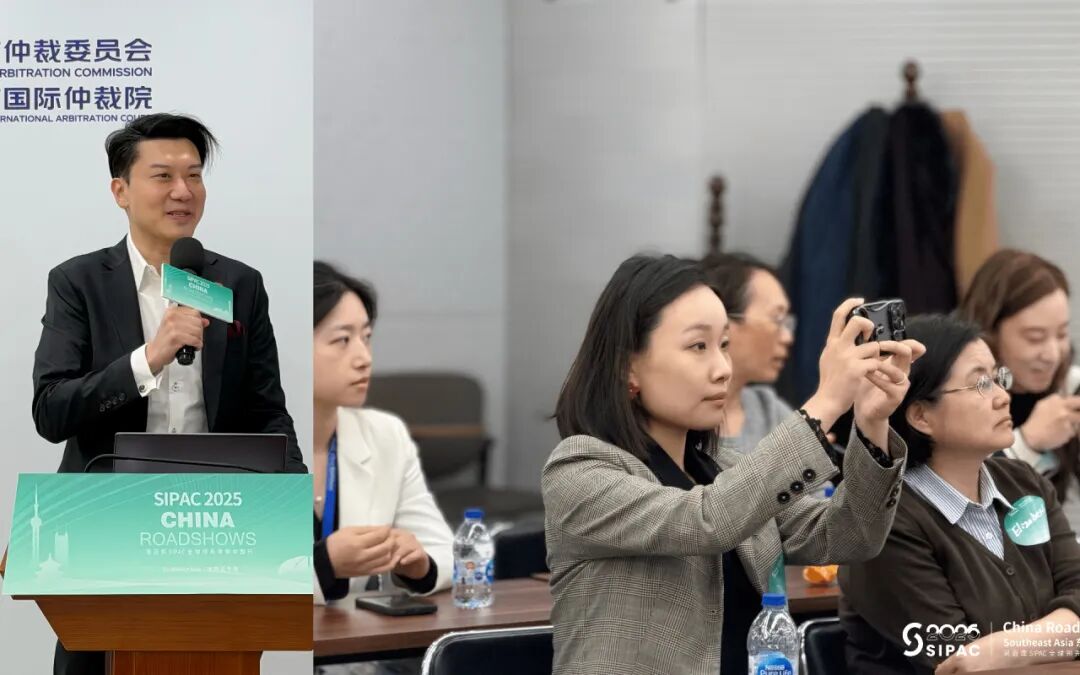
SIPAC launches its China Lead Counsel Training Program
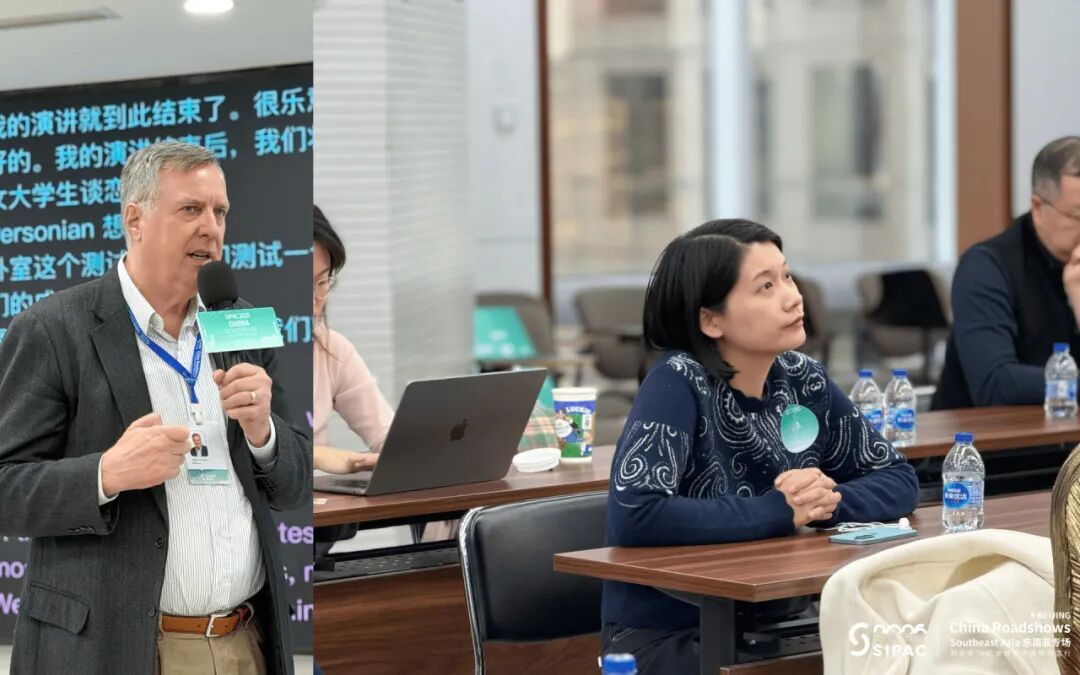
Besides the country briefings, SIPAC Chairman Robert Lewis spoke on “The lead role of Chinese lawyers in cross-border projects”. Chinese companies going global commonly complain of high legal fees, slow responses and poor communication, he noted, while foreign firms struggle with low RFP success rates and inefficient collaboration caused by cultural differences.
To address this, SIPAC has launched a new China Lead Counsel Training Program for international projects, designed to strengthen Chinese lawyers’ ability to lead cross-border matters and narrow the gap between Chinese and international practice. The course draws on Robert’s more than 30 years of cross-border legal experience, together with highlights of his interviews with senior partners of SIPAC global member firms, partner firms and top Chinese firms — combining a Chinese perspective with global practice for strong practical value. Through three in-person modules and ongoing exchange, the program aims to build a community of “international-standard” Chinese lawyers and foster trust and efficient collaboration between Chinese and foreign firms.
Q&A highlights
Every session included a lively Q&A. Speakers and the audience discussed nominee shareholding risks in Southeast Asia and practical solutions, investment strategies for jurisdictions with high uncertainty such as Myanmar, how to handle disputes between companies and governments, and the main challenges in China–international law firm cooperation and how to make it more efficient.
Roundtable meetings in the three cities
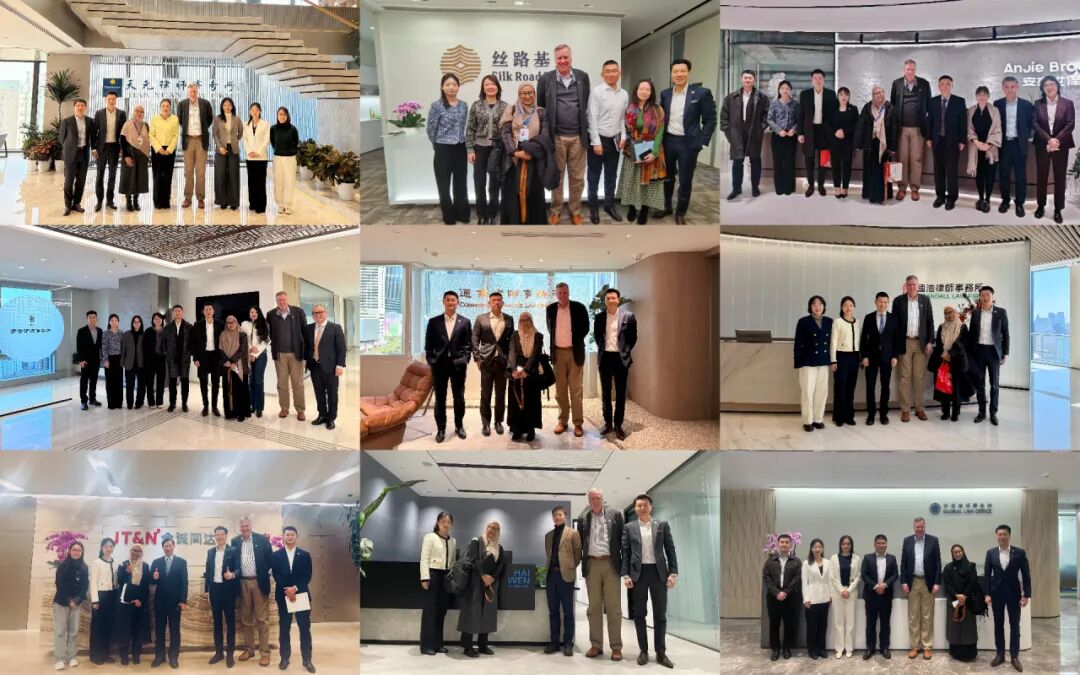
Law firm visits and in-depth exchange
During the roadshow, the delegation visited leading Chinese law firms including Tian Yuan, AnJie Broad, JunHe, Commerce & Finance, Grandall, JT&N, Haiwen and Global Law Office, as well as the Silk Road Fund. Discussions covered the regulatory environment and investment trends in Southeast Asia’s main jurisdictions, and the practical role of independent local firms in M&A, compliance, employment, land and government approvals. Several firms observed that Chinese clients are rebalancing how they choose counsel: international firms are no longer the default, and local firms with international experience, familiarity with Chinese clients, competitive fee structures and reliable execution are attracting more attention.
All sides agreed that Chinese clients now look for integrated solutions that balance legal advice with commercial judgment, efficient execution and cost control — and that differing expectations on RFP processes, engagement terms and service delivery have become a common pain point in cross-border projects. Clear expectation management, close collaboration and a trusted platform for recommending local firms will be needed to make cross-border projects more efficient.
Special thanks
The Southeast Asia roadshow would not have been possible without the strong support of our long-standing partners. Special thanks to the Beijing Arbitration Commission / Beijing International Arbitration Center (BAC/BIAC), the Shenzhen Court of International Arbitration (SCIA), the Shanghai Corporate Counsel Association and the Shenzhen Corporate Counsel Association for their support and guidance; to China Going Global Think Tank (CGGT) for think-tank support; to Wolters Kluwer for professional support; and to Lanqi Legal for organizing support.
Looking ahead
In mid-April 2026, SIPAC will hold its third Sino-International Law Forum (SILF 2026) in Shenzhen, bringing together leading lawyers from around the world on the most important topics in cross-border legal services.