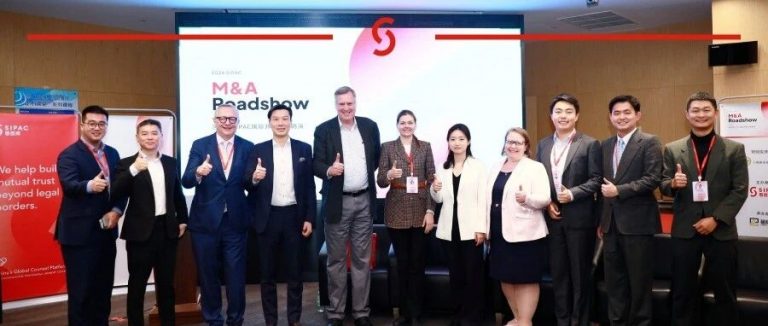
SIPAC Western Europe Roadshow Concludes in Beijing, Shanghai and Shenzhen

From September 22 to 26, 2025, a delegation of SIPAC’s Western European member firms — from Germany, Switzerland, the Netherlands and Finland — spent a week in Beijing, Shanghai and Shenzhen, bringing first-hand market insight and practical experience to Chinese lawyers and in-house counsel.
This was the sixth event in SIPAC’s regional and thematic roadshow series, following in-person roadshows for the Middle East & Africa (April), CEE/SEE (May), Latin America (last week of July) and Compliance (first week of September), and an online Eurasia series (second week of July).
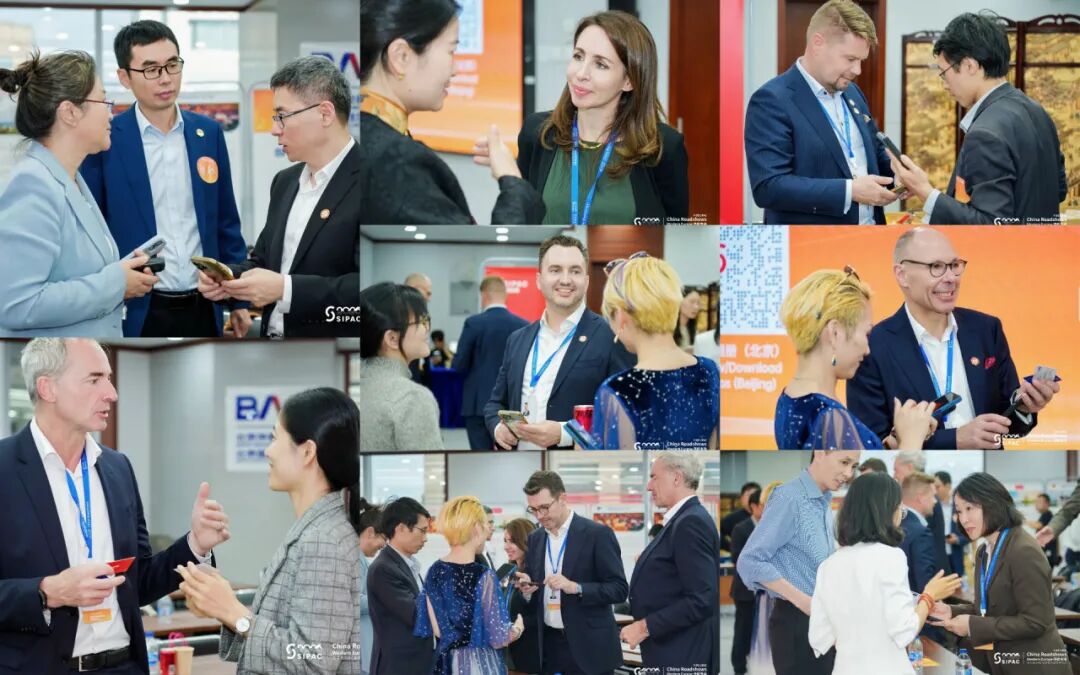
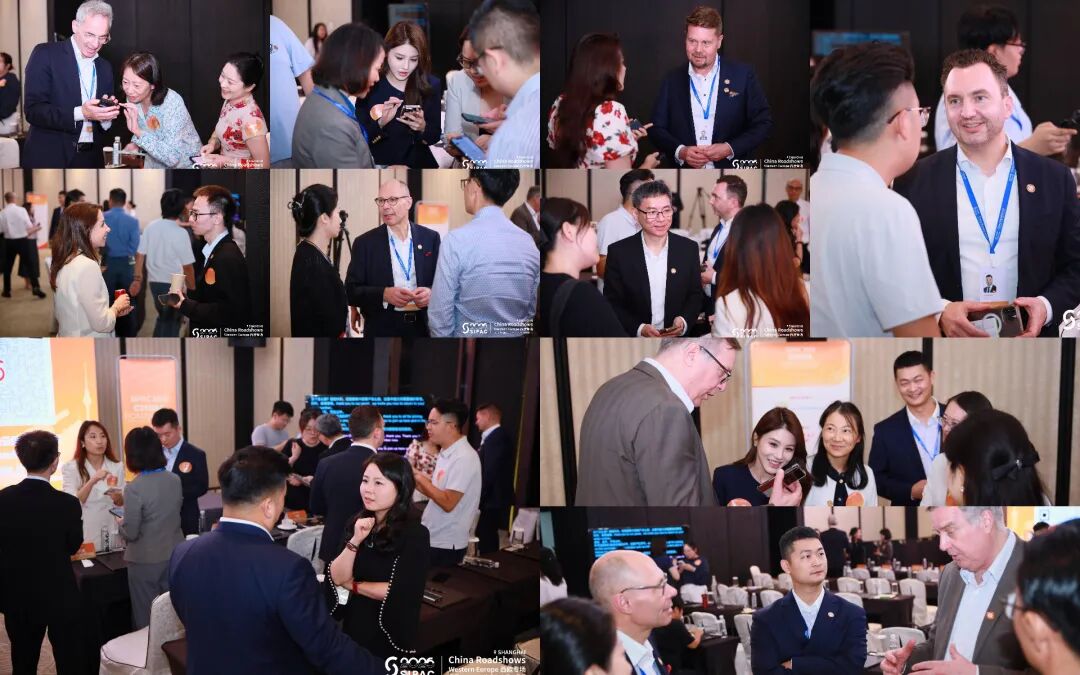

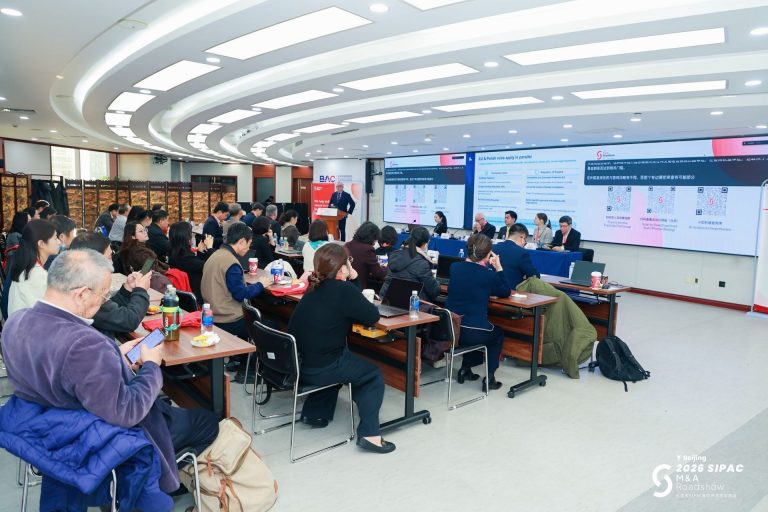
Western Europe roadshow sessions in Beijing, Shanghai and Shenzhen
Highlights from the three forums
The open forums were held on the afternoons of September 22 (Beijing), September 24 (Shanghai) and September 26 (Shenzhen). Each featured three panels, on foreign investment screening and compliance, international arbitration, and opportunities for Chinese technology companies in Europe.

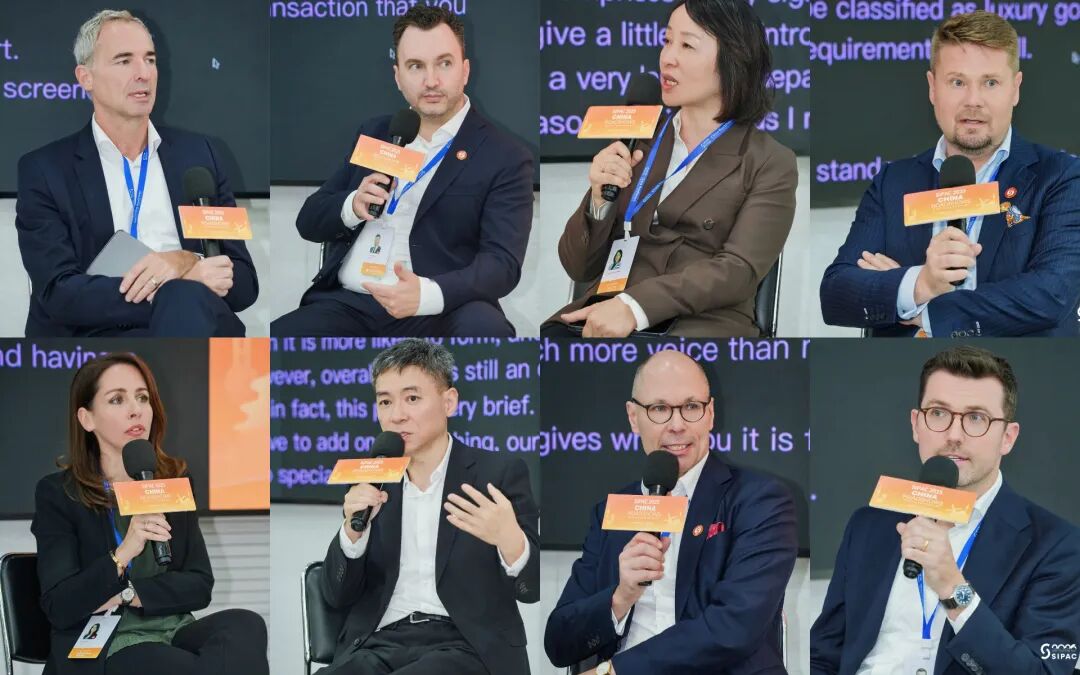
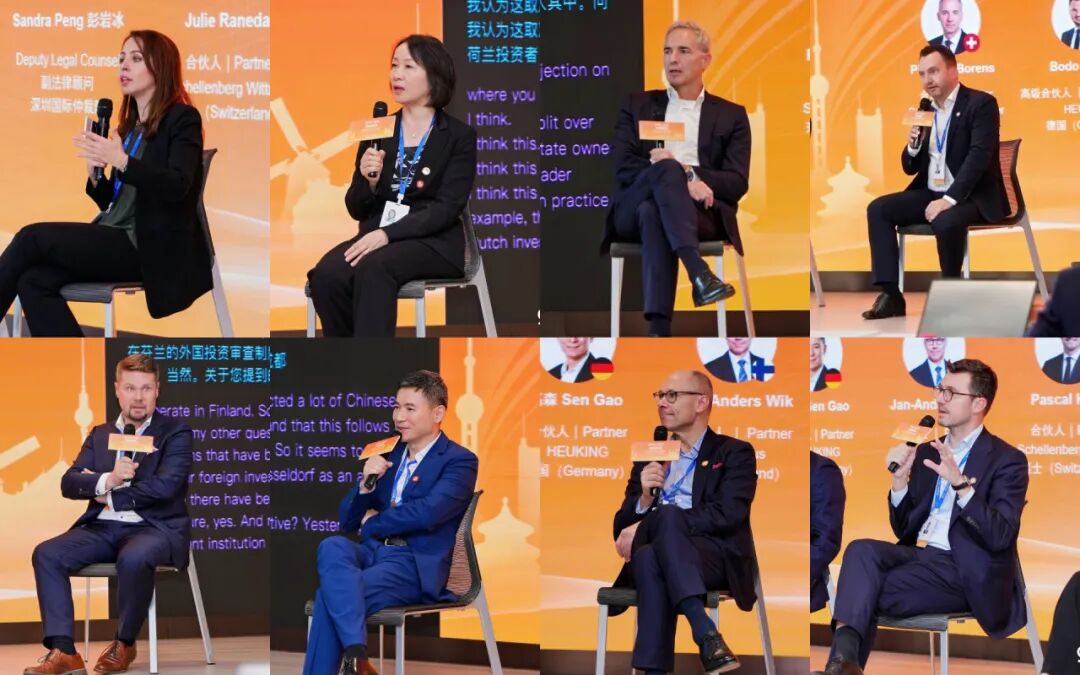
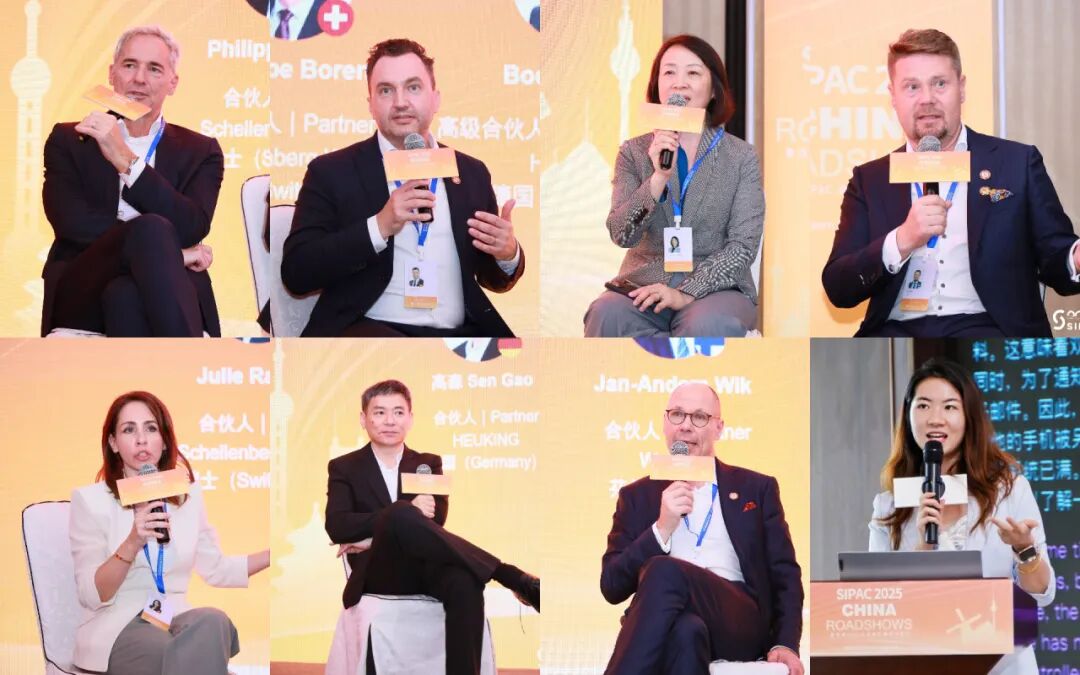
Panel 1 | Regulation and compliance in Western Europe
Switzerland
Philippe Borens (Schellenberg Wittmer) noted that Switzerland has no formal foreign investment screening regime yet, but is legislating an Investment Control Act that may introduce review procedures for sensitive sectors such as energy and infrastructure. Even so, he stressed, Switzerland remains one of Europe’s most open markets and is still uniquely attractive to Chinese investors.
Germany
Bodo Dehne (HEUKING) explained Germany’s approach in the context of EU-level screening reform. Germany has become increasingly strict in reviewing acquisitions by Chinese companies, particularly in high technology, critical infrastructure and energy. Chinese companies planning to invest in Germany, he advised, should engage with the screening authority early, rather than risk having a deal stopped at a late stage.
Netherlands
Yongmei Cai (BUREN) introduced the Netherlands’ new rules on foreign investment. The Dutch government applies stricter filing and disclosure obligations in strategic sectors such as new energy, telecommunications and semiconductors, so Chinese companies should factor in the compliance burden and possible approval timelines from the very start of structuring an investment.
Finland
Olli Kiuru (Waselius) explained the scope, procedures and penalties of Finland’s screening regime. Many Chinese companies underestimate the consequences of failing to file, he warned: these can include fines, invalidation of the investment or even forced divestment. Pointing to the latest EU anti-money-laundering (AML) trends, he also urged Chinese companies to strengthen customer due diligence and source-of-funds compliance in cross-border fund flows to avoid compliance investigations.
Panel 2 | International arbitration
The impact of cultural differences
Using several cases, Julie Raneda (Schellenberg Wittmer) showed how cultural differences play out in international arbitration: common law systems favor cross-examination of witnesses and broad document disclosure, while civil law systems are leaner. These differences often create mismatched expectations between the parties and lead to procedural friction. She advised Chinese companies to understand the tribunal’s expectations before entering an arbitration and to stay culturally sensitive in their communication and evidence strategy.
Settlement facilitation in Swiss arbitration
Julie also introduced settlement facilitation in Swiss arbitration. With the parties’ consent, the tribunal can set aside time for settlement, make settlement proposals, give preliminary views or even bring in an outside mediator to help resolve the dispute more efficiently. The mechanism stands out in international practice for cutting costs and preserving business relationships, giving Chinese companies a more flexible option for cross-border disputes.
The challenge of data protection
Yongmei Cai (BUREN) discussed where international arbitration meets data protection. Arbitration inevitably involves cross-border data transfers and disclosure of evidence, which can conflict with regimes such as the EU General Data Protection Regulation (GDPR). She recommended that companies set a data compliance strategy at the start of a case and, where needed, use procedural arrangements under the arbitration rules — such as standard data protection clauses signed by arbitrators — to reduce compliance risk.
Panel 3 | Chinese technology companies in Europe
Germany
Drawing on many years of practice in Germany, Sen Gao (HEUKING) examined the governance issues that commonly arise between Chinese parent companies and their German subsidiaries: how the parent should appoint and supervise the managing director, how to avoid “false self-employment” risk in contracts, and how to exercise effective control over the subsidiary within a compliant framework. Too much intervention can trigger directors’ liability and employment law risks, he warned, while a completely hands-off approach can unbalance governance.
Finland
Jan-Anders Wik (Waselius) outlined Finland’s major opportunities in new energy, batteries and digital transformation. Finland is the only EU country with key battery minerals (cobalt, nickel and lithium), a well-developed industrial base, strong prospects in new energy and the circular economy, and a corporate tax rate of just 20%. It has already attracted Chinese investment in a joint-venture cathode materials plant and is becoming an important node in Europe’s future battery supply chain.
Switzerland
Pascal Hubli (Schellenberg Wittmer) described the diverse presence Chinese technology companies have already built in Switzerland — from Huawei’s R&D center to showrooms of new energy vehicle makers and a planned robotaxi project — and the fast-growing innovation partnerships between Swiss and Chinese universities and research institutes. Switzerland offers investors political stability, a world-leading innovation ecosystem and favorable taxation, but challenges include public trust, cultural differences and the forthcoming Investment Control Act.
Netherlands
Yongmei Cai (BUREN) pointed to the rapid growth in battery patents worldwide, where Chinese companies hold a strong lead in new energy, and the large potential for cross-border R&D cooperation with the Netherlands. Cross-border R&D agreements, she stressed, must clearly define and allocate each category of intellectual property — background IP, IP created in the collaboration, and results outside it — to avoid later disputes.
Law firm visits and in-depth exchange
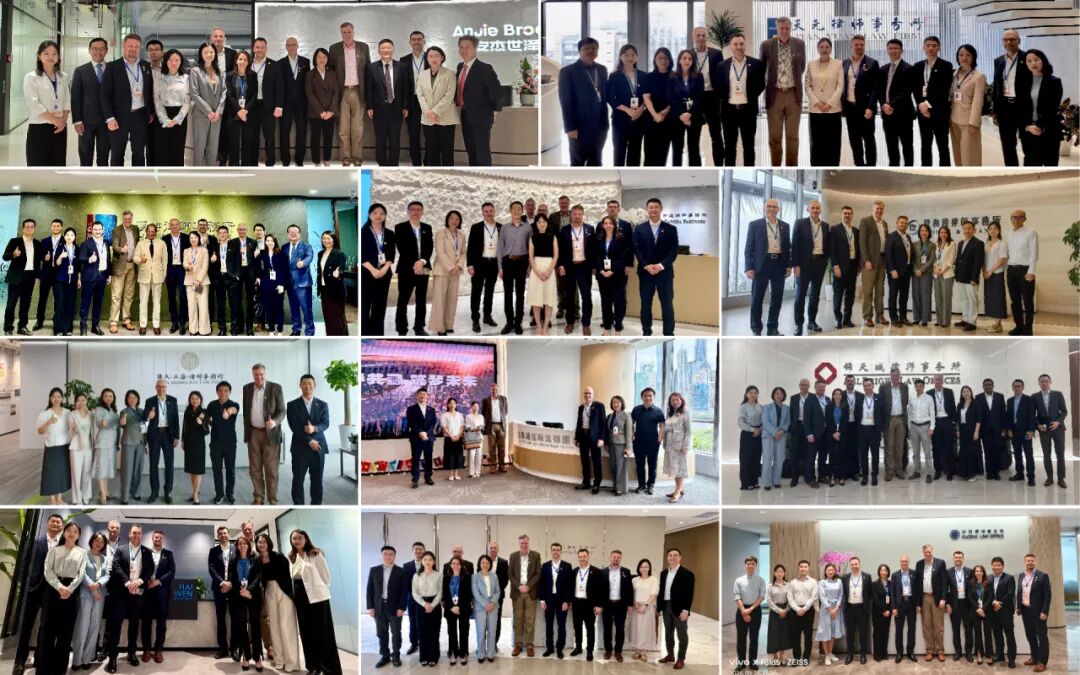
During the roadshow, the delegation also visited leading Chinese firms including AnJie Broad, Tian Yuan, Han Kun, Fangda, Duan & Duan, AllBright, Haiwen and Global Law Office. Discussions covered cross-border collaboration, fee models, government support, investment trends and practical pain points:
- Cooperation and trust: One Chinese partner said that finding foreign counsel used to depend on business cards exchanged at international conferences, which were easily lost or out of date. Today, through SIPAC’s global network of independent firms, posting a request in a WeChat group usually brings high-quality, trusted responses within minutes.
- Fees and communication: Many firms noted that Chinese clients in cross-border deals often ask for capped fees, short timelines and loosely defined scopes, which challenges foreign firms. Both sides discussed candidly how aligning scope early, phased fee structures and smoother communication can improve collaboration.
- Investment trends: Partners shared recent moves by Chinese companies in Western Europe — bringing warehousing capacity back to Western Europe, using quasi-JV structures in Germany and France to navigate foreign investment screening, and more investment driven by technology, data compliance and localization needs rather than tax efficiency alone.
- Complex matters: A Shenzhen lawyer described helping a client acquire a European group with subsidiaries in Germany, Poland and Spain. Running several jurisdictions in parallel and coordinating counsel in each is highly demanding — cases like this show the unique value of the SIPAC network in coordinating firms across countries and delivering an integrated solution.
Special thanks
The Western Europe roadshow would not have been possible without the strong support of our long-standing partners. Special thanks to the Beijing Arbitration Commission / Beijing International Arbitration Center (BAC/BIAC), the Shenzhen Court of International Arbitration (SCIA), the Shanghai Corporate Counsel Association and the Shenzhen Corporate Counsel Association for their support and guidance; to China Going Global Think Tank (CGGT) for think-tank support; to Wolters Kluwer for professional support; and to Lanqi Legal for organizing support.
Next up: SIPAC’s Southeast Asia roadshow in early December 2025.